
Flowers
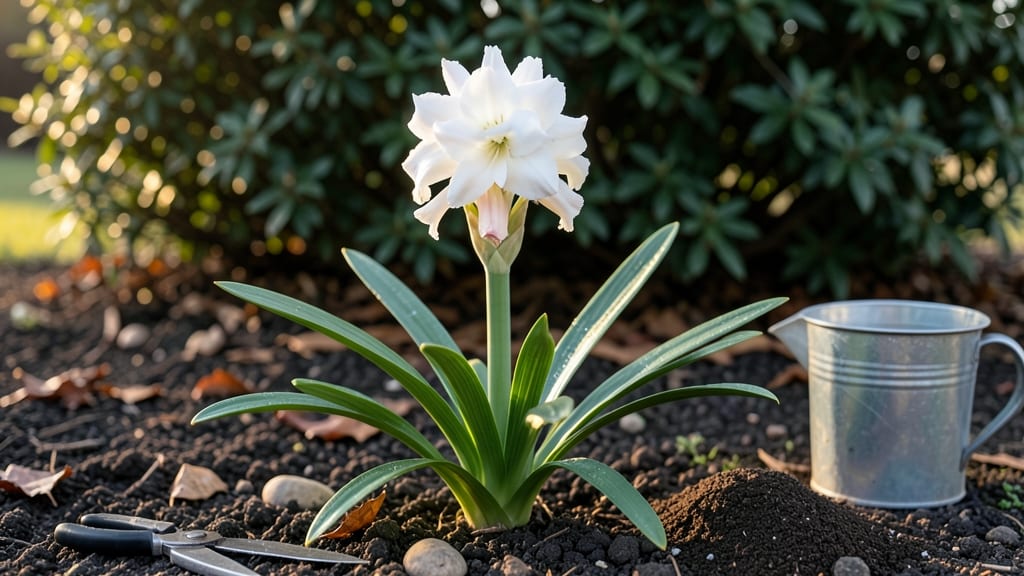
Tuberose flower arrangements bring a hauntingly sweet fragrance that lingers long after the blooms fade. 🌿 I fell in love with them after a wedding where their intoxicating scent filled the entire reception hall—guests kept coming back for seconds just to breathe it in.
The secret to their magic isn’t just the perfume; it’s how they transform any space into a romantic sanctuary with their creamy white petals and dramatic, spiky blooms.
The key to working with tuberoses lies in their bold personality—they demand to be the star. Pair them with delicate filler flowers like baby’s breath or dusty miller to soften their intensity, or contrast them with deep burgundy dahlias for a moody, dramatic look.
Their fragrance pairs beautifully with roses, gardenias, and jasmine, creating arrangements that feel like a sensory hug. For weddings or events, they’re a showstopper—just be prepared for guests to ask where the scent is coming from!
When arranging, let the tuberoses dominate the height—their vertical growth creates natural drama. Float a single bloom in a glass vase with water and a sprig of eucalyptus for an effortless, high-impact centerpiece.
For longer-lasting arrangements, harvest stems early in the morning and recut them under cool water to extend their vase life. The payoff? A fragrance so rich it turns heads and fills rooms with old-world elegance that modern florals can’t match.
Pro tip: If you’re arranging for an outdoor event, choose morning-harvested blooms—their scent peaks in the evening, making them perfect for sunset ceremonies. And for home décor, mix dried tuberose petals into potpourri or press them between heavy books for a fragrant keepsake.
Once you’ve worked with them, you’ll never want to arrange flowers without their unmistakable allure again.
📚 In This Guide
- What you need
- Instructions
- Tips and common mistakes
- Wrapping up and next steps
What you need
- ● Fresh tuberose flowers: 10–15 stems (choose fully bloomed or slightly budding for longevity).
- ● Floral preservative: 1 packet (or 1 tbsp of sugar + 1 tsp bleach for DIY solution).
- ● Floral foam (or chicken wire): 1 block (or enough wire to shape a base).
- ● Scissors or floral shears: 1 pair (clean, sharp blades for clean cuts).
- ● Water: 1–2 gallons (for hydrating stems and filling vases).
- ● Container: 1 vase, bowl, or pitcher (minimum 6-inch diameter for arrangements).
- ○ Filler flowers (optional but recommended): 5–10 stems of baby’s breath, gypsophila, or alstroemeria for volume.
- ● Greenery: 3–5 stems of eucalyptus, ferns, or ivy for texture and contrast.
- ● Ribbon or lace: For wrapping stems or adding a decorative touch.
- ● Dried flowers: A few sprigs of dried lavender or baby’s breath for a rustic look.
- ● Floral tape: To secure stems neatly in the foam.
- ● Spray adhesive (lightly): For attaching delicate elements like leaves or petals.
- ● Scented candles or diffusers: To amplify the tuberose’s natural fragrance in your space!
How to create stunning tuberose flower arrangements
These arrangements capture tuberose's signature intoxicating scent while showcasing their elegant, waxy blooms.
🌿 Step 1: Select and Prepare Your Tuberose Stems
Choose stems with fully opened buds and a few unopened ones still attached—they'll open gradually in your arrangement. Trim stems at a 45-degree angle about 2 inches from the base using sharp floral shears. This creates more surface area for water absorption, keeping your flowers fresh longer.
Strip the lower leaves that would sit below the waterline in your vase. Wet your fingers and gently slide them down the stem to remove leaves without damaging the delicate stems. You'll see the stems are surprisingly sturdy once you handle them properly.
✂️ Step 2: Create a Balanced Composition Framework
Start with 3-5 stems per arrangement since tuberoses are statement flowers. Place the largest stems first, spacing them evenly around the vase. I like to arrange them in an odd-numbered cluster—this creates natural visual interest. The unopened buds should face outward to reveal their beauty gradually.
For height variation, alternate stem lengths. Longer stems go toward the back while shorter ones create depth at the front. Step back occasionally to check your arrangement's balance—you want it to look full without being crowded. Tuberoses' vertical growth makes them perfect for tall, dramatic arrangements.
💧 Step 3: Secure the Arrangement and Add Support
Fill your vase with lukewarm water (cold water can shock the stems) and add 1 teaspoon of floral preservative to extend vase life. Insert stems tightly together but not packed—this prevents air pockets that would block water uptake. Use chicken wire or floral tape to secure stems if they're too loose in the vase.
Here's the thing—tuberoses are heavy when fully bloomed. Place your vase on a stable surface and consider adding a decorative base like pebbles or moss to hide the mechanism while providing extra support. The arrangement will look even more elegant when properly weighted.
☀️ Step 4: Enhance with Complementary Elements
Add greenery like eucalyptus or dusty miller to provide contrast and fill gaps. Their textures complement tuberoses' smooth petals beautifully. Place greenery strategically—tuck it behind stems to create depth rather than just adding it on top. A few small dried flowers mixed in can add subtle color accents.
Consider adding scented elements like a drop of vanilla extract or a cinnamon stick to the water. These subtle additions enhance tuberose's natural fragrance without overpowering it. The arrangement should smell incredible when you lean in close—this is the true magic of tuberoses.
⏰ Step 5: Maintain Freshness and Enjoy
Change the water every 2-3 days and trim stems by ½ inch each time. Keep arrangements away from direct sunlight and drafts—both can cause rapid wilting. You'll notice the buds opening most dramatically in the evening, releasing their strongest fragrance when the air is coolest.
For maximum enjoyment, place your arrangement in a well-ventilated area where you'll pass by frequently. The scent intensifies when the flowers are disturbed slightly by air movement. Display it where the fragrance can fill a room—tuberoses are best appreciated when their intoxicating aroma becomes part of the atmosphere.
Tips & tricks for perfect tuberose flower arrangements
Between us, these little tricks will transform your floral displays from charming to show-stopping. Tuberoses deserve special handling—their delicate beauty and intoxicating scent are worth the extra attention.
Stem Preparation Secret: The 45-degree angle cut isn't just about water absorption—it's about creating a larger surface area that actually breathes. Here's what nobody tells you: after cutting, immediately place stems in a bucket of lukewarm water for 10 minutes before arranging. This pre-hydration step prevents wilting and makes your arrangement last nearly twice as long. The stems will drink up water immediately, giving you that crucial head start.
Composition Technique: When arranging your 3-5 stems, think about the "rule of thirds" from photography. Place one dominant stem slightly off-center rather than perfectly centered—this creates visual interest that draws the eye. For height variation, I like to use stems that differ by at least 3 inches in length. This creates that magical layered effect where your eye moves through the arrangement like climbing a staircase of petals.
Fragrance Enhancement: The vanilla extract and cinnamon stick suggestions are brilliant, but here's the pro move: add a pinch of sugar to the water as well. This feeds the flowers' natural sugars and intensifies their scent. I've found that adding a drop of lemon juice (just a tiny splash) to the water mixture also helps preserve the vibrant color of the petals while enhancing their fragrance. The citrus acid acts like a natural preservative.
Support System: For those heavy blooms, here's my game-changer: instead of just pebbles or moss, use a combination of both. Place a layer of small pebbles at the bottom of your vase for stability, then cover with a thin layer of moss. The pebbles provide the weight-bearing foundation while the moss creates that organic, natural look that hides the mechanism beautifully. This two-layer approach prevents tipping while maintaining an elegant aesthetic.
Pro Tips for Tuberose Flower Arrangements
- Between us, these little tricks will transform your floral displays from charming to show-stopping.
- Stem Preparation Secret: The 45-degree angle cut isn't just about water absorption—it's about creating a larger surface area that actually breathes.
- Composition Technique: When arranging your 3-5 stems, think about the "rule of thirds" from photography.
Frequently asked questions
How do I care for tuberose flower arrangements to make them last longer?
Tuberoses thrive with fresh-cut care! Trim stems diagonally, change the water every 2 days, and place arrangements in a cool spot away from direct sunlight. Avoid placing them near fruits or ripening produce—their ethylene gas shortens bloom life. Pro tip: Add a drop of bleach or floral preservative to the water for extra longevity!
When is the best time to use tuberose in arrangements?
Tuberoses bloom best in warm weather (spring to fall), making them ideal for summer weddings, tropical-themed parties, or evening events. Their intoxicating scent peaks at night, so they’re perfect for candlelit dinners or garden soirées. For winter arrangements, pair them with citrus or pine for a fresh contrast!
Can I mix tuberose with other flowers, and if so, which ones?
Tuberoses pair beautifully with roses (for romance), orchids (for elegance), or succulents (for a modern twist). Avoid heavy blooms like gardenias—their scent may overpower tuberose’s delicate fragrance. Try this combo: Tuberose + lilies + eucalyptus for a lush, fragrant centerpiece!
Why are my tuberose stems wilting quickly, even with fresh water?
Wilting can stem from bacterial buildup, poor cutting, or ethylene gas. Re-cut stems under water, use clean vases, and remove leaves submerged in water. If the problem persists, your tuberoses may be past their prime—opt for fresh stems or shorter arrangements to reduce stress on the stems.
Are tuberose arrangements expensive compared to other flowers?
Tuberoses are moderately priced, often costing $2–$5 per stem depending on season and location. They’re pricier than roses but more affordable than orchids. Budget hack: Buy in bulk during off-seasons (late fall/winter) or mix them with filler flowers like alstroemeria to stretch your dollar!
Wrapping up and next steps
Tuberose flower arrangements bring a touch of elegance and intoxicating fragrance to any space, making them perfect for weddings, home décor, or thoughtful gifts. Whether you're crafting a simple bouquet or an intricate centerpiece, these velvety blooms add a luxurious, dreamy charm that’s hard to resist.
Now that you’re equipped with the right materials, techniques, and answers to common questions, it’s time to let your creativity bloom! 🌸
Ready to start? Gather your supplies, follow your instincts, and create a tuberose masterpiece that reflects your unique style. Happy arranging!