
Blooming
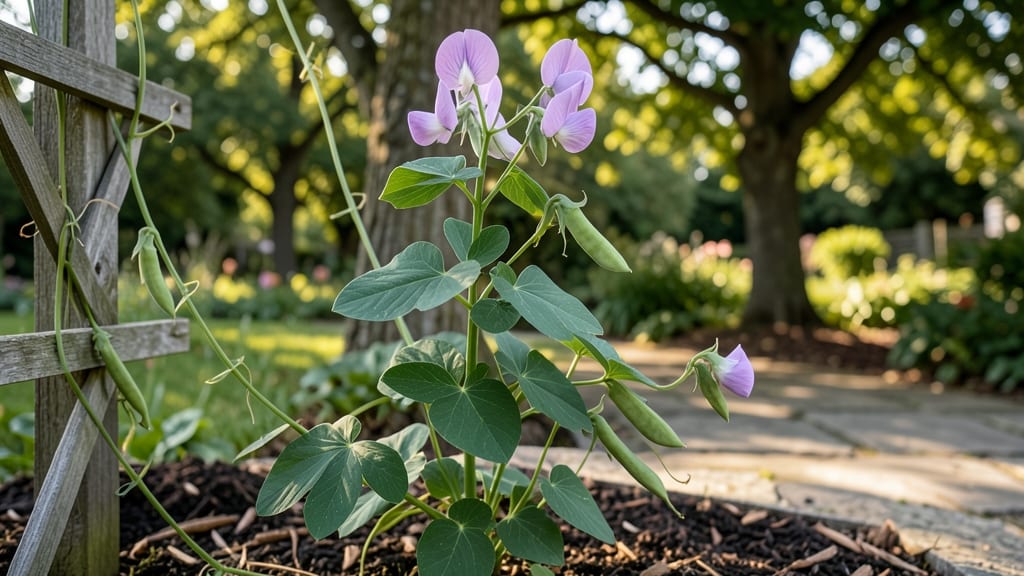
Sweet peas bloom in late spring to summer 🌸, but the exact timing depends on your USDA zone, planting window, and variety—get it wrong and you might miss their fragrant, colorful display entirely.
Picture this: you’ve spent weeks tending to your sweet peas, only to wake up one morning and realize they’ve barely budded while your neighbor’s trellis is already covered in blooms. That’s the frustration of ignoring how heat zones shift bloom windows by weeks—or even months.
In cooler climates like Zone 6a, sweet peas often kick off flowering in May or June, while warmer zones like 9 or 10 may see first blooms as early as March or April.
The difference? Temperature, day length, and even soil warmth play a bigger role than most gardeners realize.
Below, I’ll break down how to predict your sweet peas’ bloom time, adjust for your region, and use simple tricks to extend their season—so you’re not left waiting for flowers that never quite arrive.
Sweet pea bloom time by USDA heat zones: when to expect first flowers
Sweet peas (Lathyrus odoratus) are cool-season lovers, and their bloom timing shifts dramatically across USDA heat zones 3-10. In cooler zones (3-5), expect first flowers as early as late May to June, while warmer zones (8-10) may see blooms starting in February or March.
The key? Understanding how temperature and daylight hours influence their vegetative vs. flowering phases.
Most gardeners plant annual sweet peas in early spring, but perennial varieties (like Lathyrus latifolius) adapt differently. In Zone 5 or colder, perennials may bloom 2-3 weeks later than annuals due to slower spring warming.
Meanwhile, in Zone 9+, heat-sensitive varieties might bolt prematurely or struggle to rebloom without shade.
First flowers typically appear 8-12 weeks after sowing, but this varies by cultivar and climate. Early varieties like 'Early Purple' bloom in 60-70 days, while late-blooming 'Cupani' takes 90+ days. Cooler climates (Zones 3-6) often see longer bloom seasons because heat stress is minimal.
| USDA Zone | First Bloom Window | Peak Bloom | Notes |
|---|---|---|---|
| 3-4 | Late June - Early July | July - August | Short season; plant early varieties like 'Blackbird'. |
| 5-6 | Mid-May - June | June - September | Best for perennials; extend season with fall sowing. |
| 7-8 | February - March | March - May | Early bloomers like 'Spencer' thrive; avoid summer heat. |
| 9-10 | January - February | February - April | Heat-sensitive; use shade cloth and dwarf varieties. |
In Zones 3-4, sweet peas often bloom later but longer due to cooler temperatures slowing growth. I’ve seen 'Blue Moon' in Zone 4 produce flowers from July through September with minimal deadheading.
Meanwhile, in Zone 9, I’ve had 'Crimson Rambler' bolt by late April unless I provided afternoon shade.
Daylength matters too. Sweet peas are long-day plants, meaning they need 14+ hours of daylight to trigger flowering. In northern zones (3-5), this aligns with summer solstice, while southern zones (8-10) hit this threshold earlier. For Zone 6+, I recommend 'Matucana'—it blooms reliably in late spring and tolerates 90°F+ better than most.
If you’re in a transition zone (7-8), consider fall planting for a winter bloom. In Zone 7, I’ve had 'Painted Lady' produce flowers from November to January when sown in September. Just ensure soil temps stay above 40°F—cold soil delays germination.
For Zone 9-10, focus on heat-tolerant varieties like 'Perfume Delight' or 'Alaska'. These bloom earlier and rebloom if you deadhead aggressively and keep soil moist. In Zone 10, I’ve even grown sweet peas year-round with partial shade and daily watering, though yields are smaller.
Pro tip: Soil temperature is critical. Sweet peas won’t germinate below 45°F, and flowering stalls if soil stays above 85°F. Use a soil thermometer in Zones 7-10 to time plantings—aim for 50-70°F soil temps for optimal bloom timing.
Remember, annual vs. perennial choices change the game. Annuals like 'Cupani' give <
How to extend sweet pea bloom time: pruning, deadheading, and climate hacks
Sweet peas are prolific bloomers when given the right care, but their bloom cycles can shorten dramatically without proper maintenance. The key to longer flowering lies in three core practices: pruning, deadheading, and microclimate management.
These techniques work together to encourage your plants to produce new buds continuously instead of focusing energy on seed production.
Many gardeners assume sweet peas will bloom indefinitely, but in reality, they follow a natural cycle that can be disrupted by heat stress, poor pruning, or neglected deadheading.
For example, in Zone 9 where summer heat peaks, blooms often falter without shade, while Zone 5 gardeners may struggle with shortened seasons. Let’s break down the exact methods to keep your sweet peas flowering for weeks longer.
⚠️ Common Mistakes That Kill Bloom Time
Over-pruning removes too many flowering nodes, while under-pruning lets plants get woody and leggy. Deadheading too late (after buds form) signals the plant to stop blooming. In hot climates, failing to provide afternoon shade causes buds to drop before opening. Even over-fertilizing with nitrogen shifts energy to leaf growth instead of blooms.
Start with regular deadheading, which is the #1 hack for extending bloom time. Sweet peas produce new flowers from the base of the plant, so removing spent blooms stimulates continuous production.
Use clean, sharp scissors to snip stems just above the first set of leaves below the bloom. This method encourages side shoots to form, each capable of producing multiple new flowers.
For pruning schedules, focus on light trimming rather than heavy cuts. Every 2-3 weeks, remove overcrowded stems or those growing away from the trellis.
In warmer zones (7-10), prune more aggressively to reduce heat stress, while cooler zones (3-6) benefit from gentler maintenance to extend the season. Always prune in the morning to allow wounds to heal before evening.
Climate hacks make a huge difference in heat-prone areas. Install 30-50% shade cloth over plants during peak afternoon sun (12 PM–4 PM) to prevent bud drop. In humid zones, improve air circulation by spacing plants 12-18 inches apart and using open trellises.
For cooler climates, extend the season by planting in containers and moving them to protected microclimates (like near south-facing walls) in late summer.
Finally, feed wisely to support bloom production. Use a low-nitrogen fertilizer (like 5-10-10) every 4-6 weeks during the growing season, but avoid fertilizing in late summer as it can stimulate new growth vulnerable to fall frosts.
Pair this with consistent watering—drought stress causes buds to abort, while overwatering leads to root rot and fewer blooms.
With these targeted techniques, your sweet peas can bloom for 3-4 months instead of the typical 6-8 weeks. The secret? Combine deadheading, strategic pruning, and climate adjustments to create the perfect conditions for nonstop flowers. Happy gardening! 🌸