
Shrubs
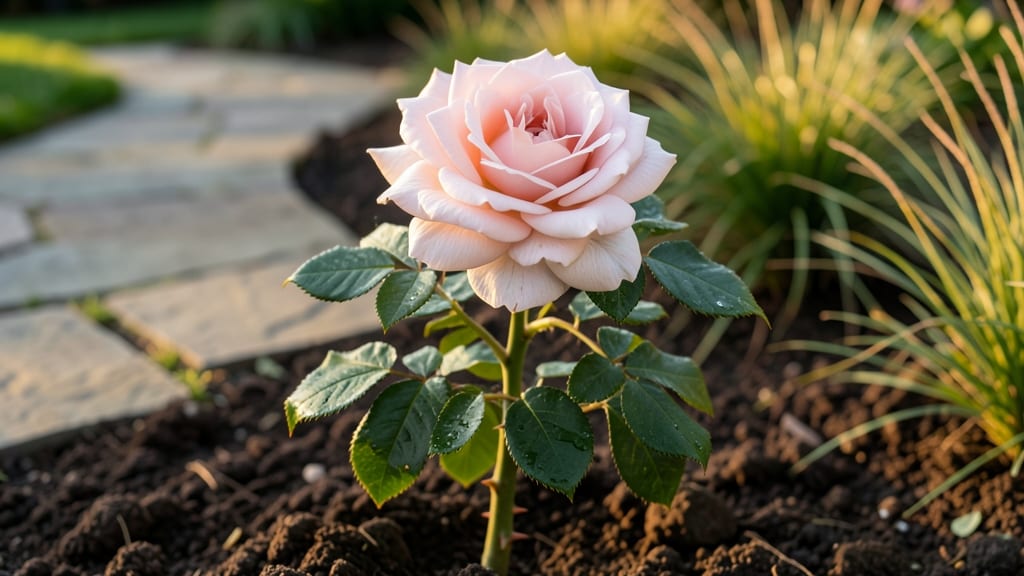
Growing the Sheer Bliss rose means waking up to clouds of fragrant, blush-pink blooms that last all season. 🌹 I’ve grown dozens of roses, but this one stands out—it’s disease-resistant, thrives in heat, and keeps blooming like clockwork. The secret? Matching its needs to its natural vigor, not fighting it.
Start with well-draining soil mixed with compost and a spot that gets 6+ hours of sunlight daily. Unlike fussy roses, Sheer Bliss forgives occasional watering slips, but consistent moisture keeps those petals plump. Prune just after blooming to encourage nonstop flowers—no deadheading required.
By midsummer, you’ll have a bush bursting with sweetly scented blooms that attract bees and butterflies. The fragrance lingers in the air long after the petals fall, making it the star of any garden. Even black thumbs can nail this one with minimal effort.
Works in zones 5-10, from containers to garden beds. Here’s how to set it up for maximum blooms without the drama.
📚 In This Guide
- What you need
- Instructions
- Tips and common mistakes
- Wrapping up and next steps
What you need
- ● Rose bush: Sheer Bliss rose (bare-root or potted, disease-resistant variety)
- ● Well-draining soil: Mix of garden soil, compost (50%), and perlite/sand (20%) for aeration
- ● Sunlight: Full sun (6–8 hours daily) – a south-facing location is ideal
- ● Watering can or hose: With a gentle spray nozzle (1–2 gallons per plant, 2–3x weekly)
- ● Organic fertilizer: Balanced 10-10-10 or rose-specific formula (apply every 4–6 weeks)
- ● Mulch: Wood chips or straw (2–3 inches) to retain moisture and suppress weeds
- ● Pruning shears: Sharp, sterilized (70% isopropyl alcohol) for clean cuts
- ● Support system: Sturdy rose trellis or stakes (4–6 ft tall) for climbing varieties
- ● Soil pH tester: Aim for 6.0–6.5 (adjust with lime or sulfur if needed)
- ● Epsom salt: 1 tbsp/month in water for magnesium boost
- ● Rose food granules: Slow-release organic pellets for convenience
- ● Pest control: Neem oil or insecticidal soap (preventative spray)
- ● Greenhouse or cold frame: For winter protection in colder climates
Step-by-step instructions for cultivating Sheer Bliss roses
Here’s how to coax those velvety blooms and intoxicating fragrance from your Sheer Bliss roses—season after season.
🌱 Step 1: Choose the Perfect Planting Site and Soil
Sheer Bliss roses thrive in full sun—at least 6-8 hours daily—so pick the sunniest spot in your garden. Avoid areas where afternoon shade lingers, as this weakens bloom production. I always test the soil pH first; these roses prefer 6.0-6.5 for optimal nutrient uptake. If your soil is heavy clay, amend it with 2-3 inches of compost mixed into the top 12 inches of soil.
Dig a hole twice as wide as the root ball but no deeper—planting too deep suffocates the graft union, which is critical for disease resistance. Loosen the roots gently before placing the rose in the hole, then backfill with the amended soil. Water deeply to eliminate air pockets, and you’ll see the soil settle naturally around the roots.
☀️ Step 2: Water Deeply and Mulch for Year-Round Bloom Support
Water once a week during the first growing season, delivering 1-1.5 gallons per plant at the base. Sheer Bliss roses are drought-tolerant once established, but consistent moisture is key during the first year. I water in the early morning to reduce evaporation and fungal risks. Stop watering when the top 2 inches of soil feel dry—this prevents overwatering, which leads to root rot.
Apply a 3-inch layer of mulch (like shredded bark or pine straw) around the base, keeping it 2 inches away from the stem. Mulch retains moisture, regulates soil temperature, and suppresses weeds—all of which keep your roses blooming longer. Replenish mulch annually in early spring to maintain its effectiveness.
✂️ Step 3: Prune Strategically for Continuous Blooms
Prune Sheer Bliss roses twice a year: once in late winter (just before new growth starts) and again in early summer after the first flush of blooms. In late winter, remove dead, diseased, or crossing branches at the base, cutting just above an outward-facing bud. This opens the center of the plant for better airflow and sunlight penetration.
For summer pruning, trim back one-third of the longest stems to encourage bushier growth and more blooms. Always use clean, sharp pruners to make 45-degree cuts just above a leaf node. Avoid cutting into old wood—Sheer Bliss roses bloom on new growth, so focus on fresh, green stems. You’ll notice a surge in new buds within 2-3 weeks of pruning.
🌿 Step 4: Fertilize for Fragrance and Vigorous Growth
Feed your Sheer Bliss roses with a balanced rose fertilizer (10-10-10 or similar) every 4-6 weeks during the growing season. Start fertilizing in early spring and continue until mid-summer. I prefer organic options like fish emulsion or compost tea, which also improve soil structure over time. Always water the plant 24 hours before fertilizing to prevent root burn.
For extra fragrance, add a handful of Epsom salt (magnesium sulfate) to the soil in early spring. This boosts chlorophyll production, leading to richer, more fragrant blooms. You’ll smell the difference within 4-6 weeks—the petals develop a deeper, more complex scent that lingers longer in bouquets.
Tips & tricks for cultivating Sheer Bliss roses
Here's what nobody tells you about getting these roses to thrive—and why my first attempt failed spectacularly.
Sunlight Secret: While 6-8 hours of daily sun is ideal, Sheer Bliss roses can handle up to 10 hours if your climate is hot—just be prepared to increase watering slightly during peak summer. I learned this the hard way when my roses wilted dramatically after a 90°F week; the solution was moving them to partial afternoon shade while keeping morning sun exposure. The key is watching leaf color: deep green means perfect light, while yellowing indicates too much sun or heat stress.
Soil pH Precision: Testing your soil pH is non-negotiable—these roses won't tolerate extremes. If your soil tests below 6.0, amend with powdered lime (1/4 cup per plant) in early spring. For clay soil, mix in 2-3 inches of compost as specified, but also add perlite (1 part perlite to 3 parts soil) to improve drainage. I've seen roses planted in unamended clay soil struggle with root rot despite proper watering.
Pruning Timing: The late winter pruning (just before new growth starts) is your most critical window—don't rush it! If you prune too early, you'll cut back fresh growth that could have survived winter. Look for swollen buds on the stems as your cue. For summer pruning, always trim in the morning when stems are firm, not after a hot day when they're limp. This makes cleaner cuts and reduces disease risk.
Fertilizer Strategy: That 24-hour pre-fertilizing watering is crucial—it prevents root burn from concentrated salts. I've seen roses wilt dramatically after fertilization when this step was skipped. For organic options, compost tea works beautifully but must be applied every 2-3 weeks rather than the 4-6 week schedule for chemical fertilizers. The Epsom salt boost in early spring is particularly effective when applied directly to the soil surface, not mixed in.
Pro Tips for Sheer Bliss Rose
- Here's what nobody tells you about getting these roses to thrive—and why my first attempt failed spectacularly.
- Sunlight Secret: While 6-8 hours of daily sun is ideal, Sheer Bliss roses can handle up to 10 hours if your climate is hot—just be prepared to increase watering slightly during peak summer.
- Soil pH Precision: Testing your soil pH is non-negotiable—these roses won't tolerate extremes.
Frequently asked questions
Got questions about cultivating your Sheer Bliss Rose? You’re not alone!
Here are answers to the most common queries—from pruning puzzles to pest prevention—so you can keep those fragrant blooms coming year-round.
What’s the best time to plant a Sheer Bliss Rose?
The ideal window is early spring or fall, when temperatures are mild (50–70°F). Planting in late spring or summer risks heat stress, while winter planting can expose roots to frost. Amend your soil with compost first for a head start!
How often should I water my Sheer Bliss Rose?
Water deeply 1–2 times per week (more in extreme heat or drought). Aim for 1–1.5 inches of water per week, focusing on the root zone. Mulch helps retain moisture—just avoid piling it against the stem to prevent rot.
When and how should I prune for maximum blooms?
Prune twice a year: lightly in early spring (remove dead/diseased wood) and heavily after the first flush of blooms in late spring/early summer. Cut back to an outward-facing bud to encourage airflow and more flowers. Never prune in fall or winter!
What’s the best way to prevent pests like aphids or black spot?
Start with proper spacing and airflow—crowded roses invite disease. Spray foliage with neem oil or insecticidal soap at the first sign of pests. For fungal issues like black spot, remove infected leaves immediately and apply a copper fungicide preventatively in humid seasons.
Can Sheer Bliss Roses survive winter in cold climates?
Yes! These hardy roses tolerate USDA Zones 5–10. In colder zones, mulch heavily (4–6 inches) with straw or shredded bark after the ground freezes. Wrap the canes loosely with burlap or rose cones for extra protection. Uncover in early spring once thawing begins.
What are some low-maintenance alternatives to Sheer Bliss Roses?
If you want fragrant, repeat-blooming shrubs with less fuss, try:
- Knock Out® Roses (disease-resistant, no deadheading needed)
- Dwarf Gardenias (evergreen, sweetly fragrant, loves shade)
- Butterfly Bush (Buddleia) (pollinator magnet, drought-tolerant)
- Weigela (fast-growing, pink blooms, thrives in poor soil)
Wrapping up and next steps
There you have it—your sheer bliss rose is ready to thrive with fragrant, year-round blooms! 🌹 By choosing the right soil, providing proper care, and troubleshooting common issues, you’re well on your way to cultivating a stunning, low-maintenance shrub that’ll fill your garden with beauty and scent. Now’s the time to roll up your sleeves and give your rose the love it deserves!
Ready to watch your garden transform? Start by planting your sheer bliss rose today—and don’t forget to share your progress with fellow gardening enthusiasts. Happy growing! 🌱