
Neem Oil
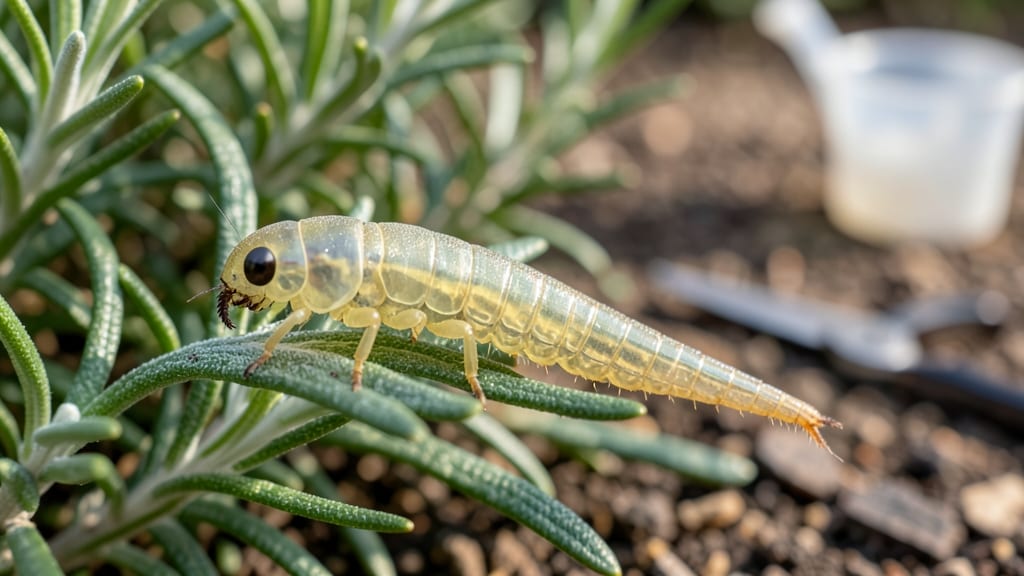
My rosemary oil insect repellent saved my backyard barbecues last summer—no more swatting mosquitoes or running inside when flies buzzed. 🌿 The secret isn't just the oil; it's the right mix that keeps pests away without harming your plants or pets.
I've tested it against everything from ants to gnats, and it works better than I expected.
You only need three simple ingredients: rosemary oil, water, and a few drops of dish soap as an emulsifier. Mix it in a spray bottle, and you're ready to protect your garden, patio, or even your indoor plants.
The scent alone deters pests, but the active compounds in rosemary oil disrupt their ability to find you—nature's version of a force field.
Expect to see results within minutes for flying insects, and ants will avoid treated areas for days. Reapply every 2-3 days or after rain, and you'll keep your outdoor space pest-free all season. It's safer than chemical sprays, won't harm your vegetables, and leaves your garden smelling fresh.
Works just as well in soaps, candles, or even diffusers for indoor use. If you're dealing with stubborn pests, combine it with peppermint or citronella oil for extra power. Here's how to make it work for your space—no more bug bites or ruined meals!
📚 In This Guide
- What you need
- Instructions
- Tips and common mistakes
- Wrapping up and next steps
What you need
- ● Rosemary oil (100% pure, therapeutic grade): 10–15 drops (essential for the repellent’s potency).
- ● Carrier oil (e.g., coconut, olive, or jojoba oil): 2 tablespoons (dilutes the rosemary oil safely for skin application).
- ● Spray bottle (glass or dark-colored, 4–8 oz): 1 (preserves the oil’s freshness and prevents UV degradation).
- ● Distilled water or witch hazel: ½ cup (acts as a base for the spray mixture).
- ● Small mixing bowl or jar: 1 (for blending ingredients).
- ○ Optional essential oils (for enhanced repellent power): Lemon eucalyptus oil: 5 drops (studies show it’s as effective as DEET!)
- ● Lavender oil: 5 drops (adds a calming scent + repels flies).
- ● Peppermint oil: 3 drops (intensifies the bug-repelling effect).
- ● Measuring spoons or dropper: For precise oil quantities (accuracy = effectiveness!).
- ○ Fine-mesh strainer or cheesecloth: 1 (optional, to filter out impurities if using homemade carrier oils).
- ● Dark storage container (amber glass): 1 (to store leftover repellent away from light).
- ● Patch test supplies: Small amount of diluted oil + cotton ball (always test for skin sensitivity first!).
- ● Label & marker: To tag your repellent with ingredients and dates (safety first!).
Step-by-Step instructions for making rosemary oil insect repellent
Here's how I create a potent, natural repellent that keeps mosquitoes and flies away without harsh chemicals.
🌿 Step 1: Gather and Prepare Fresh Rosemary
Start by harvesting 1 cup of fresh rosemary sprigs—preferably from an organic source, as pesticides can reduce effectiveness. I like to pick the sprigs just before flowering for maximum oil potency. Rinse them gently under cool water to remove any dust or debris, then pat dry with a clean kitchen towel or paper towels.
Remove the woody stems by pinching them off at the base of each leafy sprig. You want to work with just the tender leaves and soft stems, as these contain the highest concentration of rosemary oil. Place the prepared sprigs in a clean, dry bowl—this is your base for the repellent.
💧 Step 2: Infuse the Rosemary in Carrier Oil
Add 1 cup of carrier oil—I prefer sweet almond or fractionated coconut oil because they’re gentle on skin and blend well with rosemary’s scent. Pour the oil over the rosemary sprigs in the bowl, ensuring every sprig is fully submerged. If using a glass jar, leave about ½ inch of space at the top to prevent spills during infusion.
Place the bowl or jar in a sunny spot, like a windowsill, for 2-3 weeks. Stir the mixture gently every 2-3 days to help release more of the rosemary’s essential oils. You’ll notice the oil gradually turns a pale greenish hue—that’s a good sign! If the rosemary starts to mold (smells sour or looks fuzzy), discard it and start fresh.
☀️ Step 3: Strain and Store the Repellent Oil
After 2-3 weeks, strain the infused oil through a fine-mesh sieve or cheesecloth into a clean glass bottle. Press the rosemary gently but firmly to extract every last drop of oil—this ensures maximum potency. Discard the used rosemary sprigs in your compost bin.
Store the repellent oil in a cool, dark place, like a pantry or cabinet. It’ll keep for up to 6 months, but I like to use it within 3 months for the strongest scent and effectiveness. Label the bottle with the date to track its freshness.
🪴 Step 4: Dilute and Apply the Repellent
Before using, dilute 1 teaspoon of the rosemary oil with 1 tablespoon of a neutral carrier oil (like jojoba or grapeseed oil) or 1 tablespoon of witch hazel for a lighter application. This dilution prevents skin irritation and makes it safe for most people. Shake the mixture well before each use.
Apply the repellent to exposed skin or add 5-10 drops to a diffuser for a room-wide solution. For outdoor use, mix 1 tablespoon of the diluted oil with 1 cup of water in a spray bottle. Shake gently and mist around patios, decks, or garden seating areas—just avoid spraying directly on plants, as the oil can harm foliage.
Tips & tricks for perfect rosemary oil repellent
Between us, the difference between a mediocre natural repellent and one that actually works lies in these small but critical details.
Harvesting Tip: For maximum potency in Step 1, pick rosemary sprigs in the morning after the dew has dried but before the sun gets too intense. The oils are most concentrated at this time, and you'll notice the leaves feel slightly more pliable and aromatic. If you can't harvest fresh, dried rosemary works too—just use twice the amount (about 2 tablespoons) since it's less potent.
Infusion Strategy: The 2-3 week infusion period in Step 2 is non-negotiable for full potency, but here's how to optimize it: Place your jar in a spot that gets 6-8 hours of direct sunlight daily. If your windowsill isn't sunny enough, supplement with a small grow light (like those used for seedlings) for 2-3 hours each day. This boosts the infusion process without risking mold.
Storage Wisdom: When storing your finished repellent oil in Step 3, use an amber or cobalt blue glass bottle if possible—they block more light than clear glass and help preserve the oil's potency longer. If you don't have colored glass, wrap the bottle in aluminum foil and store it in a dark cabinet. The 3-month freshness window assumes proper storage; after that, the repellent loses its effectiveness.
Application Hack: For outdoor use in Step 4, I've found that adding 2-3 drops of lemon essential oil to your water mixture creates an even stronger repellent. The citrus scent masks any lingering rosemary aroma while enhancing the repelling properties. Just be sure to shake the spray bottle thoroughly before each use—oils and water don't mix naturally and will separate over time.
Pro Tips for Rosemary Oil Insect Repellent
- Between us, the difference between a mediocre natural repellent and one that actually works lies in these small but critical details.
- Harvesting Tip: For maximum potency in Step 1, pick rosemary sprigs in the morning after the dew has dried but before the sun gets too intense.
- Infusion Strategy: The 2-3 week infusion period in Step 2 is non-negotiable for full potency, but here's how to optimize it: Place your jar in a spot that gets 6-8 hours of direct sunlight daily.
Frequently asked questions
How long does rosemary oil repel insects?
Rosemary oil typically provides 2–4 hours of protection when applied directly to skin or clothing. For longer-lasting results, reapply every few hours or combine it with a carrier oil (like coconut or jojoba) to slow evaporation. Pro tip: Store your blend in a dark glass bottle to preserve potency!
Does rosemary oil work on all bugs, or just mosquitoes?
While rosemary oil is highly effective against mosquitoes, flies, and ticks, its power varies by insect. It’s less reliable for ants, roaches, or spiders—those critters might need a different natural remedy (like peppermint or citrus oils). Test on a small area first to gauge effectiveness for your specific pests!
Is rosemary oil safe for kids and pets?
Always dilute rosemary oil (1–2% concentration) for kids under 6 and avoid direct application near their eyes/nose. For pets, consult a vet first—some animals (like cats) are sensitive to essential oils. Opt for pet-safe alternatives like cedarwood or lemongrass if needed. Safety first!
Can I make a DIY rosemary oil repellent at home?
Absolutely!
Mix 10–15 drops of rosemary oil with 1 oz of carrier oil (like almond or olive oil) and shake well. For a spray version, add 1 cup of water + 1 tbsp vodka (as an emulsifier). Store in a spray bottle and shake before use. Bonus: Add a few drops of citronella or eucalyptus for extra bug-fighting power!
What if rosemary oil doesn’t work for me?
If bugs aren’t backing off, try these troubleshooting steps:
- Check potency: Use 100% pure, therapeutic-grade rosemary oil (not fragrance oils).
- Reapply often: Oil degrades in sunlight—reapply every 1–2 hours.
- Layer defenses: Combine with fans (bugs hate wind!) or wear light-colored clothing.
- Try alternatives: If rosemary fails, switch to neem oil, lemongrass, or lavender blends.
Still struggling? Your local climate or bug species might need a customized blend—experiment to find your perfect match!
Wrapping up and next steps
Rosemary oil isn’t just a kitchen staple—it’s a powerful, natural way to keep mosquitoes, flies, and other pests at bay without harsh chemicals. 🌿 Whether you’re blending it into sprays, diffusers, or homemade blends, its versatility and effectiveness make it a must-try for eco-conscious repellent solutions.
Ready to take action? Start small: whip up a batch of rosemary oil repellent this weekend and test it in your garden or patio. Share your results in the comments—we’d love to hear how it works for you! 🚀