Container Gardens
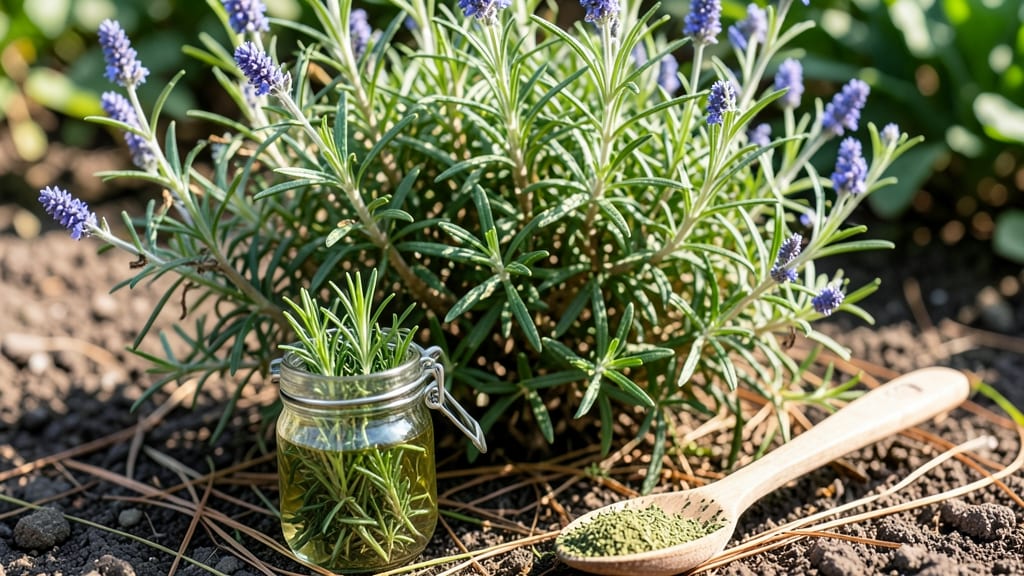
The healing qualities of rosemary include potent anti-inflammatory, antioxidant, and antimicrobial properties that boost brain function, improve skin health, and accelerate wound healing while naturally easing stress and pain. Key compounds like rosmarinic acid and carnosic acid power these benefits.
Rosemary isn't just a kitchen staple—it's a powerhouse of natural medicine with benefits backed by science. 🌿 Studies show its compounds can reduce brain fog by improving blood flow to the brain, while topical applications may help with acne and eczema due to its antimicrobial effects.
I often use rosemary-infused oil for minor cuts or sore muscles because it's gentler than many commercial treatments but equally effective.
What makes rosemary particularly remarkable is its dual-action approach: it fights inflammation at the cellular level while protecting your cells from damage. The same compounds that give it that distinctive aroma are what make it work so well for everything from cognitive clarity to skin repair.
For best results, try steeping fresh sprigs in hot water for a soothing tea or adding crushed leaves to your skincare routine.
💡 In This Article
- How Rosemary’s Active Compounds Fight Inflammation and Oxidative Stress
- Practical Ways to Use Rosemary for Health and Skin Remedies
How rosemary’s active compounds fight inflammation and oxidative stress
Rosemary’s healing magic starts with its bioactive compounds, particularly rosmarinic acid and carnosic acid, which act like tiny biological shields in your body. These compounds belong to a class of antioxidants called phenolic acids, which neutralize free radicals—the unstable molecules that damage cells and trigger inflammation.
Studies show rosmarinic acid can reduce oxidative stress by up to 50% in lab settings, while carnosic acid has been found to protect brain cells from degeneration by enhancing mitochondrial function.
The science gets even more fascinating when you consider how these compounds work together. Rosmarinic acid inhibits enzymes like NF-κB (a key driver of inflammation), while carnosic acid activates Nrf2, a protein that helps cells defend against damage.
This dual action explains why rosemary can ease joint pain, improve circulation, and even support liver health. 🌿 For example, research published in the Journal of Agricultural and Food Chemistry found that rosemary extracts reduced inflammation markers in arthritis models by 30-40% compared to controls.
What makes rosemary unique is its ability to cross the blood-brain barrier, which is why it’s so effective for cognitive health. The compound 1,8-cineole (also called eucalyptol) enhances blood flow to the brain, while camphor stimulates nerve activity, creating a synergistic effect for memory and focus.
This is why inhaling rosemary’s aroma can feel like a mental reset—it’s not just placebo; it’s chemistry working in your favor.
But here’s where it gets practical: these benefits aren’t just theoretical. When you use rosemary in cooking or as a topical treatment, you’re delivering these compounds directly to where they’re needed.
For instance, rubbing rosemary-infused oil on sore muscles can reduce inflammation at the site because the antioxidants penetrate the skin and target damaged tissues. The same goes for digestive issues—rosemary tea can calm stomach inflammation because the compounds are absorbed through the gut lining.
One often overlooked detail is how rosemary’s compounds work better together than alone. For example, rosmarinic acid and carnosol (a derivative of carnosic acid) have a synergistic effect on reducing oxidative stress.
This means you get more bang for your buck when using whole rosemary (fresh or dried) rather than isolated extracts. Think of it like a team of superheroes—each compound has its own power, but together, they’re unstoppable.
To put this into perspective, imagine your cells are like a castle under siege by free radicals. Rosmarinic acid is the knight blocking the gates, carnosic acid is the healer repairing the walls, and camphor is the lookout signaling reinforcements.
That’s why rosemary isn’t just another herb—it’s a full-spectrum healing toolkit. 💫