
Planting
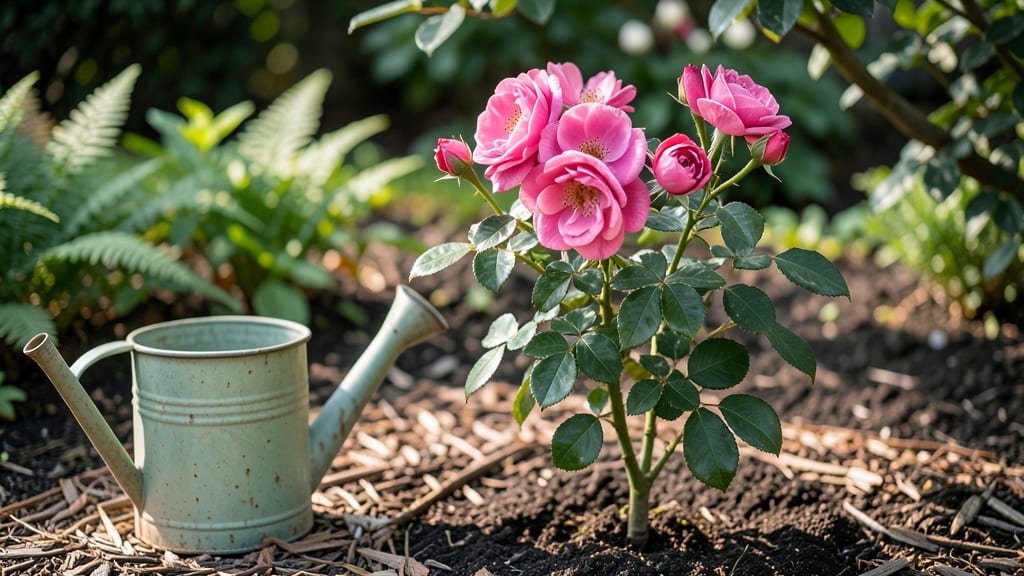
Summer rose plant care in summer demands finesse—unless you adjust your game, these heat-sensitive beauties will wilt dramatically in July. 🌿 I've watched roses collapse until I learned these simple tricks that keep them thriving with half the water and none of the stress.
The secret isn't more watering (that's what kills them) but deeper, less frequent watering paired with morning shade and mulch that locks in moisture. My heat-resistant roses now bloom heavier in August than they did in June, and the leaves stay crisp instead of crispy.
You'll spot the difference within 2 weeks: fewer yellow leaves, no black spots from fungus, and stems that stay sturdy even when temps hit 95°F. The key is working with the plant's natural rhythms, not fighting summer's intensity. Works for hybrid teas, floribundas, and even old garden roses.
Let's make your roses the envy of the neighborhood this summer!
📚 In This Guide
- What you need
- Instructions
- Tips and common mistakes
- Wrapping up and next steps
What you need
- ● Watering can or hose with a gentle spray nozzle – Opt for a 1-2 gallon capacity for efficient hydration.
- ● Mulch (organic or inorganic) – 2-3 inches of straw, wood chips, or gravel to retain moisture and regulate soil temperature.
- ● Pruning shears (sterilized) – Sharp, bypass-style shears to trim dead or overgrown branches.
- ● Balanced fertilizer (10-10-10 or slow-release rose food) – Apply every 4-6 weeks during peak growing season.
- ● Shade cloth (30-50% coverage) – Lightweight, breathable fabric to protect roses from intense afternoon sun.
- ● pH testing kit – Ensures soil pH stays in the ideal range of 6.0-6.5 for roses.
- ● Drip irrigation system – Automates watering and delivers moisture directly to roots.
- ● Epsom salt (magnesium sulfate) – 1 tablespoon per gallon of water for a quick nutrient boost.
- ● Reflective mulch or white plastic sheeting – Helps deflect heat from the soil.
- ● Rose-specific fungicide – Prevents powdery mildew or black spot in humid climates.
Step-by-Step instructions for heat-resistant rose care
Here's how I keep roses lush and blooming all summer—even in drought.
☀️ Step 1: Adjust Watering for Heat Tolerance
Water deeply once a week rather than daily shallow sessions. I aim for 1-1½ inches of water per week, delivered slowly at the base to encourage deep root growth. Use a timer on your hose or soaker hose to avoid runoff—roses hate soggy feet but need consistent moisture during heatwaves.
Check soil moisture by pushing your finger 3 inches deep. If it feels dry, water again. Early morning is best—watering at night invites fungal diseases. You'll see dark, crispy leaves if you're underwatering, but yellowing leaves usually mean overwatering.
🪴 Step 2: Mulch to Lock in Moisture
Spread 3-4 inches of mulch around each plant, keeping it 2 inches away from the stem to prevent rot. I use shredded bark or straw—both keep roots cool and reduce evaporation. Replenish mulch after heavy rains or when it breaks down.
This layer acts like a desert's shade cloth for your roses. Without mulch, soil dries out 50% faster in summer heat. Watch for mulch pulling away from the base—secure it gently with a light hand rake if needed.
✂️ Step 3: Prune Strategically for Heat Resistance
Remove one-third of the oldest stems in early summer to encourage new, vigorous growth. Cut just above an outward-facing bud to promote bushiness. I also trim back any leggy stems that stretch toward the sun—these burn easily in intense light.
Deadhead spent blooms immediately to redirect energy to new growth. Never cut into old wood (the thick, woody stems)—this stresses the plant. You'll know you're pruning correctly when you see new buds forming within 2-3 weeks.
🌿 Step 4: Feed and Protect During Heat Spikes
Apply a balanced, slow-release fertilizer (10-10-10) when new growth appears in early summer. I avoid high-nitrogen fertilizers—they encourage leafy growth at the expense of blooms. Water the roots well after feeding to prevent burn.
For extreme heat (95°F+), provide afternoon shade with shade cloth. You'll notice roses wilting slightly in afternoon heat—that's normal. If leaves turn crispy or brown, they're sunburned. Move the plant to partial shade for a week to recover.
💧 Step 5: Monitor and Adjust for Local Conditions
Watch for pests like aphids or spider mites—heat-stressed roses attract them. Spray with neem oil if you see sticky residue on leaves or fine webbing. I check undersides of leaves weekly during droughts.
Adjust care based on your microclimate. Coastal roses may need more frequent watering, while inland roses tolerate drought better. The key is observing your plant's response—adjust watering, pruning, and feeding based on what you see, not just the calendar.
Tips & tricks for heat-resistant rose care
Here's what nobody tells you about keeping roses thriving when temperatures climb.
Soil Moisture Test: The finger-check method in Step 1 works best in the morning after sunrise. If the soil feels cool and damp at 3 inches deep, your roses have enough moisture for another day. I've found that sandy soils dry out faster—water these types every 5 days instead of weekly. A simple soil moisture meter can help if you're unsure, but your finger is just as reliable when you practice.
Mulch Maintenance: That 3-4 inches of mulch in Step 2 isn't just about moisture—it's also insulation. In extreme heat (95°F+), mulch keeps roots up to 10°F cooler than surface temperatures. I like to add a thin layer of straw on top of my existing mulch during heatwaves—it acts like a cooling blanket. Just remember to keep it 2 inches away from stems to prevent rot.
Pruning Precision: When removing one-third of oldest stems in Step 3, look for canes that are thicker than a pencil and show signs of aging (grayish color, fewer leaves). These are the stems that compete with new growth for water. I always sterilize my pruners with rubbing alcohol between cuts to prevent disease spread—especially important in summer's humid conditions.
Heat Stress Recovery: If your roses show signs of sunburn (crispy brown edges) during heat spikes, don't panic. Move the plant to partial shade for 3-5 days while keeping soil consistently moist. I've seen roses recover completely from sunburn when given this treatment. The new growth that emerges after recovery is often more heat-resistant than before!
Pro Tips for Rose Plant Care In Summer
- Here's what nobody tells you about keeping roses thriving when temperatures climb.
- Soil Moisture Test: The finger-check method in Step 1 works best in the morning after sunrise.
- Mulch Maintenance: That 3-4 inches of mulch in Step 2 isn't just about moisture—it's also insulation.
Frequently asked questions
Got questions about keeping your roses happy in the summer heat?
Here are answers to the most common concerns—so you can enjoy lush blooms without the stress!
How often should I water my roses in extreme heat?
Water deeply 2–3 times per week (early morning or late evening) to encourage strong roots. Aim for 1–1.5 inches of water per session. Mulch helps retain moisture—just keep it 2–3 inches away from the stem to prevent rot. Pro tip: Check soil moisture 2 inches down; if dry, it’s time to water!
Can I fertilize roses during summer?
Yes! Use a balanced, water-soluble fertilizer (10-10-10) every 4–6 weeks for blooms, but skip heavy feeding in scorching heat (above 90°F/32°C). Opt for slow-release granules or organic options like compost tea to avoid burning roots. Stop fertilizing 6–8 weeks before your first frost to harden off plants.
What bugs should I watch for in summer, and how do I treat them?
Common pests include aphids, spider mites, and Japanese beetles. For mild infestations, spray with neem oil or insecticidal soap. For beetles, handpick them (they’re easy to spot!) or use pyrethrin-based sprays. Preventively, encourage ladybugs and lacewings—they’re natural predators!
Should I prune roses in summer, and if so, when?
Light pruning is safe in summer to remove dead or diseased stems or shape the plant. Avoid heavy pruning—save that for early spring or late fall. If pruning, sterilize tools with rubbing alcohol first and prune just above a 5-leaf cluster to encourage new growth. Best time: Early morning on a cool day to reduce stress.
How do I protect roses from heat stress or sunburn?
Roses can get sun-scald on leaves (white/yellow patches). Provide light afternoon shade (use shade cloth if needed) and avoid overhead watering (it can scorch leaves). Mulch heavily (2–3 inches) to keep roots cool. If leaves wilt, mist them lightly in the evening—just don’t overdo it! Variegated or dark foliage roses are more heat-tolerant.
What are some low-water rose varieties for summer?
Try these drought-resistant picks:
- Knock Out® roses – Disease-resistant, blooms nonstop, thrives on neglect.
- Earth-Kind® roses – Native-friendly, needs half the water of hybrids.
- David Austin ‘Gertrude Jekyll’ – Fragrant, heat-tolerant, and low-maintenance.
- Rugosa roses – Salt-tolerant, only needs watering every 10–14 days once established.
Wrapping up and next steps
Caring for your roses in summer doesn’t have to be a struggle—with the right techniques, you can keep them lush, healthy, and thriving even in the heat! 🌿 The key is balancing watering wisely, protecting from scorching sun, and pruning strategically to encourage strong growth.
By following these steps, you’ll enjoy vibrant blooms all season long.
Ready to put your newfound knowledge into action? Start by inspecting your roses this week—check for signs of stress, adjust your watering schedule, and give them a little extra shade if needed.
Your hard work will pay off in stunning, resilient roses that bring joy to your garden all summer! 🌸