
Shrubs
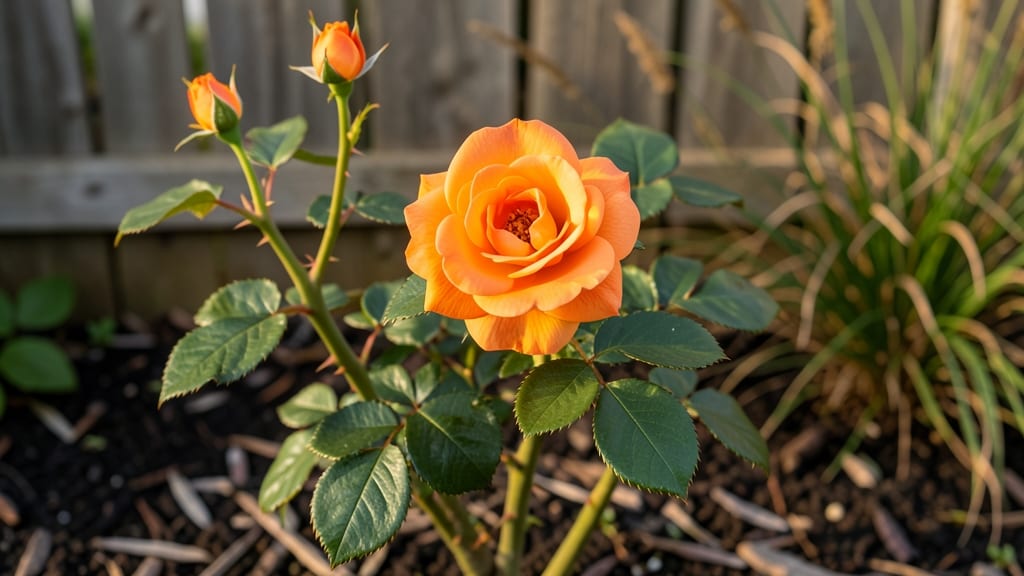
Orange roses aren’t just a color—they’re a bold statement in any garden. 🌸 Their fiery blooms bring warmth, joy, and a touch of drama that brightens borders, climbs trellises, or steals the show as a standalone shrub.
I’ve designed gardens where these shrubs act as the centerpiece, their fragrance lingering long after the petals fade. Pair them with deep purple salvias or silvery lavender for a striking contrast, or let them mingle with golden grasses for a sun-drenched, cottage-garden feel.
In modern spaces, their vibrant hue pops against sleek greenery like boxwood or hostas, while formal gardens adore them as structured hedges with precise, repeating blooms. The emotional payoff? A garden that feels alive—like sunlight captured in petals.
Orange roses symbolize enthusiasm and creativity, so they’re perfect for spaces meant to inspire. Whether you’re going for whimsical charm or polished elegance, these shrubs deliver year-round visual and sensory rewards. Works in full sun or partial shade, adapting to everything from rustic pathways to refined entryways.
Let’s make your garden unforgettable!
📚 In This Guide
- What you need
- Instructions
- Tips and common mistakes
- Wrapping up and next steps
What you need
- ● Shrub Plant: Choose a rose orange color variety (e.g., Hibiscus ‘Orange King’, Abelia ‘Kaleidoscope Orange’, or Camellia ‘Orange Grove’). Purchase from a reputable nursery (1-2 plants for small gardens, 3+ for larger spaces).
- ● Well-Draining Soil: 50% native soil
- ● 30% compost or aged manure
- ● 20% perlite or coarse sand (for aeration)
- ● Fertilizer: Slow-release balanced fertilizer (10-10-10) or organic options like fish emulsion (apply 2-3 times per year).
- ● Mulch: 2-3 inches of organic mulch (e.g., wood chips or pine straw) to retain moisture and regulate temperature.
- ● Watering Can or Hose: With a gentle spray nozzle for even hydration.
- ● Pruning Shears: Sharp, clean shears (sterilize with rubbing alcohol between cuts).
- ● Gloves: Heavy-duty gardening gloves to protect your hands.
- ● Support Stakes: For taller shrubs (e.g., Hibiscus), use 3-4 ft bamboo stakes or metal cages.
- ● Epsom Salt: 1 tbsp mixed into soil monthly for magnesium (boosts vibrant rose orange color intensity).
- ● Pest Control: Neem oil or insecticidal soap (prevents aphids/scale from dulling foliage).
- ● Slow-Release Color Booster: Liquid iron or chelated iron supplement (enhances foliage hue).
- ● Decorative Accents: Garden flags, pebbles, or solar lights to highlight your rose orange color showstopper!
Step-by-step guide to cultivating orange-blooming roses
Here's how to nurture those fiery orange roses into a showstopper shrub that blooms season after season.
🌱 Step 1: Select the Right Orange Rose Variety
Not all orange roses are created equal—choose a cold-hardy, disease-resistant variety like 'Knock Out Orange' or 'The Fairy' for reliable blooms. These shrubs thrive in zones 5-10 and produce continuous flowers from spring through fall. I always check the American Rose Society's zone recommendations before purchasing, as some tropical hybrids struggle in cooler climates.
Look for healthy, well-branched plants with vibrant green foliage and no signs of black spot or powdery mildew. The buds should be firm but slightly swollen, indicating they're ready to open. Avoid roses with yellowing leaves or sparse canes—they'll struggle to rebound after transplanting.
☀️ Step 2: Plant in Full Sun with Proper Soil Preparation
Orange roses demand 6-8 hours of direct sunlight daily—partial shade will produce fewer blooms and weaker stems. I dig a hole twice as wide as the root ball but only as deep as the container's base. Amending the native soil with 2-3 inches of compost ensures good drainage while retaining moisture.
Before planting, soak the root ball in water for 15-20 minutes to rehydrate the roots. Position the plant so the graft union (the swollen area near the base) sits 1-2 inches above soil level
Water immediately after planting to settle the soil, then provide 1-2 inches of water weekly during the first growing season. I use a soaker hose to deliver moisture directly to the root zone, keeping foliage dry to prevent fungal diseases. The top 2-3 inches of soil should feel dry before watering again—this encourages deep root growth. Mulch with 2-3 inches of organic mulch (like shredded bark) to retain moisture and regulate soil temperature. Keep mulch 3-4 inches away from the plant's base to prevent rot. Fertilize with a balanced rose fertilizer (10-10-10) every 4-6 weeks during the growing season, following label instructions precisely. Prune in early spring before new growth begins, removing 1/3 of the oldest canes to encourage younger, more vigorous branches. Cut just above an outward-facing bud to promote an open, airy growth habit. Deadhead spent blooms regularly—this redirects energy from seed production to new flower formation. Watch for suckers (shoots growing below the graft union)—remove them immediately to maintain the plant's hybrid vigor. I also thin crowded canes to improve airflow, which drastically reduces fungal diseases. Prune again in late summer to prepare for winter, cutting back 1/3 of the season's growth to harden off the plant. In fall, apply a 3-4 inch layer of mulch around the base to insulate roots during winter. I wrap young plants with burlap for the first two winters to protect against harsh winds. Orange roses are more susceptible to frost damage than darker varieties, so I monitor forecasts and cover plants if temperatures drop below 20°F. Spring is the time to assess winter damage—prune out any blackened canes and fertilize lightly to stimulate new growth. Watch for aphids and spider mites, which thrive on tender new shoots. A strong spray of water usually dislodges them, but I keep neem oil on hand for stubborn infestations. With consistent care, your orange rose shrub will reward you with vibrant blooms and intoxicating fragrance for years.💧 Step 3: Water Deeply and Establish a Consistent Routine
✂️ Step 4: Prune for Health and Abundant Blooms
🌿 Step 5: Protect and Maintain Through Seasons
Tips & tricks for perfect orange-blooming rose cultivation
Here's what nobody tells you about growing those stunning orange roses that'll make your garden the envy of the neighborhood.
Variety Selection Matters: The 'Knock Out Orange' variety is my go-to because it's disease-resistant and blooms continuously from spring to fall. When selecting any orange rose, prioritize cold-hardy varieties that thrive in your specific USDA zone—this ensures vibrant blooms year after year. I always verify the American Rose Society's recommendations to avoid tropical hybrids that may struggle in cooler climates.
Sunlight and Soil Strategy: Those 6-8 hours of direct sunlight are non-negotiable for vibrant orange blooms. I've learned the hard way that partial shade leads to weaker stems and fewer flowers. For soil prep, the 2-3 inches of compost isn't just about drainage—it's about creating the ideal environment for those deep orange hues to develop fully. The key is maintaining that balance between moisture retention and proper aeration.
Watering Wisdom: The 1-2 inches of water weekly guideline is perfect, but timing matters just as much. Water in the early morning so foliage has time to dry completely, preventing fungal diseases that can dull those vibrant orange petals. I've found that checking soil moisture by feeling the top 2-3 inches is more reliable than sticking to a rigid schedule—especially during summer heatwaves.
Pruning Precision: When removing 1/3 of the oldest canes in spring, I always look for canes that are thicker than a pencil—they're the most vigorous. For the late summer pruning, I focus on cutting back 1/3 of the season's growth to harden off the plant. This technique has given me the most abundant blooms, with those fiery orange flowers lasting longer on the bush.
Pro Tips for Rose Orange Color
- Here's what nobody tells you about growing those stunning orange roses that'll make your garden the envy of the neighborhood.
- Variety Selection Matters: The 'Knock Out Orange' variety is my go-to because it's disease-resistant and blooms continuously from spring to fall.
- Sunlight and Soil Strategy: Those 6-8 hours of direct sunlight are non-negotiable for vibrant orange blooms.
Frequently asked questions
Got questions about the stunning rose orange color in shrubs? You’re not alone! Here are some of the most common queries—and their answers—to help you grow and enjoy these vibrant beauties with confidence.
What exactly is a "rose orange" color in shrubs?
A rose orange shrub typically features blooms or foliage with a warm, peachy-orange hue blended with soft pink or salmon tones—think of a sunset glow with a floral twist. Some varieties, like Hibiscus or Camellia, showcase this rich, velvety color, while others (like Abelia) may have foliage with subtle rose-orange undertones. It’s all about that sunset-meets-blossom magic!
When is the best time to plant a rose orange shrub?
The ideal time depends on your climate, but generally, early spring or fall is perfect. These seasons offer mild temperatures and ample rainfall, giving roots time to establish before extreme heat or cold. In warmer zones, you can plant year-round—but avoid peak summer or winter freezes. Pro tip: Amend soil with compost for a nutrient boost to help your shrub thrive faster!
Are rose orange shrubs low-maintenance?
Most are! Many rose orange shrubs, like Abelia or Weigela, are drought-tolerant once established and thrive with minimal pruning. However, deadheading spent blooms () encourages more flowers, and a light trim after flowering keeps them bushy. Bonus: They’re deer-resistant, so you won’t need extra pest protection!
Can I grow a rose orange shrub in containers?
Compact varieties like Dwarf Gardenia or Miniature Camellia (with rose-orange blooms) do beautifully in pots. Just ensure the container has drainage holes and use a well-draining potting mix. Remember: Container plants may need more frequent watering, especially in hot weather. Rotate the pot occasionally for even growth!
Why aren’t my rose orange shrub’s leaves turning the expected color?
If your shrub’s leaves are paler or duller than expected, it could be due to nutrient deficiency (like iron or nitrogen), overwatering, or poor sunlight. Check the soil pH (ideal: 5.5–6.5 for many shrubs) and ensure it’s getting 6+ hours of sun daily. Yellowing leaves? Try a chelated iron supplement. Troubleshoot: Avoid heavy clay soil, which can suffocate roots.
Wrapping up and next steps
The rose orange color shrub isn’t just a burst of beauty—it’s a year-round celebration of fragrance and elegance that brightens any space.
Whether you’re drawn to its vibrant blooms, sweet scent, or low-maintenance charm, this shrub proves that stunning color and effortless care go hand in hand. 🌸
Ready to bring this sun-kissed charm to your garden? Start small—plant a single shrub as a statement piece, or go bold and create a fragrant border. Your next step? Pick your favorite variety, gather your tools, and let nature’s artistry unfold! 🌿