
Pruning
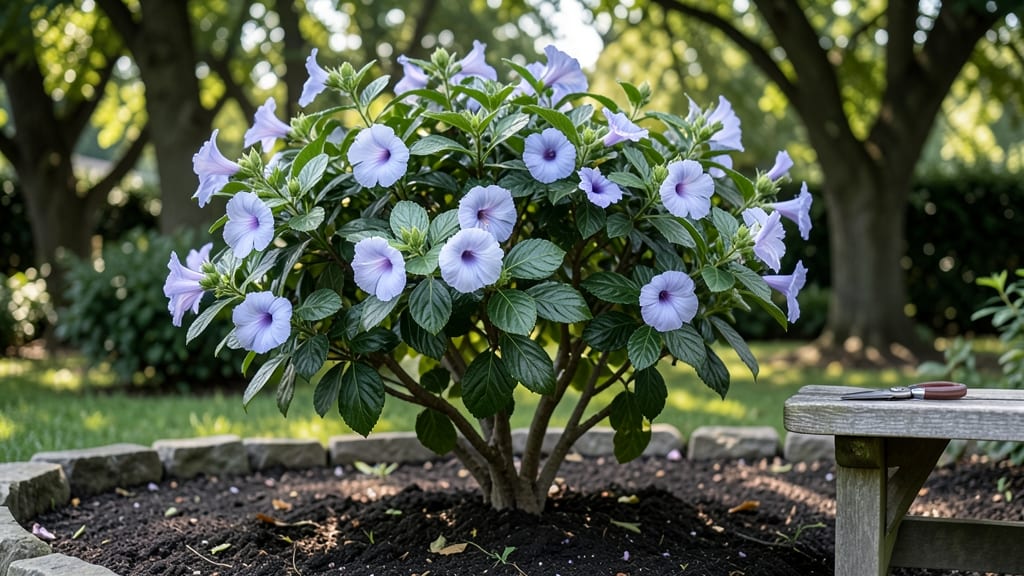
Your blue Rose of Sharon (Hibiscus syriacus) can transform a summer garden into a dreamy, twilight-blue canvas—but only if you prune it right. 🌿 I learned this the hard way after my first tree produced pale, sparse blooms, but these secrets will give you vibrant, deep blue flowers that last from midsummer through frost.
The magic happens in late winter or early spring, when you cut back one-third of the old wood to encourage fresh growth. This isn’t just trimming—it’s a reset that forces the tree to focus its energy on producing bold, healthy blooms instead of leggy branches.
Avoid heavy pruning after mid-July, or you’ll sacrifice next year’s flowers. What you’ll end up with is a tree covered in jewel-toned blue blooms that hummingbirds adore. The foliage stays lush, the branches fill out evenly, and you’ll have fewer pests because the tree stays strong and open to airflow.
Even in hot summers, the color stays true if you water consistently but don’t overdo it. Works for both small urban yards and spacious gardens—just adjust the pruning scale. Here’s how to make it happen without losing a single bloom.
📚 In This Guide
- What you need
- Instructions
- Tips and common mistakes
- Wrapping up and next steps
What you need
- ● Pruning shears: Sharp, bypass-style shears (for clean cuts; avoid dull tools that crush stems). Recommended: Felco F-2 or similar (1 pair).
- ● Loppers: For thicker branches (½"–1.5" diameter). Recommended: Corona or Fiskars (1 pair).
- ● Hand pruners: For small stems/twigs (1 pair). Pro tip: 💡 Sterilize with rubbing alcohol between cuts to prevent disease!
- ● Gloves: Heavy-duty, cut-resistant gloves (e.g., Mechanix or Wagner; 1 pair).
- ○ Pruning saw: Optional for stubborn, thick branches (>1.5"; recommended: Fiskars or Bahco).
- ● Disinfectant spray: 70% isopropyl alcohol or diluted bleach (1:9 ratio; 8 oz spray bottle).
- ● Marking twine or flags: For tagging branches to remove (e.g., colored twine or small fabric flags; 1 roll).
- ● Ladder: Sturdy, extendable ladder (height depends on tree size; safety first!).
- ● Heavy-duty trash bags: For debris cleanup (2–3 bags).
- ● Water & cloth: To clean tools post-pruning.
- ● Timing: Prune in late winter/early spring (before buds swell) or summer (after blooming). Avoid pruning in fall.
- ● Weather: Choose a dry, calm day (no rain for 24 hours post-pruning).
- ● Tree health check: Inspect for diseased/dying branches (blackened, mushy wood) or pests (aphids, spider mites).
- ○ Safety gear: Closed-toe shoes, long sleeves/pants, and eye protection (optional but recommended).
- ○ Plan ahead: Sketch a simple pruning map of your tree’s structure (optional but helpful for beginners!).
- ● Pruning sealant: For large cuts (>1"), but not required for Rose of Sharon (they heal fast!).
- ● Tree growth regulator: Such as Bonide Foliage Plus (if overgrowth is severe; follow label instructions).
- ● Camera/phone: To document "before" and "after" shots—so satisfying!
- ● Mulch: Shredded bark or wood chips (2–3 inches) to protect roots post-pruning.
Step-by-step pruning guide for blue Rose of Sharon trees
Here's how I keep my blue Rose of Sharon blooming beautifully—no guesswork, just proven techniques.
✂️ Step 1: Prune in Late Winter Before New Growth Begins
Start your pruning in late winter—right when you notice the first buds swelling on your tree. This is the perfect timing because the tree is dormant, and you can see the structure clearly without leaves obscuring your view. I always prune on a dry day to prevent spreading disease through wet tools or cuts.
Use clean, sharp pruners to make cuts just above a bud or branch collar. Avoid leaving stubs—this invites rot and weakens the plant. Remove any dead, diseased, or crossing branches first. These are the obvious culprits that steal energy from your blue blooms. I like to start with the 3 D's: Dead, Diseased, and Damaged branches go first.
✂️ Step 2: Thin Out Crowded Branches for Better Airflow
Next, focus on thinning the canopy to improve airflow and sunlight penetration. Look for branches that rub against each other or grow inward—they compete for resources and create a shady, humid environment that encourages fungal problems. Remove about one-third of the oldest wood each year to keep the tree healthy and encourage new growth.
I target branches that are thinner than a pencil—these are the ones that won’t produce strong blooms. Cut them back to the main stem or a strong lateral branch. You’ll see the difference in just a few weeks: more sunlight reaches the center, and new shoots emerge with vigor. This step is where the magic happens for vibrant blue blooms.
✂️ Step 3: Shape the Tree for Optimal Bloom Display
Now it’s time to shape your tree. Rose of Sharon trees bloom on new wood, so you want to encourage a balanced, open structure that lets light and air circulate freely. I aim for a rounded, vase-like shape—this isn’t about perfection, but about creating an inviting framework for flowers.
Prune back the longest branches by about one-third to encourage bushier growth. Avoid cutting into old wood unless it’s dead or diseased—new growth will come from the current season’s shoots. Step back occasionally to visualize the tree’s shape. You’ll know you’re on the right track when you see strong, evenly spaced branches emerging within a few weeks.
⏰ Step 4: Summer Pruning to Encourage Continuous Blooms
After the first flush of blooms, give your tree a light trim in early summer. This isn’t about drastic cuts—just removing spent flowers and any weak or leggy growth. Deadheading spent blooms encourages the tree to produce more flowers, and removing weak growth redirects energy to stronger branches.
I also check for suckers—those small shoots growing at the base of the tree. These compete with the main structure, so I remove them completely. A quick pass with pruners every 4-6 weeks keeps the tree looking tidy and promotes continuous blooming throughout the season. This is the secret to those vibrant blue flowers lasting all summer.
✂️ Step 5: Clean Up and Prepare for Next Year
Once fall arrives, do a final light prune to remove any remaining dead or diseased branches. This keeps the tree healthy over winter and prevents pests from hiding in debris. Rake up and dispose of all pruned material—never compost diseased branches, as this can spread problems to next year’s garden.
I also take this time to sterilize my pruners with rubbing alcohol to prevent the spread of bacteria or fungi. A quick wipe-down ensures your tools are ready for next year’s pruning. This final step sets the stage for strong, healthy growth and even more stunning blue blooms in the coming season.
Tips & tricks for perfect Rose of Sharon tree pruning
These simple yet powerful tricks will help you transform your Rose of Sharon into a blue-blooming powerhouse every season.
Timing is Everything: Late winter pruning—when those first buds begin to swell—is non-negotiable for blue blooms. I learned this the hard way after pruning too early and missing the full bloom potential. The dormant season lets you see the tree's structure clearly, making it easier to spot those branches that need attention. Don't rush—wait until you see those tiny buds forming before you start cutting.
Tool Preparation Matters: Your pruners are your most important tool, so treat them right. Before you start, sharpen your blades and wipe them down with rubbing alcohol. I keep a small bottle of 70% isopropyl alcohol in my gardening toolkit specifically for this purpose. Clean tools prevent disease spread and make cuts smoother, which helps your tree heal faster. Remember, every cut is an open wound for your tree—make them clean and precise.
The One-Third Rule: When thinning branches in Step 2, remember this golden ratio: remove about one-third of the oldest wood each year. This might seem drastic, but trust me—it works wonders. The key is to target branches thinner than a pencil and those growing inward. These branches compete for sunlight and nutrients, stealing energy from your blue blooms. After a few years of consistent pruning, you'll notice a dramatic difference in bloom quantity and vibrancy.
Visualizing the Shape: Step back frequently during Step 3 to visualize your tree's shape. I find it helpful to imagine a rounded vase—this open structure allows maximum sunlight penetration and airflow. The goal is to create an inviting framework where every branch has access to light. You'll know you're on the right track when you see strong, evenly spaced branches emerging within a few weeks of pruning. This isn't about creating a perfect topiary—it's about encouraging healthy growth that will produce stunning blue flowers.
Pro Tips for Rose Of Sharon Tree Blue
- These simple yet powerful tricks will help you transform your Rose of Sharon into a blue-blooming powerhouse every season.
- Timing is Everything: Late winter pruning—when those first buds begin to swell—is non-negotiable for blue blooms.
- Tool Preparation Matters: Your pruners are your most important tool, so treat them right.
Frequently asked questions
about pruning your Rose of Sharon (Hibiscus syriacus) tree for stunning blue blooms—because even experts have questions!When is the best time to prune for blue flowers?
The ideal time to prune for vibrant blue blooms is late winter or early spring (just before new growth starts). This encourages strong, healthy branches that produce more flowers. Avoid pruning in fall, as it can reduce next year’s blooms. For blue-flowering varieties, a light trim in summer (after flowering) can also promote bushier growth.
How much should I cut back my Rose of Sharon?
For established trees, prune back 1/3 of the oldest wood to rejuvenate growth. Cut branches 1/4 inch above a bud or lateral branch to encourage new shoots. Over-pruning (more than 1/3) can stress the tree, while under-pruning may lead to fewer blooms. Never remove more than 1/3 in a single year!
Why aren’t my Rose of Sharon flowers turning blue?
Blue blooms depend on variety selection (e.g., ‘Blue Bird,’ ‘Blue Chiffon’) and proper care. If your flowers are pink or purple, check:
- Soil pH: Slightly acidic to neutral (6.0–7.0) enhances blue hues.
- Sunlight: Full sun (6+ hours/day) deepens color.
- Fertilizer: Use a low-phosphorus, high-potassium blend to boost bloom intensity.
Can I prune a Rose of Sharon tree in summer?
Yes, but lightly! Summer pruning (after flowering) helps shape the tree and encourages new growth for next year’s blooms. Avoid heavy pruning in summer, as it can stress the tree and reduce winter hardiness. If you must prune, focus on dead, diseased, or crossing branches first.
How do I prevent dieback after pruning?
Dieback often occurs from over-pruning, improper cuts, or fungal infections. To prevent it:
- Use sterilized tools (rubbing alcohol or bleach solution) to avoid spreading disease.
- Water deeply after pruning to reduce stress.
- Avoid pruning in wet weather—wait for dry conditions to minimize fungal risks.
- Apply mulch around the base to retain moisture and regulate soil temperature.
Wrapping up and next steps
The Rose of Sharon tree in its stunning blue form is a true garden gem—with the right pruning techniques, you can enjoy its breathtaking blooms year-round. Remember to prune in late winter or early spring, shape with care, and remove dead or crowded branches to encourage vibrant growth.
Your efforts will reward you with a showstopping centerpiece that brings joy and color to any landscape.
Ready to transform your garden? Grab your pruners and get started! 🌸 For even more tips, explore our pruning guide or join a local gardening community to share your progress. Happy pruning!