
Shrubs
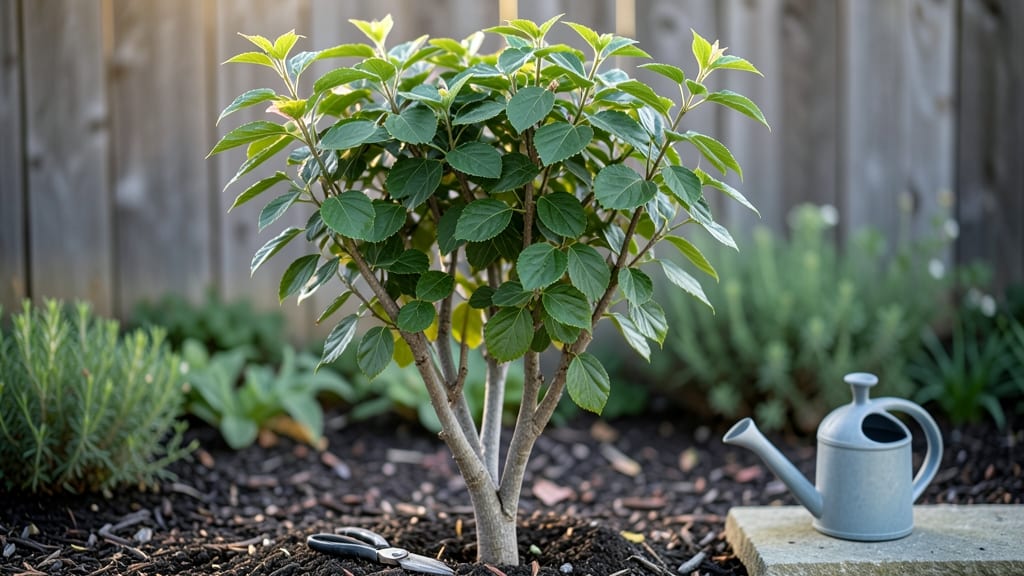
Your Rose of Sharon isn’t flowering—not even a single bloom—and here’s why. 🌿 After years of growing these hardy shrubs, I’ve seen the exact same signs: lush green growth but zero flowers. The good news? Most cases come down to just a few fixable issues.
The biggest culprits are sunlight deprivation, over-pruning, or nutrient imbalances. Rose of Sharon needs 6+ hours of direct sun daily to trigger blooming, and if you’ve been shearing it back too aggressively, it won’t have the energy to flower. Even age matters—young plants focus on root growth before blooming.
Start by moving it to a sunnier spot and pruning only in late winter/early spring. A balanced fertilizer in early spring will give it the boost it needs. Within 4-6 weeks, you’ll see buds forming if the plant is healthy.
This works for both young and mature shrubs, though older plants may need extra patience. The key is consistency—once you adjust care, blooms should return reliably. Let’s get those flowers back!
Common Causes Behind Leafy Vines
If your Hibiscus syriacus (Rose of Sharon) is putting out lush green leaves but refusing to bloom, don’t panic—there’s usually a logical explanation. This shrub is hardy and forgiving, but it needs specific conditions to trigger its stunning floral display.
Below, we break down the most common reasons why your Rose of Sharon might be acting like a leafy wall instead of a flowering star. 🌿🌸
The #1 reason for a leafy but non-flowering Rose of Sharon is lack of sunlight. While this shrub is adaptable, it thrives in full sun (6–8 hours daily). When deprived of adequate light, it prioritizes leaf growth over energy-intensive blooms.
Why it happens:
- Photosynthesis slowdown: In low-light conditions, the plant focuses on producing chlorophyll-rich leaves to maximize energy absorption, leaving little energy for flower buds.
- Shortened daylight hours: Rose of Sharon blooms in response to long daylight periods (typically late spring to summer). If planted in deep shade or an area with early evening shade, it may skip flowering entirely.
- Weakened dormancy signals: Insufficient light can disrupt the plant’s natural dormancy cycle, delaying or preventing the hormonal triggers needed for bud formation.
Actionable fix:
- Move your shrub to a sunnier location (south- or west-facing is ideal).
- If transplanting isn’t an option, prune nearby trees or structures to increase light exposure.
- Reflective surfaces (like white walls or mulch) can help bounce extra light onto the plant.
Too much of a good thing—especially nitrogen-heavy fertilizers—can turn your Rose of Sharon into a leaf-producing machine. While nitrogen fuels foliage growth, it suppresses flowering by encouraging vegetative growth over reproductive processes.
Why it happens:
- Hormonal imbalance: Excess nitrogen shifts the plant’s energy toward leaf and stem production, delaying or preventing the formation of floral meristems (the cells that develop into buds).
- Root stress: Over-fertilization can burn roots or disrupt microbial balance in the soil, further weakening the plant’s ability to bloom.
- Seasonal mismatch: Applying high-nitrogen fertilizer late in the growing season (after mid-summer) can stunt flower development for the following year.
Actionable fix:
- Switch to a balanced or low-nitrogen fertilizer (look for a ratio like 5-10-10 or 10-10-10).
- Avoid fertilizers with nitrogen as the first number (e.g., 30-0-0).
- Test your soil to check nitrogen levels—many garden soils already have enough.
- Feed lightly in early spring (just enough to support new growth) and avoid fertilizing after mid-summer.
Pruning at the wrong time or too aggressively can remove next year’s flower buds or stress the plant into a vegetative state. Rose of Sharon blooms on old wood (last year’s growth), so heavy pruning in late winter or early spring can cut off potential blooms before they even form.
Why it happens:
- Bud removal: Flower buds form on mature wood (stems from the previous year). Pruning back too hard in late winter or early spring can sever these buds entirely.
- Over-thinning: If you prune too many branches at once, the plant redirects energy to regrow lost structure, skipping flowering to prioritize survival.
- Delayed pruning: Waiting until after flowering season (late summer/fall) can leave the plant with no time to recover before winter dormancy, weakening next year’s bloom potential.
Actionable fix:
- Prune immediately after flowering (late summer to early fall) to avoid cutting off next year’s buds.
- Use the "selective thinning" method: Remove only dead, diseased, or crossing branches—never more than 1/3 of the plant’s total volume.
- Avoid heavy structural pruning in late winter (wait until after the plant has bloomed).
- Shape gradually: If your shrub is overgrown, prune lightly over 2–3 years to avoid shock.
Both underwatering and overwatering can disrupt the hormonal signals that trigger flowering. Rose of Sharon is drought-tolerant but hates soggy roots, and extreme moisture fluctuations can stress the plant into a survival mode—leaving no energy for blooms.
Why it happens:
- Drought stress: Underwatering reduces photosynthesis and limits nutrient uptake, forcing the plant to conserve energy for basic functions (like leaf production) over flowering.
- Overwatering/root rot: Waterlogged soil restricts oxygen to roots, weakening the plant’s overall health and delaying bloom signals (like ethylene and florigen hormones).
- Inconsistent moisture: Fluctuating soil moisture (e.g., drought followed by heavy rain) can shock the plant, causing it to prioritize root and leaf recovery over flowering.
Actionable fix:
- Water deeply but infrequently: Aim for 1–1.5 inches per week (more in extreme heat).
- Improve drainage: Amend heavy clay soil with compost or sand, and ensure the planting hole has a layer of gravel at the bottom.
- Avoid wetting foliage: Water at the base of the plant to prevent fungal issues that weaken growth.
- Mulch properly: Use 2–3 inches of organic mulch (like wood chips) to retain moisture and regulate soil temperature.
Young Rose of Sharon shrubs (under 3 years old) often focus on root and stem development before devoting energy to flowers. Even mature plants may take a year or two to recover from stress (like transplant shock or heavy pruning) before blooming again.
Why it happens:
- Establishment phase: For the first 2–3 years, the plant’s priority is expanding its root system to support future growth—flowering is a secondary goal.
- Delayed maturity: Some cultivars or slower-growing plants may take up to 5 years to reach full flowering potential.
- Post-stress recovery: After transplanting, disease, or severe pruning, the plant may skip a flowering cycle to rebuild energy reserves.
Actionable fix:
- Be patient: If your shrub is under 3 years old, it may simply need time to mature.
- Encourage root growth: In the first year, focus on watering and soil health to help the roots establish.
- Avoid heavy fertilizing or pruning in the first few years—let the plant grow naturally.
- Check for signs of stress: If the plant is
Revive Your Rose of Sharon’s Bloom
Now that you’ve pinpointed why your Hibiscus syriacus (Rose of Sharon) is throwing all its energy into leaves instead of flowers, it’s time to take action! Below are practical, step-by-step fixes tailored to the most common causes—plus prevention tips to keep your shrub blooming like a dream next season.
Problem: Your shrub isn’t getting enough sunlight, so it’s prioritizing leaf growth over flowers.
How to Fix It: 🔥 🌞 Move it to sunnier ground – If possible, transplant your Rose of Sharon to a spot that gets at least 6–8 hours of direct sunlight daily. Even partial shade (like morning sun + afternoon shade) can work, but full sun = more blooms. 🍳 🌿 Thin out competing plants – If nearby trees or shrubs are casting too much shade, prune them back or remove overgrown branches. 👨🍳 🌱 Use reflective surfaces – Place a light-colored wall, mirror, or even a white garden mulch near the plant to bounce extra sunlight onto its leaves.
Prevention Tip: 💡 Plant in the right spot from the start! Rose of Sharon thrives in full sun to partial shade—avoid deep, dense shade where it’ll struggle to bloom.
Problem: Overwatering or inconsistent moisture stresses the plant, leading to leafy but flowerless growth.
How to Fix It: 🔥 ⏰ Water deeply but less often – Instead of daily light watering, give your shrub 1–1.5 inches of water per week (more in extreme heat). Let the top 2–3 inches of soil dry out between waterings. 🍳 🌱 Improve drainage – If your soil stays soggy, amend it with compost or perlite to help water drain faster. A raised bed can also help. 👨🍳 🌿 Mulch like a pro – Apply 2–3 inches of organic mulch (like wood chips or straw) to retain moisture and regulate soil temperature.
Prevention Tip: 🌡️ Avoid soggy roots! Rose of Sharon hates "wet feet"—ensure your planting site has well-draining soil to prevent root rot.
Problem: Poor pruning habits (or none at all) encourage wild, leafy growth instead of structured flowering.
How to Fix It: 🔥 📅 Prune at the right time – The best time to prune is late winter or early spring (before new growth starts). Avoid heavy pruning in fall. 🍳 🌿 Cut back old wood – Remove 1/3 of the oldest stems (they’re less likely to bloom). Focus on thinning out crowded branches to improve airflow. 👨🍳 🌸 Encourage new growth – After pruning, fertilize lightly with a balanced, bloom-boosting fertilizer (like 10-10-10) to stimulate flowering.
Prevention Tip: ✨ Prune annually! Regular shaping keeps your Rose of Sharon healthy and flowering-heavy—don’t let it get too leggy.
Problem: Nutrient deficiencies (or too much fertilizer) throw off flowering.
How to Fix It: 🔥 📊 Use the right fertilizer – In early spring, apply a low-nitrogen, high-phosphorus fertilizer (like 5-10-5) to promote blooms, not just leaves. 🍳 🌱 Avoid over-fertilizing – Too much nitrogen = leafy monster, no flowers. Stick to monthly feedings in growing season, then stop in fall. 👨🍳 🍎 Add organic matter – Work compost or well-rotted manure into the soil in early spring to feed roots naturally.
Prevention Tip: 🎯 Test your soil! A simple soil test kit ($10–$20) tells you exactly what nutrients your Rose of Sharon needs—no guesswork.
Problem: Bugs, fungi, or bacteria are sapping energy meant for flowers.
How to Fix It: 🔥 🐜 Check for pests – Look for aphids, spider mites, or scale insects on new growth. Spray with neem oil or insecticidal soap if needed. 🍳 🌿 Treat fungal issues – If leaves have black spots or powdery mildew, prune affected branches and apply fungicide (or a baking soda spray for mild cases). 👨🍳 🌱 Improve airflow – Trim back dense foliage to reduce humidity (which pests and fungi love).
Prevention Tip: 🔥 Stay proactive! Healthy plants resist pests better—keep up with watering, pruning, and fertilizing to avoid problems.
Problem: Young plants or newly transplanted shrubs won’t bloom right away as they establish roots.
How to Fix It: 🔥 🌱 Give it 2–3 years – If your Rose of Sharon is newly planted, it may take 1–2 seasons to mature enough for heavy blooming. 🍳 🌿 Wait for maturity – Older shrubs (5+ years) bloom more reliably—if yours is young, hold off on heavy pruning until it’s established. 👨🍳 🌸 Celebrate small wins – Even if it’s not a flower explosion, healthy leaves mean next year’s blooms are on the way!
Prevention Tip: ✨ Plant mature shrubs if you want immediate color—look for 3–5-year-old specimens at nurseries.
Final Thought: 🌸 A Rose of Sharon that blooms like crazy isn’t magic—it’s science! With the right light, water, pruning, and care, your shrub will reward you with stunning flowers year after year. Try one fix at a time, and watch those buds appear! 🚀
Frequently asked questions
Why does my Rose of Sharon produce so many leaves but no flowers?
The most common reasons are insufficient sunlight (needs 6+ hours daily), excess nitrogen fertilizer (promotes leaves over blooms), or improper pruning timing. Young plants also focus on root growth first before flowering. Check your plant’s light exposure and fertilizer type first.
When is the best time to prune to encourage flowering?
Prune your Rose of Sharon immediately after flowering (late summer/early fall) to preserve next year’s buds. Avoid heavy pruning in late winter—this cuts off potential blooms since flowers form on old wood. Never remove more than 1/3 of the plant’s volume at once.
Can I force my Rose of Sharon to bloom if it’s not getting enough sun?
Yes, but it requires adjustments. Move it to a sunnier location (south or west exposure works best) or use reflective surfaces (white walls, mirrors) to bounce extra light. If transplanting isn’t possible, prune nearby shade sources. Give it 4-6 weeks in better light before expecting buds to form.
How do I know if my Rose of Sharon is too young to flower?
Most Rose of Sharon plants take 2-3 years to mature enough for heavy blooming. Look for new growth and established roots—if your plant is under 3 years old and healthy, it’s likely just focusing on growth. Older plants (5+ years) should bloom reliably unless stressed.
What fertilizer should I use to encourage flowers instead of leaves?
Switch to a low-nitrogen, high-phosphorus fertilizer (like 5-10-5 or 10-10-10) in early spring. Avoid high-nitrogen fertilizers (like 30-0-0)—they promote leafy growth. Apply lightly in spring and stop fertilizing after mid-summer to encourage blooming.