Pruning
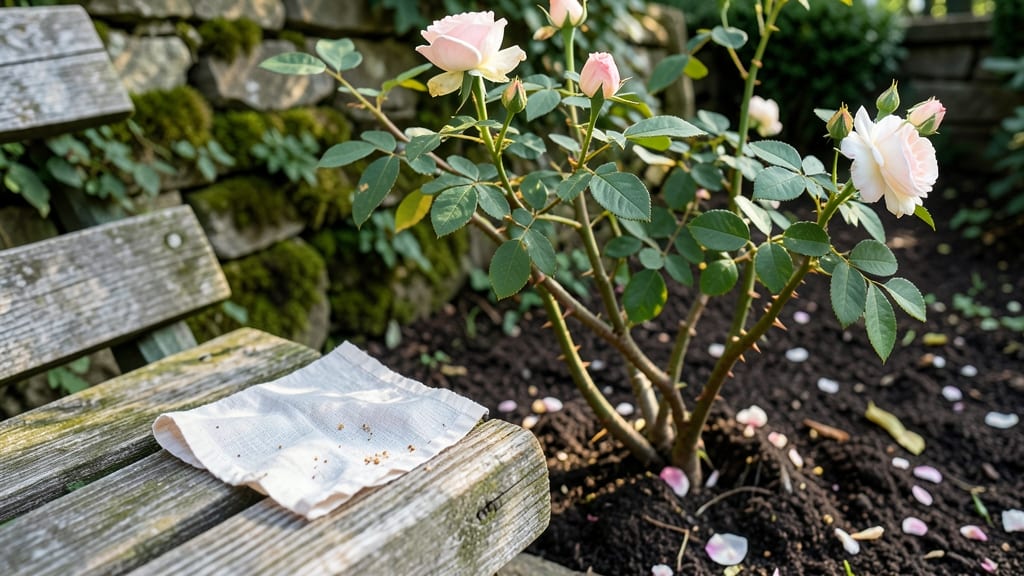
A rose bush allergy triggers reactions like sneezing, itchy skin, and watery eyes when exposed to pollen, thorns, or sap, often from pruning or brushing against blooms. Choose low-allergen varieties like 'Carefree Beauty' or 'Knock Out' roses to minimize symptoms.
Many people don't realize that rose bush allergies aren't just about pollen—the sap and tiny thorns can also cause skin irritation. 🌹 The oils in rose petals and stems act as irritants for some individuals, leading to hives or even asthma flare-ups in sensitive people.
I've seen gardeners with no pollen allergies develop rashes just from handling roses during peak bloom season.
To reduce risks, wear gloves when pruning and avoid working near roses during windy days when pollen spreads easily. Opting for double-flowered varieties (like 'Double Delight') can help since they produce less pollen than single-bloom types. Even hypoallergenic roses need regular care—deadheading spent blooms prevents pollen buildup on the ground.
💡 In This Article
- Identifying Rose Bush Allergy Triggers and Symptoms
- Hypoallergenic Rose Varieties and Garden Safety Tips
Identifying rose bush allergy triggers and symptoms
The primary culprits behind rose bush allergies are the plant's pollen, sap, and microscopic thorns. Rose pollen contains proteins like thaumatin-like proteins and profilin, which trigger immune responses in sensitive individuals.
These proteins are similar to those found in grass pollen but have unique molecular structures that can provoke reactions even in people who aren't allergic to other plants.
The sap, containing rosaceae family allergens, can cause contact dermatitis when it touches broken skin, while thorns often introduce these irritants deeper into the skin during handling.
Symptoms typically manifest within minutes to hours after exposure and include watery, itchy eyes, sneezing, nasal congestion, and skin rashes that resemble hives. Unlike seasonal allergies triggered by windborne pollen, rose allergies often occur from direct contact—whether through pruning, brushing against blooms, or even walking near heavily scented varieties.
The scent itself contains volatile organic compounds (VOCs) like linalool and geraniol, which can irritate respiratory systems in sensitive individuals. For example, the 'Queen Elizabeth' rose produces more pollen than 'Knock Out' roses, making it a higher-risk variety for allergy sufferers.
What makes rose allergies particularly tricky is how symptoms can vary based on the plant part involved. Handling thorns often leads to localized papular urticaria (small, raised skin bumps), while inhaling crushed petals during pruning can trigger asthma-like symptoms.
The sap's acidic nature (pH ~5.5) also increases irritation when it comes into contact with moist skin. Unlike hay fever from grass pollen, rose allergies frequently cause persistent skin reactions that can last for days, even after the initial exposure.
Diagnosing a rose allergy requires specific testing. Dermatologists often perform patch testing for contact dermatitis or skin prick tests for pollen sensitivity. Interestingly, some people develop allergies to roses only after repeated exposure—a phenomenon called sensitization. This explains why gardeners who've worked with roses for years suddenly develop reactions.
The immune system gradually becomes hypersensitive to the plant's proteins over time, much like how some people develop latex allergies after years of glove use.
One surprising fact is that rose allergies can cross-react with other plants in the Rosaceae family, including apples, peaches, and strawberries. This means someone allergic to roses might also experience oral allergy syndrome when eating these fruits.
The proteins in the plant's pollen and fruit skin share enough similarity that the immune system reacts to both. For example, biting into a peach might cause itchy mouth symptoms if you're sensitive to rose pollen.
The timing of exposure matters too. Rose pollen counts peak during early morning hours (5-10 AM) when humidity is high, making this the most dangerous time for allergy sufferers to work in gardens.
Even deadheading spent blooms can release trapped pollen, so it's best to wear a NIOSH-approved mask (like N95) when performing maintenance tasks. Understanding these patterns helps allergy sufferers plan their garden activities around safer times of day.