
Planting
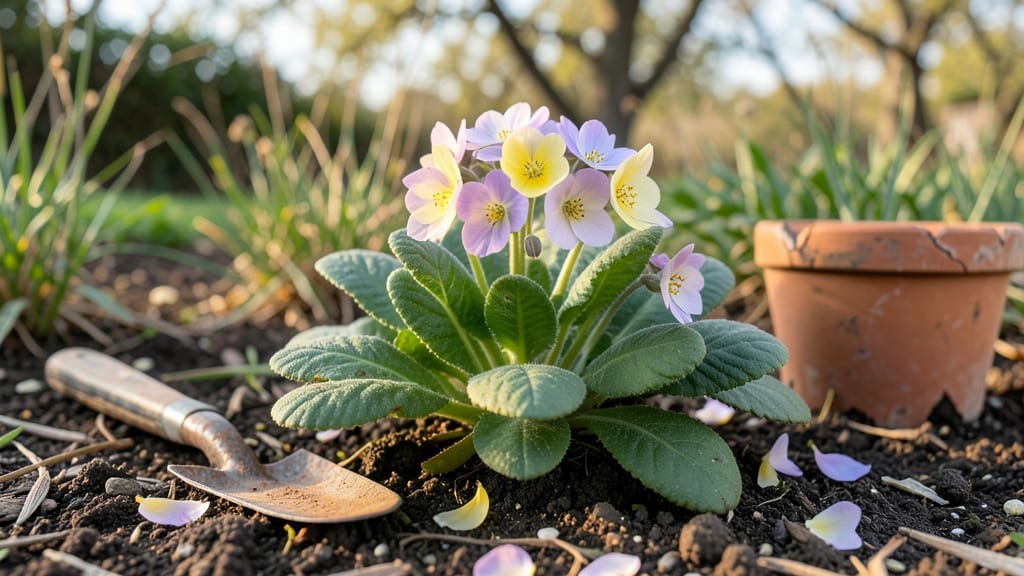
Primroses thrive in USDA hardiness zones 3 through 9, though exact cold tolerance varies by species—most common varieties like Primula vulgaris survive down to -30°F (-34°C) with winter mulch, while tender types need zone 7+ protection. Plant in well-draining soil and shelter from harsh winds for best results.
Understanding primrose hardiness zones helps you choose the right varieties for your climate. 🌱 Many gardeners in colder regions successfully grow primroses by selecting hardier species like Primula denticulata, which can handle -20°F (-29°C) with proper winter care.
The key difference lies in their root systems—some primroses develop deep roots that insulate against frost, while others need extra protection like thick mulch or microclimate spots near walls.
I’ve found that even in zone 4, a well-prepared garden bed with 3-4 inches of straw mulch can extend survivability for most primrose types.
For gardeners in transitional zones (5-6), container planting offers flexibility—you can move potted primroses indoors before the first hard frost or to a sheltered porch during extreme cold snaps. This method works particularly well for tender primroses that wouldn’t survive winter outdoors.
The trade-off? You’ll need to monitor soil moisture more carefully since containers dry out faster than in-ground plantings.
💡 In This Article
- Primrose Cold Tolerance: Species-Specific USDA Zone Breakdown
- Planting Primroses for Year-Round Survival in Cold Climates
Primrose cold tolerance: species-specific USDA zone breakdown
Primroses exhibit dramatic differences in cold hardiness depending on their species and origin. The hardiest varieties, like Primula denticulata (cushion primrose), can endure temperatures as low as -20°F (-29°C) in zones 3-4, thanks to their compact, woody-based growth habit that insulates the crown.
In contrast, Primula obconica (cyclamen primrose) is far more tender, surviving only to 20°F (-7°C) and requiring zone 7+ protection. This variation stems from their natural habitats—Alpine species evolved to withstand freezing winds, while tropical types lack cold-resistant adaptations.
The science behind this tolerance lies in their cellular structure.
Hardy primroses produce antifreeze proteins that prevent ice crystal formation in their tissues, similar to how some winter wheat varieties survive subzero temperatures. 🌡️ For example, Primula vulgaris (English primrose) achieves its -30°F (-34°C) rating through a combination of deep root systems that anchor moisture and a waxy leaf coating that reduces water loss.
Tender primroses, however, lack these adaptations and suffer cell damage when exposed to prolonged cold below 25°F (-4°C).
Winter mulching plays a critical role in extending survivability for marginal-zone gardeners. A 3-4 inch layer of straw or shredded leaves applied after the ground freezes creates an insulating blanket that can raise soil temperatures by 5-10°F during cold snaps.
For zone 5-6 gardeners, this technique often makes the difference between winterkill and successful regrowth. The mulch works by trapping air pockets that act as insulation, while also preventing soil heaving—a common issue with primrose roots in freeze-thaw cycles.
Chilling requirements also influence spring blooming success. Most primroses need 120-150 hours of temperatures below 40°F (4°C) to break dormancy and trigger flowering. This explains why primroses planted in warm microclimates (like near south-facing walls) may bloom erratically or produce fewer flowers.
Gardeners in zone 4 should prioritize species like Primula cortusoides, which thrives in cooler conditions and blooms reliably after 100 hours of chilling—making it ideal for shorter winters.
Consider these key factors when selecting primroses for your zone:
- Zone 3-4: Primula denticulata or Primula cortusoides with 4+ inches of mulch
- Zone 5-6: Primula vulgaris in sheltered spots with 3-inch mulch
- Zone 7+: Primula obconica or Primula malacoides (Chinese primrose)
For gardeners pushing the limits, container growing offers a middle ground. Potted primroses can be moved to unheated garages or porches during -10°F (-23°C) events, where they’ll survive with minimal stress. The trade-off is increased watering needs—containers lose moisture 2-3x faster than in-ground plantings during winter.