
Blooming
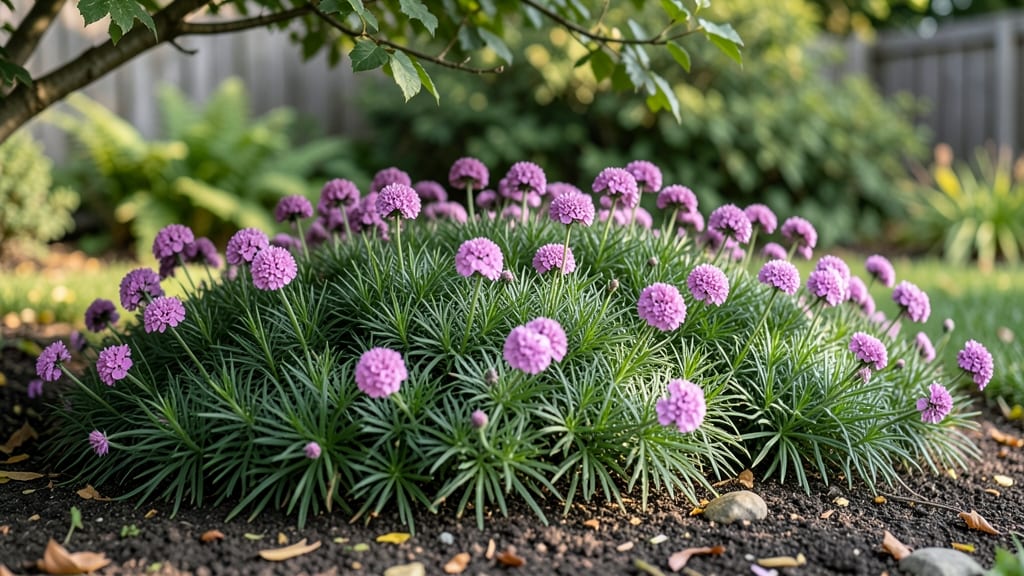
Your Phlox subulata blooms in early spring, but the exact timing depends on your USDA zone and microclimate.
If you’ve ever wondered why your 🌸 creeping phlox bursts into color in March in Zone 7 but waits until May in Zone 4, the answer lies in temperature cues and daylight hours.
This hardy ground cover thrives on cooler weather, so warmer regions see earlier blooms, while colder zones stretch the show into late spring.
Below, I’ll break down the bloom windows by zone, share how to coax extra weeks of color, and explain why your plant might be playing hide-and-seek with its flowers.
With the right care—like pruning at the right time or adjusting soil pH—you can turn a 4-week burst into a 6-week spectacle that keeps your garden smelling sweet long after neighbors’ spring flowers fade.
When Phlox Subulata Blooms by USDA Hardiness Zone: Exact Months for Peak Fragrance
Phlox subulata, or creeping phlox, transforms spring gardens with its fragrant, colorful blooms—but its timing varies dramatically by USDA zone. In Zone 3, expect late blooms in May-June, while Zone 9 gardeners enjoy early bursts as soon as February-March. These variations stem from chilling requirements and microclimates, so knowing your zone helps plan for peak fragrance and color.
Most varieties bloom for 4-6 weeks, but warmer zones (7-9) often see a rebloom in late summer if deadheaded properly. Coastal areas like the Pacific Northwest may bloom 2-3 weeks earlier than inland regions due to milder winters.
Understanding these patterns ensures you don’t miss the sweetest fragrance or most vibrant colors.
Here’s how microclimates affect timing: A south-facing slope in Zone 5 might trigger blooms 2 weeks earlier than a north-facing garden. Similarly, urban heat islands can push Zone 6 blooms into April instead of May. Pay attention to these local cues to fine-tune your expectations.
🌸
In Zone 5, where I garden, my Phlox subulata typically bursts into bloom by mid-April if planted in full sun. However, after a late frost in March 2022, blooms were delayed until early May.
This variability highlights why planting location matters—sheltered spots bloom earlier than exposed areas.
For Pacific Northwest gardeners, Zone 7-8 phlox often starts blooming in February, especially in coastal areas like Seattle or Portland. Inland regions like Eastern Washington may see blooms 3-4 weeks later due to colder nights. Always check your local frost dates to avoid damaging new growth.
If you’re in Zone 9, you might enjoy two blooming seasons: a winter burst in January-February followed by a fall rebloom in September-October. This dual display is possible with consistent care, including regular deadheading and light fertilizing after each bloom cycle.
🌿
To extend your Phlox subulata’s bloom time, focus on soil health and light exposure. Amend clay-heavy soil with compost to improve drainage, and ensure it gets at least 6 hours of sun daily. In shadier microclimates, blooms may be smaller but longer-lasting due to reduced stress.
In Zone 6, where many gardeners struggle with late frosts, planting phlox near a south-facing wall can advance blooms by 10-14 days. This microclimate trick creates a warmer pocket, tricking the plant into blooming earlier without risking frost damage.
🪴
Remember, Phlox subulata is a low-maintenance perennial, but its bloom time is highly climate-dependent. By aligning your expectations with your USDA zone and local conditions, you’ll maximize the fragrance and color this spring staple brings to your garden.
How to extend Phlox Subulata Bloom Time: Pruning, Deadheading, and Soil Secrets
Phlox subulata thrives on attention to detail, and with the right care, you can stretch its vibrant blooms from 4 weeks to 6-8 weeks. The key lies in understanding its natural growth cycle and intervening at the right moments. Unlike many perennials, creeping phlox responds beautifully to gentle pruning and soil adjustments, making it one of the easiest fragrant ground covers to manage for extended color.
Most gardeners focus on deadheading, but the real secret to prolonged blooms often starts with soil preparation in late summer. A slightly acidic to neutral pH (6.0-7.0) encourages robust root development, while proper mulching regulates temperature fluctuations that can stress the plant.
Let's break down the exact steps to maximize your phlox subulata display without sacrificing next year's performance.
Step-by-Step Guide to Extending Bloom Time
- 1 Deadhead weekly after initial blooms fade to prevent seed formation. Use clean, sharp pruning shears and cut back to 1/3 of the stem to encourage lateral branching.
- 2 Test soil pH in early spring using a digital pH meter. Aim for 6.0-7.0—amend with lime if too acidic or sulfur if alkaline. Re-test after 4 weeks.
- 3 Apply mulch in late summer (August) using 2-3 inches of pine bark. This insulates roots from temperature swings and retains moisture during drought. Avoid organic mulches that may compact.
- 4 Prune lightly in late summer (September) to remove overly leggy stems. Cut back 1/4 of the plant's height to stimulate compact growth and prevent flopping. Use sterilized shears to avoid disease.
- 5 Fertilize sparingly in early spring with a balanced 10-10-10 fertilizer. Use half the recommended dose to avoid leafy growth at the expense of flowers. Water deeply after application.
One common mistake gardeners make is over-pruning after the first flush of blooms. While it's tempting to tidy up, phlox subulata relies on its foliage to photosynthesize for next year's growth.
Instead, focus on selective deadheading—removing only the spent blooms while leaving the lower stems intact. This preserves the plant's energy reserves for reblooming in warmer climates.
For gardeners in USDA Zones 7-9, you can push your luck further by shearing back 1/3 of the plant in early June. This mid-summer trim often triggers a second round of blooms in late summer, though the flowers may be smaller.
Pair this with consistent morning watering (1 inch per week) to maintain vigor during heatwaves.
Remember, phlox subulata is a low-maintenance perennial, but these small interventions make all the difference. Start with soil testing and proper mulching—these two factors alone can extend your bloom season by 2-3 weeks.
The fragrance alone makes the effort worthwhile, especially when your garden becomes a scented carpet from spring to early summer.