
Blooming
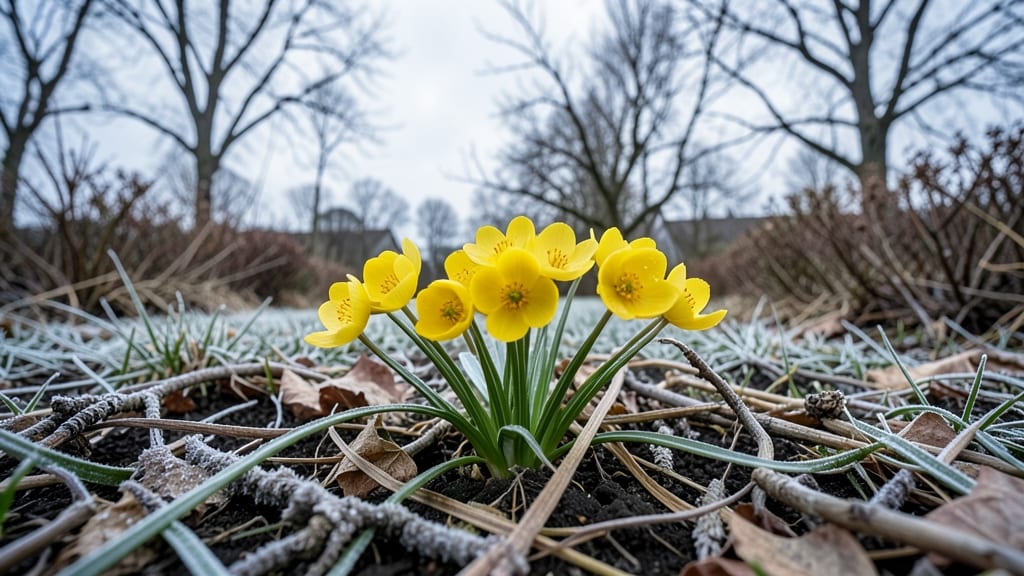
Early spring gardens often feel bare, but these 10 hardy perennials defy the chill with vibrant blooms that bring life back to your landscape. Perfect for cold climates and impatient gardeners, these plants thrive when most flowers remain dormant.
Crocus Flowers for Early Pollinator Support
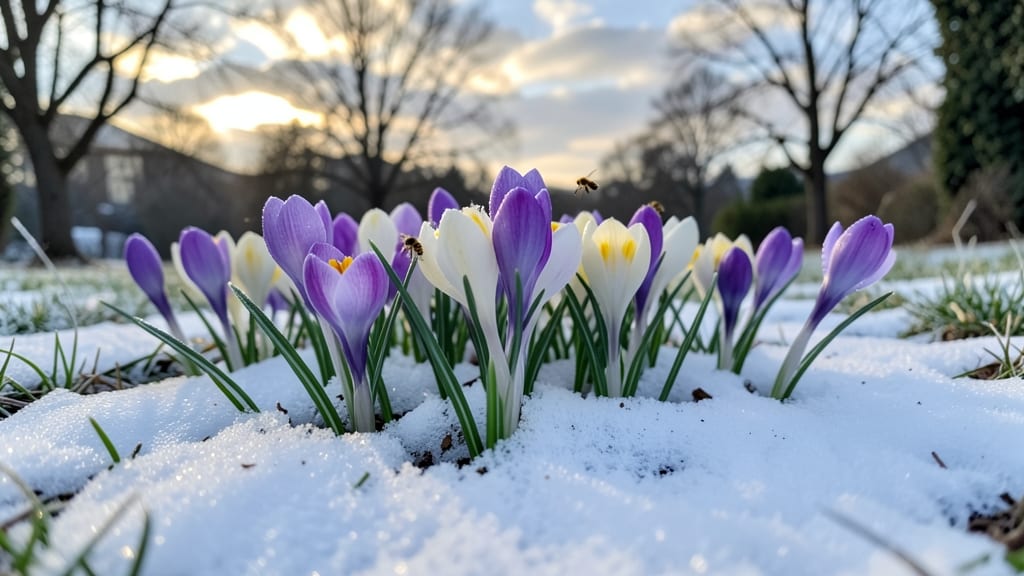
If you're eager to welcome pollinators as soon as the snow melts, crocus is your secret weapon. These hardy flowers often emerge through thin snow or early spring thaw, offering bees their first nectar source of the season while adding vibrant pops of purple, white, or yellow to your landscape.
Plant crocus bulbs in fall (4-6 weeks before frost) in well-drained soil with full sun to partial shade. They thrive in USDA zones 3-8 and naturalize beautifully in lawns or rock gardens, multiplying each year. For maximum impact, scatter bulbs in clusters of 10-15 for a dramatic early spring display.
Perfect for beginners, crocus requires almost no maintenance beyond planting—just enjoy their cheerful blooms and the buzzing pollinators they attract. 🌱
Bleeding Heart Plant with Delicate Pink Hues
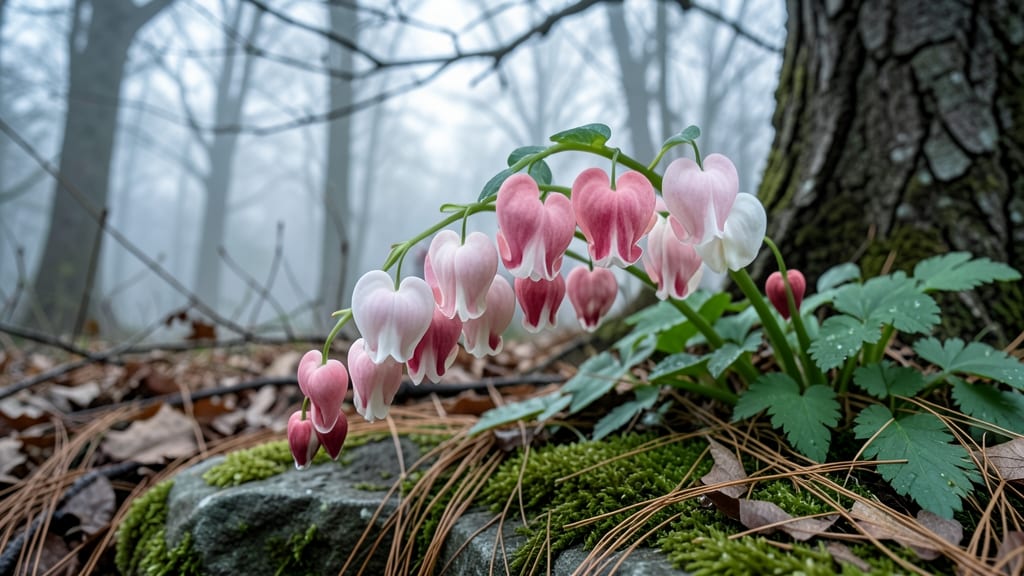
If you crave romantic, dreamy blooms that defy winter’s chill, the bleeding heart plant (Dicentra spectabilis) delivers cascading clusters of heart-shaped flowers in soft pink, white, or red. Unlike sun-loving perennials, this shade specialist thrives in woodland gardens or beneath mature trees where direct sunlight is scarce.
Plant in moist, well-drained soil enriched with compost, and expect blooms from late winter to early spring before foliage emerges. Deadhead spent flowers to encourage a second flush in summer, and protect from deer with a light fence—these delicate stems are irresistible to browsers. Its fern-like leaves add lush texture long after blooms fade, making it a year-round workhorse.
Urban gardeners and shade-lovers rejoice: bleeding hearts transform dull corners into whimsical focal points with minimal care. Pair with hellebores or ferns for a magical understory effect. 🌷
Snowdrops for Frost-Resistant Garden Beauty
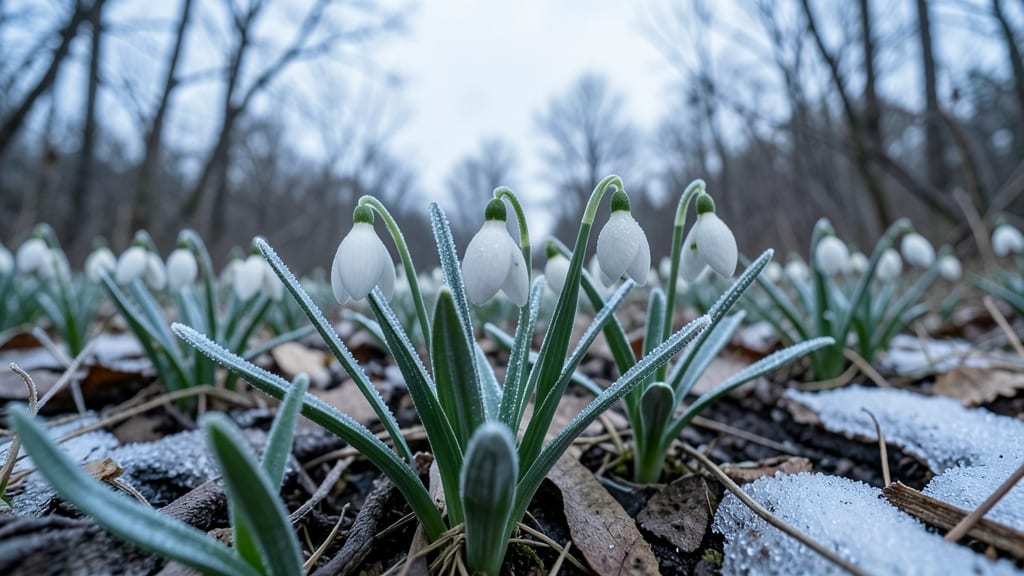
When winter feels endless, snowdrops (Galanthus) arrive like a whisper of hope—often blooming through snow or frost with their delicate white bells. These frost-resistant perennials thrive in USDA zones 3-9, making them ideal for early spring color in even the coldest climates.
Plant them in clusters of 9-12 bulbs for a natural woodland effect, or line pathways to create a magical early-season carpet of blooms. They prefer partial to full shade and well-drained soil, and their low maintenance makes them perfect for gardeners who want year-round interest with minimal effort.
Snowdrops symbolize renewal, making them a heartwarming addition to any garden. Whether you're a beginner or a seasoned gardener, these resilient flowers bring joy when the world is still gray. 🌱
Hellebore Flowers with Unique Bell Shapes
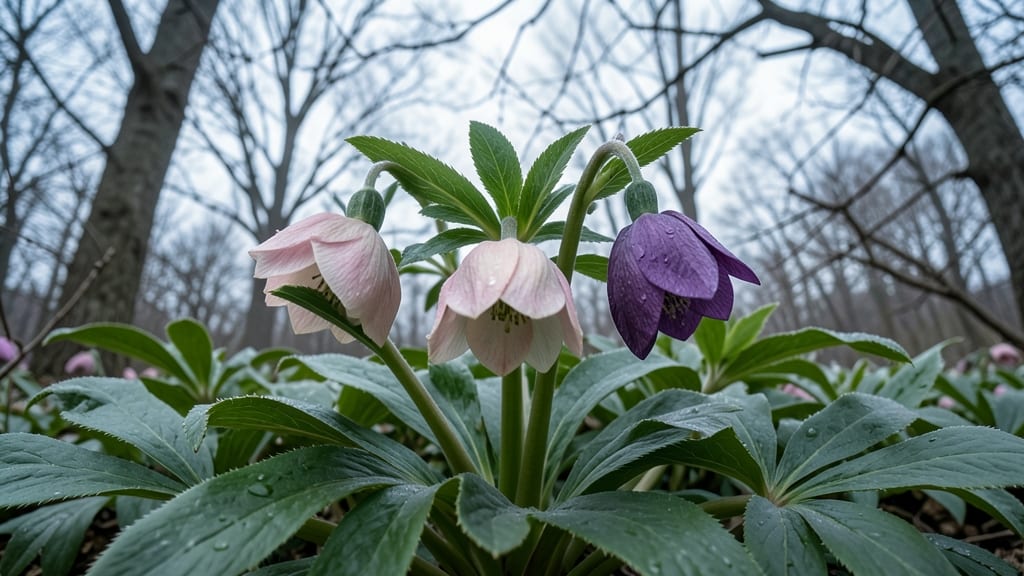
If you crave early spring color but struggle with sunny spots, hellebores (or Lenten roses) are your secret weapon. These elegant perennials thrive in shade, producing nodding bell-shaped blooms in white, pink, or deep purple—often starting as early as February in mild climates.
Unlike many spring flowers, hellebores don’t demand perfect sunlight—they flourish in partial to full shade and even tolerate dry shade once established. Their moist, well-drained soil preference makes them ideal for woodland gardens, under trees, or along north-facing foundations. With blooms lasting 4-6 weeks, they bridge the gap between winter and true spring.
Perfect for gardeners with shady spots or those who want low-maintenance elegance, hellebores also deter deer and rabbits. Plant them near hostas or ferns for a lush, layered look. 🌿
Daffodils for Bright Yellow Spring Color
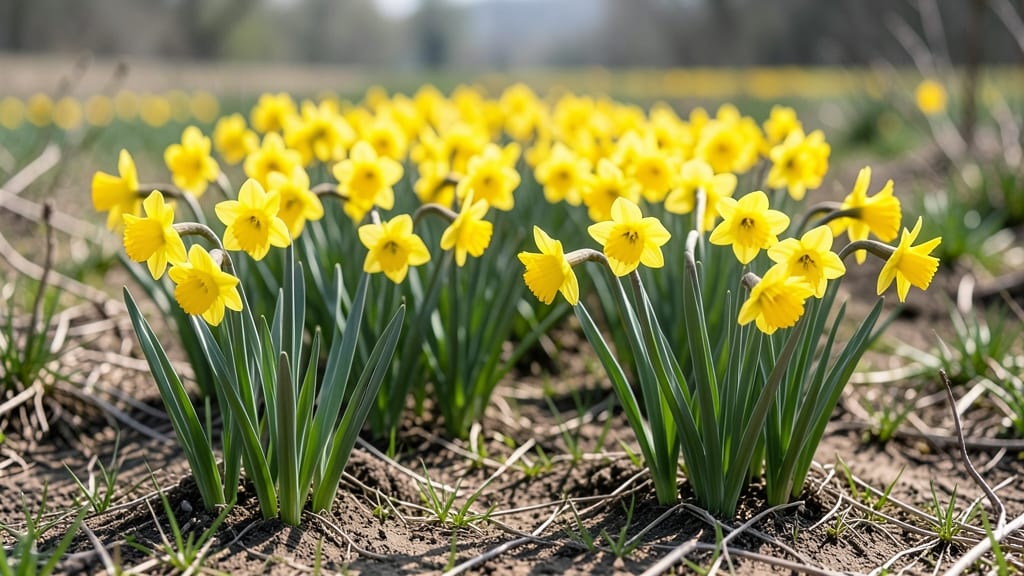
When you crave a bold splash of color that announces spring’s arrival, daffodils are your go-to perennial. Their bright yellow blooms cut through early-season drabness, offering cheerful contrast against still-dormant landscapes. Unlike delicate early bloomers, daffodils thrive in full sun to partial shade and tolerate cooler temperatures better than most spring flowers.
Choose between trumpet varieties (like 'Ice Follies') for dramatic height and structure or cup varieties (such as 'Tête-à-Tête') for compact, bushy forms perfect for borders. Plant bulbs in fall for year-round reliability—they naturalize beautifully in grassy areas, reducing lawn maintenance while adding seasonal interest. For maximum impact, mix heights by pairing tall trumpets with low-growing cup types.
These low-maintenance stars are ideal for beginners and busy gardeners alike, offering minimal care and maximum reward. 🌻
Pulsatilla or Pasque Flower for Wild Garden Appeal
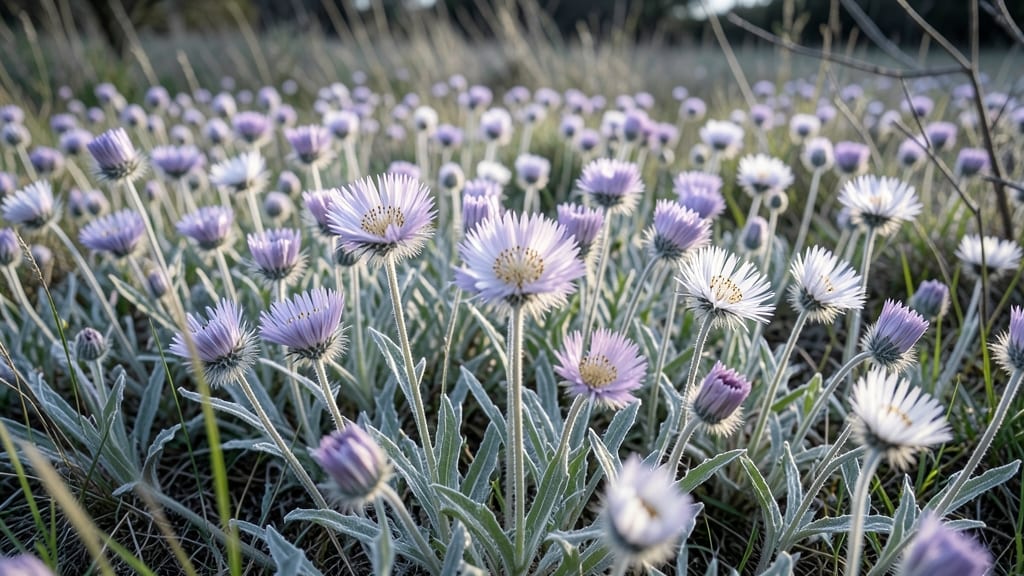
Want a wild, untamed look that still feels intentional? Pasque flowers (Pulsatilla) bring ethereal charm with their silky, silvery foliage and delicate cup-shaped blooms in purple, white, or blue—perfect for cottage or prairie-style gardens.
This hardy perennial thrives in full sun to partial shade and becomes drought-tolerant once established, making it ideal for low-maintenance spaces. Plant seeds in fall or early spring for blooms that appear in late spring, often when other perennials are still dormant. The airy, feathery seed heads add texture long after the flowers fade, extending seasonal interest.
Gardeners craving natural beauty with minimal fuss will love this understated star—it pairs beautifully with coneflowers, black-eyed Susans, or native grasses for a wild, romantic meadow vibe. 🌷
Primrose Flowers for Soft Pastel Blooms
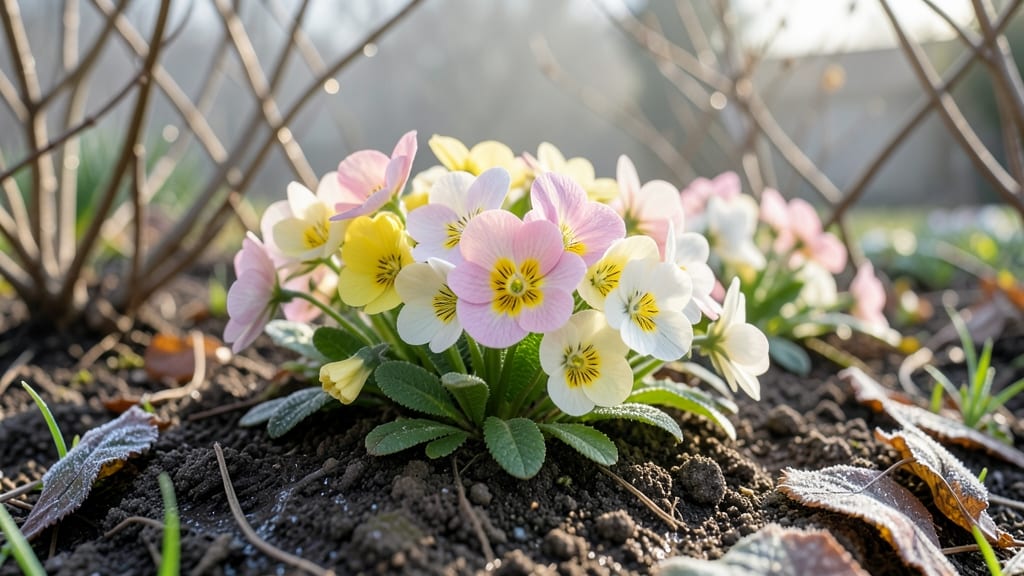
Looking for a splash of soft color when spring feels slow to arrive? Primrose flowers are your answer—these delicate blooms in pink, yellow, or white thrive in cool weather and bring cheerful pastels to your garden before most perennials even wake up.
Primroses love partial shade to full sun and prefer well-drained, moist soil, making them ideal for containers, hanging baskets, or woodland garden edges. Varieties like Oxlip or Cowslip produce clusters of blooms from late winter through early spring, often reblooming in fall. Deadhead spent flowers to encourage more blooms, and mulch around the base to protect roots from temperature swings.
Perfect for beginners or urban gardeners with limited space, primroses add textural contrast with their fuzzy leaves and bright flowers. Pair them with hellebores or snowdrops for a layered, low-maintenance spring display. 🌷
Allium Globemaster for Dramatic Spherical Blooms
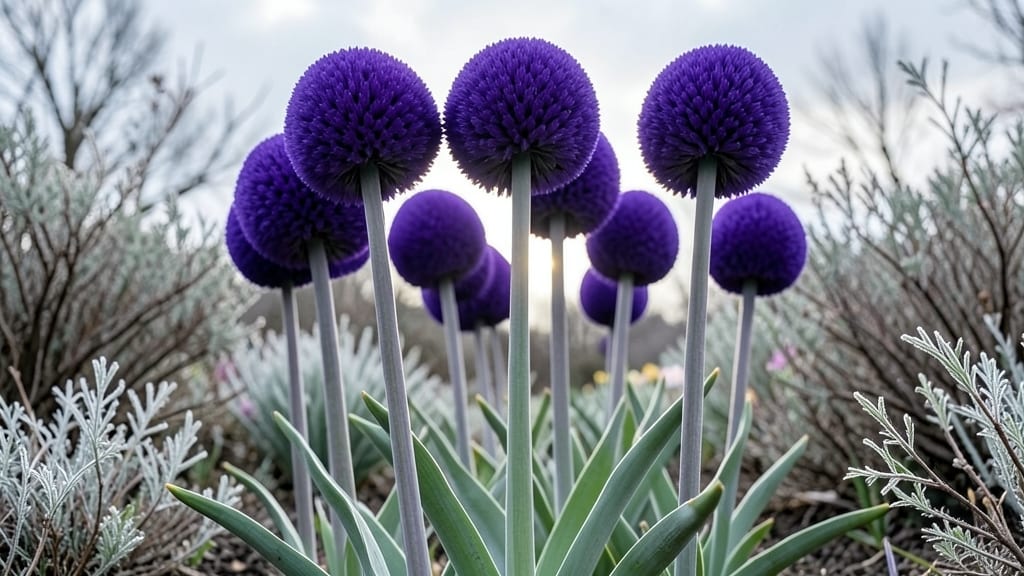
Looking for a dramatic focal point that commands attention in your early spring garden? The Allium Globemaster delivers with its striking purple globe-shaped blooms that resemble giant, velvety marbles. Unlike traditional flowers, these spherical blooms add height and texture while requiring minimal care.
This deer-resistant and drought-tolerant perennial thrives in full sun and well-drained soil, making it perfect for cutting gardens or mixed borders. Plant bulbs in fall for spring blooms that last 4-6 weeks, and enjoy long-lasting stems that hold up beautifully in vases.
Gardeners with busy schedules or wildlife concerns will appreciate its low-maintenance nature and pest resistance. Add it to your spring lineup for a bold, modern statement that’s as easy to grow as it is eye-catching. 🌟
Heuchera Coral Bells for Foliage and Flowers
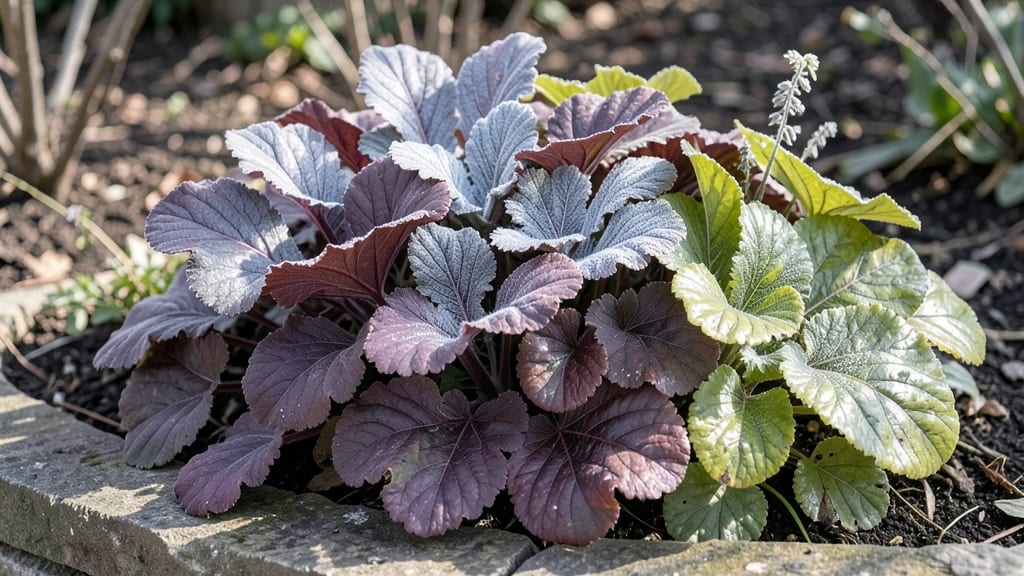
If you're looking for a perennial that delivers year-round visual interest—not just early spring color—heuchera (Coral Bells) is your secret weapon. While most plants sleep through winter, heuchera's striking foliage in shades of purple, silver, or chartreuse keeps your garden lively even when blooms are scarce.
This shade-loving plant thrives in partial to full shade, making it ideal for container gardens or rockeries where sunlight is limited. In early spring, it produces delicate white or pink flowers on wiry stems, adding a touch of elegance before summer foliage takes center stage. For best results, plant in well-draining soil and water consistently until established—after that, it’s remarkably low-maintenance.
Urban gardeners and small-space enthusiasts will love how heuchera fits into tight spots, while its decorative leaves provide a bold contrast to other early bloomers like hellebores or bleeding hearts. 💚
Winter Aconite for Golden Sunshine in Cold Months

When your garden still looks like a winter landscape and most perennials are playing dead, winter aconite (Eranthis hyemalis) bursts onto the scene with bright yellow blooms that seem to glow against the gray. This cheerful underdog thrives in late winter, often appearing before snowdrops or crocus, and spreads effortlessly to create a sunlit carpet of color.
Plant it in full sun to partial shade with well-drained soil—it’s surprisingly adaptable to rocky or sandy spots where other plants struggle. The low-growing habit (just 4-6 inches tall) makes it perfect for rock gardens, sunny borders, or even containers, while its self-seeding nature ensures more blooms each year. Just avoid soggy soil, as winter aconite despises wet feet.
This is the perfect low-maintenance pick for gardeners who crave early color without the fuss. Pair it with heuchera or hellebores for a layered look that keeps blooming from winter through spring. 🌻