
Shrubs
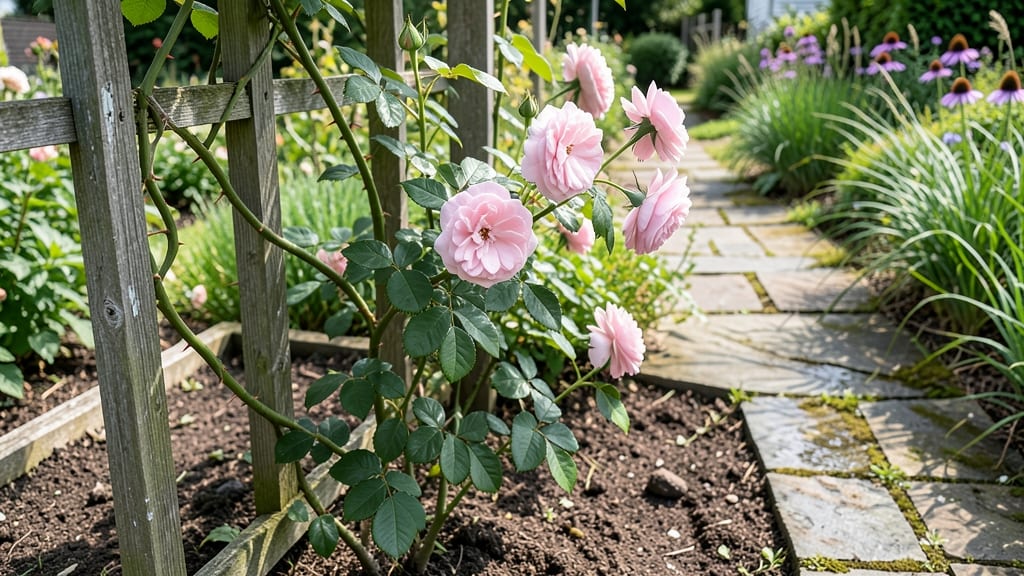
Proper Peggy Martin climbing rose care ensures your fragrant beauty won’t just look stunning—it’ll smell like a secret garden all season long. ✨ The key lies in fragrance-preserving trims that encourage nonstop blooms without sacrificing its signature sweet scent.
Unlike other roses, Peggy Martin rewards patience with clusters of velvety pink blooms that perfume the air for weeks. This variety thrives with 6+ hours of sunlight daily and well-draining soil rich in organic matter.
Water deeply once a week (more in extreme heat), and feed with a balanced rose fertilizer every 6 weeks starting in spring. The real magic happens in pruning: cut back one-third of old wood in late winter and deadhead spent blooms regularly to keep flowers coming.
By summer’s end, you’ll have a 10-15 foot fragrant canopy that attracts butterflies and hummingbirds. The secret? Prune lightly after major blooms fade to extend the season—just avoid heavy cuts in fall, as this rose blooms on both old and new wood. Works beautifully on arbors, trellises, or fences.
Here’s how to keep it blooming like a pro!
📚 In This Guide
- What you need
- Instructions
- Tips and common mistakes
- Wrapping up and next steps
What you need
- ● Peggy Martin climbing rose: 1 bare-root or potted plant (choose a healthy, disease-free specimen).
- ● Well-draining soil: 3–5 cubic yards of a mix of topsoil, compost, and perlite/sand (ratio: 60% topsoil, 30% compost, 10% perlite/sand).
- ● Organic fertilizer: 5–10 lbs of rose-specific fertilizer (e.g., 10-10-10 or organic options like fish emulsion or bone meal).
- ● Pruning tools: 1 pair of bypass pruners (sharp, clean, and sanitized with rubbing alcohol).
- ● 1 pair of loppers (for thicker stems).
- ● 1 pruning saw (for stubborn branches).
- ● Support structure: 1 sturdy trellis, arbor, or fence (at least 6–8 feet tall for climbing roses).
- ● Mulch: 2–3 bags of organic mulch (e.g., shredded bark or straw) to retain moisture.
- ● Watering can or hose: With a gentle spray nozzle to avoid damaging blooms.
- ● Rose food: Liquid or granular bloom booster (e.g., Miracle-Gro Rose Food) for extra fragrance and color.
- ● Epsom salt: 1–2 lbs to boost magnesium (dissolve 1 tbsp in 1 gallon of water, apply monthly).
- ● Rose collars or ties: Soft fabric strips to secure canes to the trellis gently.
- ● Fungicide: Copper-based or neem oil spray to prevent black spot (apply preventatively).
- ● Gloves: Heavy-duty gardening gloves to protect hands from thorns.
- ● Spray bottle: For misting leaves on hot days (keeps blooms fresh!).
How to care for a Peggy Martin climbing rose
This fragrant beauty rewards you with endless blooms—here's how to keep it thriving.
🌿 Step 1: Choose the Right Location
Peggy Martin roses need full sun—at least 6 hours daily—to produce their signature velvety blooms. I always place mine against a south-facing wall where it gets morning light and afternoon sun without harsh midday glare. The fragrance develops best when the plant gets consistent warmth.
Check your spot by observing how much light it receives. If leaves start yellowing or blooms appear sparse, your rose isn't getting enough sun. Move it closer to a sunny window or relocate the trellis to a brighter area. This rose loves warmth but can tolerate light frosts once established.
✂️ Step 2: Prune for Fragrance and Continuous Blooms
Here's the key to Peggy Martin's nonstop blooms: prune after each flush of flowers. When you see spent blooms, cut back to the first healthy leaf below the bloom cluster. This encourages new growth and more flowers. I use clean, sharp pruners and make cuts at a 45-degree angle just above a leaf node.
Don't over-prune—this rose blooms on both old and new wood. In late winter, do a light shape-up by removing dead or crossing branches. The goal is to maintain an open center so air circulates and prevents disease. Watch for new buds forming along the stems after pruning—that's your sign you're doing it right.
💧 Step 3: Water Deeply and Consistently
Water your Peggy Martin rose deeply once a week rather than light daily waterings. This encourages deep root growth. I water in the morning so the foliage has time to dry before evening. The soil should be damp but not soggy—stick your finger in about 2 inches deep to check.
This rose is drought-tolerant once established, but during hot spells, you might need to water twice weekly. Yellowing leaves usually mean overwatering, while crispy edges signal underwatering. Mulch around the base with 2-3 inches of organic mulch to retain moisture and regulate soil temperature.
☀️ Step 4: Feed for Strong, Fragrant Blooms
Feed your rose with a balanced rose fertilizer (10-10-10) every 4-6 weeks during the growing season. I start in early spring and continue until late summer. The key is consistency—don't skip feedings or you'll get fewer, smaller blooms. Always water before and after fertilizing to prevent root burn.
For extra fragrance, I add a handful of Epsom salt (magnesium sulfate) to the soil once a month. This boosts chlorophyll production and makes the blooms more fragrant. You'll notice the difference in just a few weeks—richer color and a more intense scent that fills your garden.
🪴 Step 5: Support and Train the Climbing Structure
Peggy Martin needs strong support to handle its heavy blooms. Install a 5-6 foot tall trellis, arbor, or fence post near your planting spot. Tie the main stems to the support using soft plant ties or strips of old t-shirt. As new growth appears, gently weave it through the structure to encourage upward growth.
This rose grows 3-5 feet per year, so you'll need to train it regularly. Prune any stems that grow away from the support to keep the plant focused on climbing. The more you train it, the more dramatic the display will be. You'll see long, arching stems covered in clusters of blooms by mid-summer.
Tips & tricks for perfect Peggy Martin climbing rose care
These simple secrets will help you coax the most fragrant, continuous blooms from your Peggy Martin climbing rose.
Sunlight Strategy: If your rose isn't getting the full 6 hours of sunlight it needs, try moving it to a different location during the day. I've seen roses placed against south-facing walls thrive better than those in open garden beds, as they get morning warmth and afternoon light without harsh midday glare. Consider using reflective surfaces like light-colored walls or mirrors to bounce extra light onto the plant during cloudy days.
Pruning Precision: When you're pruning after each flush of blooms in Step 2, look for the first healthy leaf below the spent bloom cluster—this is your cutting point. I always make my cuts at a 45-degree angle just above a leaf node to prevent water from pooling on the cut. This technique helps the rose heal faster and encourages new growth right where you want it. Remember, the goal is to maintain an open center for airflow, not to drastically reduce the plant's size.
Watering Wisdom: The once-a-week deep watering in Step 3 is crucial, but timing matters just as much. Watering in the morning gives the foliage time to dry before evening, which helps prevent fungal diseases like black spot. I test soil moisture by sticking my finger about 2 inches deep—if it feels dry, it's time to water. During heatwaves, you might need to water twice weekly, but always let the top 2 inches dry out between waterings to encourage deep root growth.
Fragrance Boost: That monthly handful of Epsom salt in Step 4 isn't just a suggestion—it's a game-changer for fragrance. The magnesium helps boost chlorophyll production, which directly translates to more intense floral scents. I mix it right into the soil around the base of the plant, and within a few weeks, you'll notice the blooms smell even more intoxicating. This is especially helpful if you're growing your rose in slightly alkaline soil, which can sometimes mute fragrance.
Pro Tips for Peggy Martin Climbing Rose Care
- These simple secrets will help you coax the most fragrant, continuous blooms from your Peggy Martin climbing rose.
- Sunlight Strategy: If your rose isn't getting the full 6 hours of sunlight it needs, try moving it to a different location during the day.
- Pruning Precision: When you're pruning after each flush of blooms in Step 2, look for the first healthy leaf below the spent bloom cluster—this is your cutting point.
Frequently asked questions
How often should I prune my Peggy Martin climbing rose to keep it fragrant?
Prune your Peggy Martin 2-3 times per year: once in late winter (before new growth starts), again after the first flush of blooms (to encourage more flowers), and lightly after each major bloom cycle to maintain fragrance. Avoid heavy pruning in fall—it can stress the plant. Pro tip: Use clean, sharp shears to prevent disease!
Can Peggy Martin roses survive winter in cold climates?
Yes! These hardy roses can handle USDA Zones 4-9 with proper prep. Mulch heavily (4-6 inches of straw or shredded leaves) around the base after the first frost, and wrap the canes loosely in burlap or rose cones. In Zone 4 or colder, consider burying the plant with soil up to the graft union for extra protection.
What pests or diseases should I watch for on Peggy Martin roses?
Keep an eye out for aphids, spider mites, and Japanese beetles (they love fragrant roses!). For diseases, black spot and powdery mildew are common. Preventative care: Space plants for airflow, water at the base (not leaves), and spray neem oil early in the season. If issues arise, prune infected parts immediately and treat with fungicide.
Can I grow Peggy Martin roses in containers? What’s the best setup?
These climbing roses thrive in large containers (15+ gallons) with well-draining soil and support trellises. Use a mix of potting soil + compost + perlite for aeration. Key tips:
- Choose a container with drainage holes to avoid root rot.
- Fertilize monthly with a balanced rose food during growing season.
- Move pots to partial sun in winter if temps drop below 20°F.
Why aren’t my Peggy Martin roses blooming as much as they should?
Several factors could be at play:
- Over-pruning: If you cut back too aggressively, the plant focuses on new growth, not blooms. Stick to 1/3 of the plant’s height max per prune.
- Lack of sunlight: These roses need 6+ hours of direct sun daily. If shaded, blooms will be sparse.
- Nutrient deficiency: Yellow leaves? Test soil pH (ideal: 6.0-6.5) and amend with rose-specific fertilizer.
- Stress: Overwatering, pests, or sudden temperature swings can halt flowering. Monitor closely!
Wrapping up and next steps
Caring for your Peggy Martin climbing rose is all about a little patience, regular attention, and a love for its stunning blooms! With the right tools, proper pruning techniques, and a commitment to fragrance-preserving trims, you’ll enjoy nonstop, fragrant flowers that bring joy to your garden year after year. 🌸
Ready to take the next step? Grab your pruners, schedule your first trim session, and watch your climbing rose thrive with confidence. Happy gardening!