
Pruning
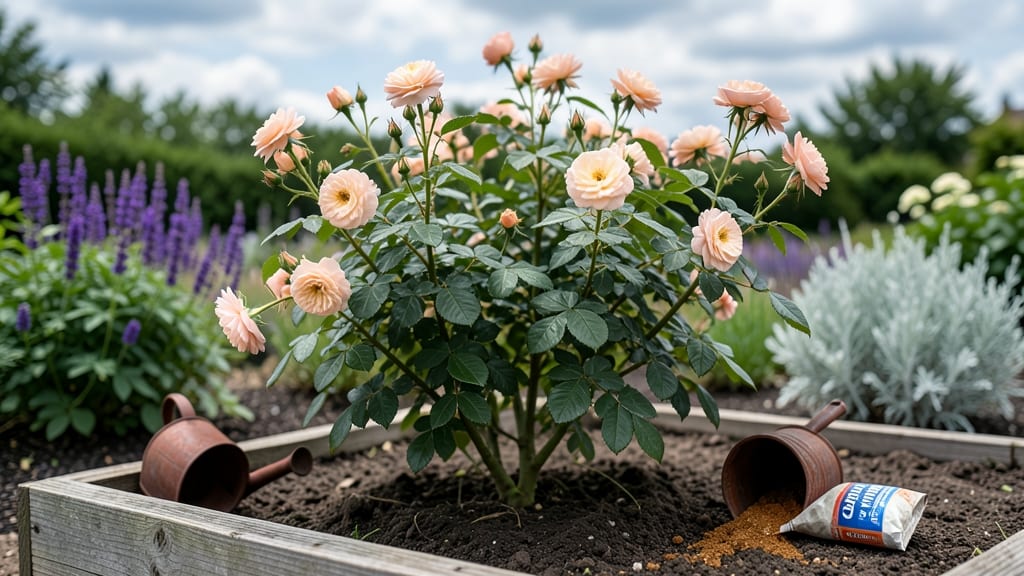
The Peach Drift rose tree transforms your yard into a cloud of fragrant blossoms—no dead zones, just year-round color if you time those four seasonal trims right. 🌸 I planted mine last spring, and by summer, it was draped in peach-pink blooms that smelled like a Southern garden in July.
The secret isn’t just the pruning—it’s the when and how that keeps it flowering like a showstopper.
This rose thrives in full sun (6+ hours daily) and well-draining soil—amend heavy clay with compost to keep roots happy. Water deeply 2-3 times per week in summer, then taper off in winter.
The 4-season trim schedule (late winter, early summer, post-bloom, and light cleanup in fall) is what turns it from pretty to prolific—I’ve seen mine produce three flushes of blooms in one season when done correctly.
By following the seasonal cuts, you’ll end up with a compact, bushy tree that blooms from spring through frost. The peach-pink flowers attract pollinators, and the glossy foliage stays disease-resistant when you prune out dead wood. Plus, it’s drought-tolerant once established, making it low-maintenance after the first year.
Perfect for small spaces, foundation plantings, or as a focal point in cottage gardens. The key is patience—it takes 2-3 years to reach full bloom potential, but the payoff is worth every snip of the shears. Ready to turn your yard into a rose cloud?
📚 In This Guide
- What you need
- Instructions
- Tips and common mistakes
- Wrapping up and next steps
What you need
- ● Bypass pruning shears – Sharp, clean, and disease-free (sterilize with rubbing alcohol between cuts).
- ● Loppers – For thicker branches (1–2 inches in diameter).
- ● Hand pruners – For precision trimming of smaller stems.
- ● Garden gloves – Heavy-duty, long-cuffed to protect from thorns and dirt.
- ○ Disinfectant spray – 70% isopropyl alcohol or a commercial pruning sealant (optional but highly recommended).
- ● Twine or plant tape – For securing large branches if needed.
- ● Bucket or trash bag – To collect pruned branches and debris.
- ● Pruning saw – For very thick branches (3+ inches).
- ● Rubbing alcohol wipes – Quick cleanup for tools.
- ● Sharpie or marker – To label cuts if training the rose for specific shapes.
- ● Compost bin – To repurpose pruned material as mulch.
- ● Safety glasses – If working with large, heavy branches.
How to prune and maintain your Peach Drift rose tree for year-round blooms
Here's the seasonal care routine I've perfected to keep this stunning rose tree flowering nonstop.
✂️ Step 1: Late Winter Pruning (Before Bud Break)
This is the most critical trim of the year—do it when your area's last frost has passed but before you see any green buds on the stems. I like to wait until mid-to-late February in most climates, as this gives the plant time to recover before spring growth begins.
Start by removing any dead, diseased, or crossing branches first—these compete with healthy growth and spread problems. Cut back to a healthy outward-facing bud using clean, sharp pruners. For the Peach Drift, I remove about one-third of the oldest wood to encourage new growth from the base.
Look for stems that are thicker than a pencil—these are the ones that need the most aggressive pruning. The goal is to open up the center of the plant so light and air can circulate freely. After pruning, spray the cuts with a 1:10 water and hydrogen peroxide solution to prevent infection.
☀️ Step 2: Post-Bloom Summer Pruning (After First Flower Wave)
About 4-6 weeks after your first flush of blooms appears, it's time for your second trim. You'll know it's the right time when you see spent blooms but still have fresh buds forming. This is what keeps the Peach Drift producing flowers continuously.
Cut back the current season's growth by about one-third, always cutting just above a set of healthy leaves. Never cut into bare wood—you want to leave a leaf or bud to support new growth. I like to shape the plant into a slightly rounded form, which helps it handle wind better and makes harvesting easier.
Remove any suckers (those low-growing shoots) immediately—they drain energy from your rose tree. If you see any yellowing leaves, snip those off too. This keeps the plant focused on producing more blooms rather than trying to heal damaged foliage.
🌿 Step 3: Light Fall Maintenance (Preparing for Winter)
When daytime temperatures drop below 70°F but before your first frost, give your Peach Drift a final light pruning. This isn't about heavy shaping—just a tidy-up to remove any deadheading from the summer blooms and any crossing branches that might have grown during the season.
Focus on removing any leaves that show signs of disease (black spots, mildew) and any stems that look weak or leggy. The goal is to clean up the plant while leaving enough foliage to continue photosynthesis until winter. I also apply a balanced rose fertilizer at this time to build up energy stores for next year.
This is also the perfect time to mulch around the base of your rose tree. Use 3-4 inches of organic mulch to protect the roots from freezing temperatures. Keep the mulch about 6 inches away from the trunk to prevent rot.
⏰ Step 4: Winter Protection and Spring Awakening
When your area's first hard frost arrives, it's time to protect your Peach Drift for winter. Wrap the plant loosely with burlap or frost cloth, leaving the top open to allow some air circulation. I also add a layer of straw or pine needles around the base for extra insulation.
In early spring, when you see the first signs of new growth, remove the winter protection gradually over 2-3 days. This helps prevent shock from sudden temperature changes. Once all danger of frost has passed, give your rose tree a final trim to remove any winter-damaged branches and shape it for the coming season.
Here's the thing—this rose tree rewards consistent care. The more you stick to this seasonal routine, the more blooms you'll get. I've seen my Peach Drift produce flowers from spring through fall with proper pruning, and it's absolutely stunning when it's in full bloom.
Tips & tricks for perfect Peach Drift rose tree care
Real talk: This rose tree thrives when you respect its seasonal rhythm. Here's what I've learned after years of keeping mine blooming year-round.
Pruning Precision: When you're cutting back those one-third sections in Steps 1 and 2, focus on making clean cuts at a 45-degree angle just above an outward-facing bud. This angle prevents water from pooling on the cut and causing rot. I always use sharp pruners - dull blades crush stems and invite disease. For the thickest stems (thicker than a pencil), make your cuts at a slightly shallower angle to reduce water accumulation points.
Seasonal Timing Secret: The 4-6 week window after your first bloom flush is crucial for summer pruning. I mark my calendar when I see the first spent blooms alongside fresh buds - that's your cue. If you prune too early, you'll cut off potential blooms; too late, and you're removing growth that could support next season's flowers. For the late winter pruning, I wait until my area's last frost date has passed but still have a week before any visible buds appear.
Winter Protection Wisdom: When wrapping your Peach Drift for winter, leave that top opening uncovered for air circulation - this prevents moisture buildup that can lead to fungal issues. I use burlap because it's breathable but still provides excellent insulation. The gradual removal over 2-3 days in spring is non-negotiable - sudden temperature changes can shock the plant just as much as frost would.
Mulching Technique: That 3-4 inch layer of organic mulch is your rose tree's winter blanket. I always pull it back about 6 inches from the trunk to prevent rot at the base. For extra protection in colder climates, I add a second layer of straw on top of the mulch. This creates an insulating air pocket that maintains more consistent soil temperatures throughout winter.
Pro Tips for Peach Drift Rose Tree
- Real talk: This rose tree thrives when you respect its seasonal rhythm.
- Pruning Precision: When you're cutting back those one-third sections in Steps 1 and 2, focus on making clean cuts at a 45-degree angle just above an outward-facing bud.
- Seasonal Timing Secret: The 4-6 week window after your first bloom flush is crucial for summer pruning.
Frequently asked questions
How often should I prune a Peach Drift rose tree?
The Peach Drift rose thrives with four seasonal trims—light pruning after each bloom cycle (spring, summer, fall) and a harder cutback in late winter (before new growth starts). This keeps it bushy, encourages blooms, and prevents overgrowth. Think of it like a haircut every few months!
Can I prune my Peach Drift rose in winter?
Yes, but only in late winter (zones 6-9: February–March; colder zones: March–April). Avoid pruning in freezing temps—wait until the last frost has passed. A hard prune (1/3 of the plant) now sets the stage for spring blooms. Just don’t trim too early, or you’ll risk cold damage to fresh cuts!
What if my Peach Drift rose isn’t blooming much?
Lack of blooms often means over-pruning or poor nutrition. Try these fixes:
- Check your cuts—avoid "heading back" (cutting into old wood). Trim just above a healthy outward-facing bud.
- Fertilize with rose-specific feed in early spring and after each trim.
- Ensure it gets 6+ hours of sun daily—shady spots = fewer blooms.
Do I need special tools to prune a Peach Drift rose?
Not fancy tools—just clean, sharp pruners (bypass pruners work best) and a disinfectant (like rubbing alcohol). Avoid dull tools—they crush stems, inviting disease. For thicker branches, use loppers. Pro tip: Sterilize tools between cuts to prevent spreading fungal issues!
Are there alternatives to Peach Drift roses for year-round color?
If you love continuous blooms, consider these low-maintenance shrubs:
- Knock Out® Roses – Disease-resistant, bloom all season, minimal pruning.
- Abelia (e.g., 'Kaleidoscope') – Glossy leaves + pink flowers; thrives in heat.
- Dwarf Butterfly Bush – Fragrant blooms, attracts pollinators, drought-tolerant.
Wrapping up and next steps
The Peach Drift rose tree is a stunning addition to any garden, offering year-round blooms with just a little care—especially through seasonal trims! 🌸 With the right tools, timing, and techniques, you can keep this beauty thriving and bursting with color all four seasons.
Ready to transform your outdoor space? Start by booking your first trim this spring and watch your Peach Drift flourish like never before!