
Shrubs
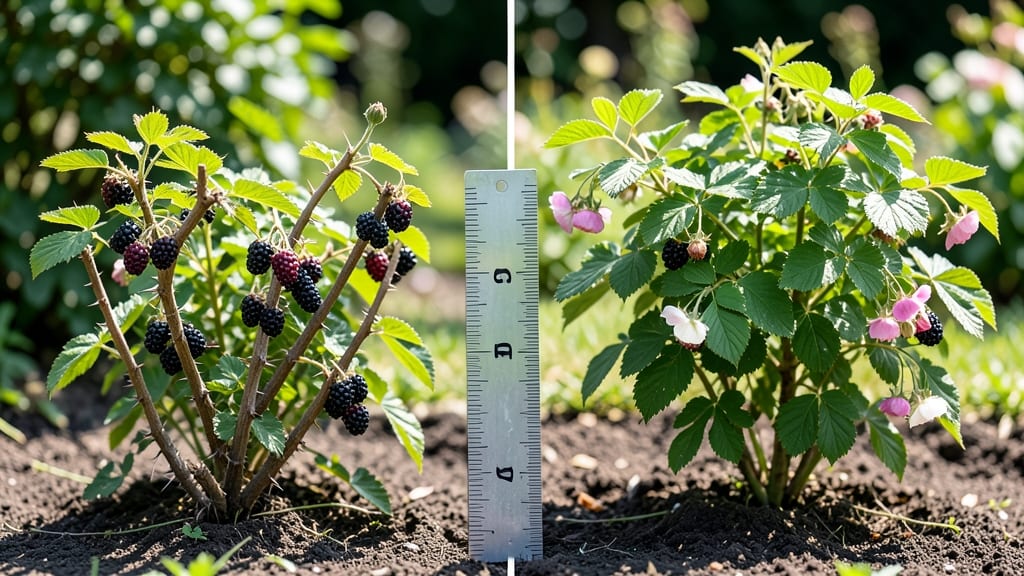
When choosing between multiflora roses and blackberries for your garden border, you're picking between two powerhouse climbers that do very different jobs. ✨ Both thrive in full sun and well-drained soil, but their growth habits and care needs couldn't be more different—one's a floral showstopper, the other a fruiting machine.
Multiflora roses grow aggressively, arching gracefully while producing clouds of fragrant blooms in spring. They need minimal pruning but can spread quickly, making them ideal for quick privacy screens or trellis climbs.
Blackberries, on the other hand, demand annual pruning to control their sprawl and boost fruit production, but they reward you with juicy berries by late summer.
Here's the trade-off: roses offer year-round interest with their striking thorny canes and seasonal blooms, while blackberries deliver edible rewards—but only if you're willing to wrestle with their thorns and aggressive roots. Both can be invasive if left unchecked, so plan your planting spots carefully.
For a low-maintenance floral wall, go with multiflora roses. For a productive border that doubles as a snack source, blackberries win—but be ready for the battle of the thorns. Either way, you'll transform your garden into a lush, living border that does double duty.
The first product explained
Meet the Rosa multiflora—the underdog superstar of garden borders! 🌸💥 Known as the "Japanese Rose" or "Cherokee Rose," this hardy, fast-growing shrub is a powerhouse for privacy screens, wildlife support, and low-maintenance beauty. Let’s break down why it’s a top contender in the multiflora rose vs blackberry battle.
📏 Specs & Features
This shrub doesn’t mess around—it’s built for resilience and speed! Here’s what sets it apart:
- Growth Rate: Aggressive! Expect 6–10 feet tall and wide in just 2–3 years—perfect for quick privacy.
- Hardiness: Thrives in USDA Zones 4–9, handling frost, drought, and even urban pollution like a champ.
- Flowers: Clusters of pink-white blooms in spring, followed by red hips (loved by birds!).
- Foliage: Glossy, deep green leaves that stay vibrant year-round.
- Thorns: Sharp and dense—great for deterring pests but be cautious when pruning!
- Wildlife Magnet: Supports butterflies, bees, and birds with its flowers and hips.
🎯 Target Users
Who’s this shrub for? Rosa multiflora is ideal for:
- Homeowners wanting fast-growing, natural privacy screens (think fences or hedges!).
- Eco-conscious gardeners who love low-maintenance, wildlife-friendly plants.
- Urban gardeners in tough climates (it’s tougher than it looks!).
- Landscapers needing a budget-friendly, versatile shrub for erosion control or borders.
💰 Price Point
Affordability meets performance! Rosa multiflora is one of the most cost-effective options in the multiflora rose vs blackberry showdown:
| Form | Price Range (USD) | Notes |
|---|---|---|
| Bare-root plants (1–3 ft) | $10–$25 | Best for large-scale planting; shipped dormant. |
| Container-grown (3–5 ft) | $25–$40 | Ready to plant immediately; ideal for small gardens. |
| Cutting/grafting (DIY propagation) | $5–$15 | For the hands-on gardener—cheap and rewarding! |
Pro Tip: 💡 Buy in bulk for privacy screens—this shrub’s rapid growth makes it a steal!
The second product explained
If the Multiflora Rose is the dramatic diva of garden borders, then the Blackberry is the hardworking, no-nonsense MVP—equally stunning but with a completely different game plan. 🍇✨ Perfect for those who crave both beauty and bounty, blackberries bring a mix of lush foliage, edible fruit, and rugged resilience to your outdoor space.
Here’s why they might just steal the spotlight in your yard.
📏 Specs & Features
Blackberries thrive in USDA Zones 5–9, making them a versatile choice for a wide range of climates. They’re semi-evergreen to evergreen, depending on the variety, and can grow 6–12 feet tall (or more if given support like a trellis or fence).
Their thorny canes (yes, they’re prickly!) produce dark purple, juicy berries in late summer to early fall—though be warned, they’re not as fragrant as roses.
- Growth Habit: Arching, sprawling canes (ideal for privacy screens or trellises).
- Light Needs: Full sun (6+ hours daily) for best fruit production.
- Soil Preference: Well-draining, slightly acidic soil (pH 5.5–6.5).
- Water Needs: Moderate; drought-tolerant once established but needs consistent moisture for fruit.
- Maintenance: Prune annually to remove old canes and encourage new growth.
🎯 Target Users
Blackberries are a dream for:
- Foragers & Foodies: Harvest fresh, antioxidant-rich berries for jams, pies, or snacks.
- Wildlife Enthusiasts: Birds and pollinators love them—planting blackberries attracts feathered friends.
- Privacy Seekers: Their dense growth makes them a natural (and edible!) hedge.
- Low-Maintenance Gardeners: Once established, they’re tough and require less fuss than roses.
💰 Price Point & Value
Blackberry plants are budget-friendly, typically costing $15–$30 per plant (bare-root or container-grown). Established plants or grafted varieties (like ‘Cheyenne’ or ‘Triple Crown’) may run $40–$60. The real value? Dual-purpose beauty and harvest—no need to choose between aesthetics and utility!
Pro Tip: 💡 Pair blackberries with companion plants like comfrey (to deter pests) or lavender (for fragrance and pollinators). Just keep an eye out for those thorns—they’re as sharp as they look!
Head-to-head comparison
Ready to dive into the thorny showdown between the multiflora rose and blackberry? Let’s break down their key differences in a side-by-side comparison so you can decide which climber reigns supreme in your garden borders! 🌿🏆
🌱 Growth & Spread
If you’re dreaming of a lush, fast-growing privacy screen or a dramatic vertical accent, these two plants deliver—but in very different ways.
- Multiflora Rose: 🚀 Aggressive spreader! This shrub can grow 10–15 feet tall and spread 15–20 feet wide if left unchecked. It’s a climbing queen that loves to twine around fences, trellises, or even neighboring plants. Ideal for quick coverage but requires pruning discipline to control its wild side.
- Blackberry: 🌿 Moderate but determined. Typically reaches 6–12 feet tall with a spread of 6–10 feet. It’s a perennial that sends out arching canes, making it great for arbors or trellises. Less invasive than the multiflora rose but still needs regular pruning to manage its growth.
Winner for speed? The multiflora rose takes the crown—it’s the fastest to establish a dense screen, while blackberries play the long game with steady, reliable growth.
🌸 Flowers & Fruit
Both plants offer beauty, but their rewards come in very different forms—and timelines!
| Feature | Multiflora Rose | Blackberry |
|---|---|---|
| Flowering Season | Late spring to early summer 🌸 (May–June) | Late spring to early summer 🌼 (May–July, varies by variety) |
| Flower Color | Delicate white to pale pink blooms | Small yellow-green to white flowers (not showy but functional) |
| Fruit Production | ❌ No edible fruit (sterile or bitter) | ✅ Edible blackberries! Sweet, juicy, and ripen in late summer (July–September) |
| Ornamental Value | ⭐ High—stunning flowers, glossy foliage, and fall color (red-orange) | ⭐⭐ Moderate—focused on fruit, but canes have attractive thorns and fall foliage |
Winner for aesthetics? The multiflora rose steals the show with its romantic flowers and vibrant fall colors. But if you’re after edible treats, blackberries are the clear winner with their summer harvest!
🌿 Maintenance & Care
Both plants are tough, but they demand different levels of attention. Let’s talk pruning, pests, and patience!
- Multiflora Rose:
- ✂️ Needs regular pruning—cut back 1/3 of old canes in late winter to encourage new growth.
- 🐜 Susceptible to pests like aphids, Japanese beetles, and rose slugs.
- 🌡️ Hardy in USDA zones 4–9—tolerates cold but may need winter protection in colder climates.
- Blackberry:
- ✂️ Prune aggressively—remove old canes after harvest (they die back annually) and thin new growth.
- 🐜 Pest-prone to spider mites, fruit flies, and birds (who love the berries!).
- 🌡️ Hardy in USDA zones 5–10—some varieties need winter mulch in colder areas.
Winner for low-maintenance? It’s a tie—both require diligent pruning, but blackberries have the edge if you’re okay with seasonal cane die-back. Multiflora roses need more year-round attention to stay tidy.
💰 Cost & Availability
Your wallet (and local nursery) will thank you for knowing the price difference!
| Factor | Multiflora Rose | Blackberry |
|---|---|---|
| Price per Plant | $10–$30 (often sold as bare-root or small potted plants) | $15–$50 (varies by variety; thornless types cost more) |
| Long-Term Cost | ✅ Lower—fewer fertilizers/pest treatments needed if established. | ⚠️ Higher—may need fencing to contain canes and more frequent pruning. |
| Availability | 🌍 Widely available at nurseries and online. | 🍇 Abundant, especially thornless varieties (popular for home gardens). |
Winner for budget? The multiflora rose is the affordable champ, especially if you’re planting a large hedge. Blackberries can get pricier if you opt for premium, thornless varieties.
🛡️ Safety & Thorns
Let’s talk defense mechanisms—because these plants don’t mess around!
- Multiflora Rose:
- 🌿 Thorns are sharp and curved—easier to grab onto but harder to accidentally snag.
- ⚠️ Can be invasive—roots spread aggressively and may outcompete nearby plants.
- Blackberry:
- 🍇 Thorns are
Which one should you choose?
So, which thorny champion deserves a spot in your garden border? The choice between multiflora rose and blackberry boils down to your priorities—whether you're dreaming of fragrant blooms, juicy treats, or a low-maintenance landscape. Here’s how to decide:
🌿 Pick the Multiflora Rose If...
- You crave beauty first: Its stunning spring blooms and year-round interest (thanks to its glossy foliage and hips) make it a showstopper. 🌸
- You love fragrance: The sweet, intoxicating scent of its flowers is hard to beat—ideal for cutting gardens or perfuming outdoor spaces.
- You want wildlife support: Bees, butterflies, and birds adore it, turning your border into a buzzing ecosystem. 🐝
- You’re okay with thorns: While aggressive, its dense growth can act as a natural privacy screen (just keep it trimmed!).
- You’re patient: It’s slower to establish but rewards you with decades of drama.
🍇 Pick the Blackberry If...
- You’re a fruit lover: Homegrown blackberries are bursting with flavor—sweeter, juicier, and fresher than store-bought. Plus, you can bake, freeze, or snack straight from the vine! 🍰
- You need fast coverage: Blackberries spread rapidly, perfect for filling gaps or creating a lush, edible hedge in 1–2 seasons.
- You’re pragmatic: It’s hardier in colder climates, more disease-resistant, and easier to prune for fruit production.
- You don’t mind a little mess: Fallen berries and thorns are the trade-off for effortless harvests.
- You’re into permaculture: Blackberries are edible, sustainable, and low-maintenance—ideal for food forests or wildlife-friendly gardens.
🤝 The Compromise? Plant Both!
Why choose when you can have it all? Use the multiflora rose as a backdrop or trellis support (its thorns deter critters from your blackberries!) and train a thornless blackberry variety (like ‘Cheyenne’ or ‘Natchez’) along its base.
This combo gives you color, scent, AND fruit—plus, the roses’ hips add winter interest while blackberries keep producing.
Pro Tip: 💡 If space is tight, opt for dwarf or columnar varieties of either plant to save room without sacrificing impact.
Ready to stake your claim? Grab some gloves, sketch your border, and let the thorny showdown begin! 🌱✨