
Planting
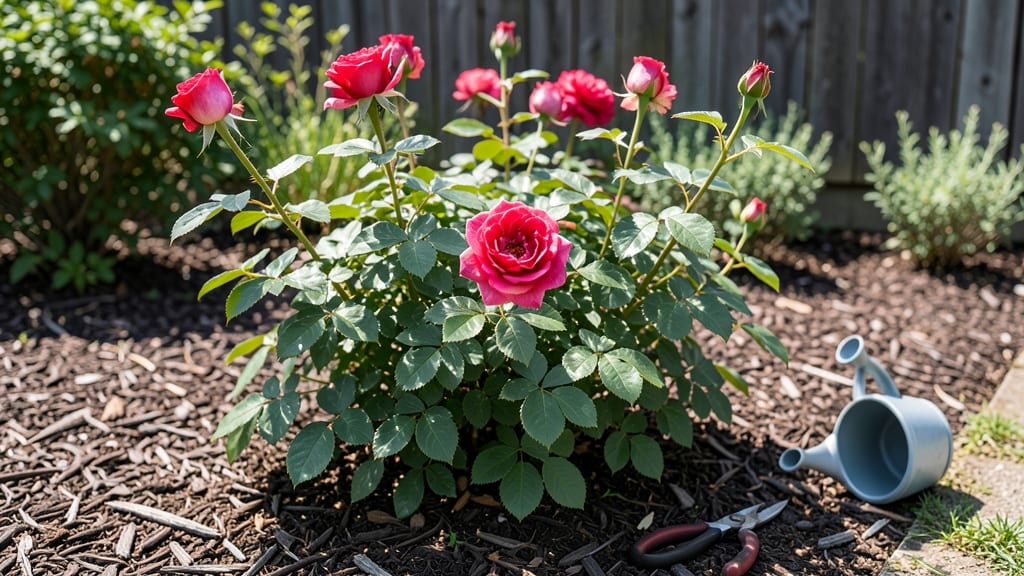
Miranda Lambert's rose plant brings country charm to any garden with its velvety blooms and intoxicating fragrance. 🌹 This isn't just another rose—it's a statement piece that thrives in full sun or partial shade, making it perfect for cottage-style gardens, modern landscapes, or even urban patios.
The deep pink petals with golden centers create a romantic focal point that pairs beautifully with lavender, salvia, or dusty miller for a dreamy, textured look.
The real magic happens in how effortlessly it fits into different garden themes. In a rustic setting, it softens stone pathways with its arching vines, while in a contemporary design, its bold color contrasts sharply against sleek lines.
Seasonally, it blooms from early summer through fall, providing continuous color when many roses have faded. The scent alone—sweet with a hint of spice—makes it a must-have for sensory gardens or spaces where you want to create a welcoming atmosphere.
What makes this rose truly special is its low-maintenance nature. Unlike finicky varieties, it tolerates average soil and occasional drought once established, yet still delivers lush, repeat blooms that turn heads.
The thornless canes also make it safer for families with kids or pets, while the glossy foliage adds year-round interest. Imagine it climbing a trellis near your patio or cascading over a raised bed—it's the kind of plant that makes neighbors stop and ask, "What's that?"
For maximum impact, plant it where its fragrance can drift toward seating areas or entryways. Pair with silver foliage like lamb's ear to highlight its color, or contrast with deep greens like boxwood for a classic look.
The key is letting it shine as the star while supporting it with complementary textures and heights. This isn't just a rose—it's a conversation starter wrapped in petals.
📚 In This Guide
- What you need
- Instructions
- Tips and common mistakes
- Wrapping up and next steps
What you need
- ● Rose plant: 1 bare-root or potted rose (choose a disease-resistant variety like Knock Out® or Dr. Huey for durability).
- ● Well-draining soil: 5-10 lbs of a mix of 60% topsoil, 30% compost, and 10% perlite/sand (for aeration).
- ● Fertilizer: 1 lb of balanced rose fertilizer (10-10-10) or organic options like bone meal or fish emulsion.
- ● Mulch: 2-3 inches of wood chips or straw to retain moisture and suppress weeds.
- ● Watering can or hose: With a gentle spray nozzle (to avoid damaging stems).
- ● Pruning shears: Sharp, clean shears (sterilize with rubbing alcohol).
- ● Stakes or trellis: 1-2 5-foot metal or wooden stakes (for climbing varieties).
- ● Gloves: Heavy-duty gardening gloves (roses can have thorns!).
- ● pH test kit: To ensure soil pH is 6.0-6.5 (roses love slightly acidic soil).
- ○ Rose food: Optional monthly liquid feed (like Miracle-Gro Rose Food) for extra blooms.
- ● Pest control: Neem oil or insecticidal soap (preventative measure for aphids).
- ○ Decorative accents: Optional gravel, pebbles, or a small garden flag for a polished look!
Step-by-step guide to growing Miranda Lambert-inspired rose vines
Here's how to cultivate fragrant, resilient roses that thrive with minimal fuss—just like the ones Miranda Lambert might grow.
🌱 Step 1: Choose the Right Rose Variety for Low-Maintenance Growth
Miranda Lambert's roses likely thrive in tough conditions, so opt for disease-resistant, hardy varieties like Knock Out roses or David Austin English roses. These need less pruning and fewer chemicals while still delivering stunning blooms. Check your USDA hardiness zone—most Lambert-inspired roses do best in zones 5-9, where they handle heat and humidity without fuss.
Purchase bare-root roses in early spring or container-grown plants from a reputable nursery. Avoid roses labeled "hybrid tea" if you want low-maintenance—these require more pruning and care. Look for dwarf or climbing varieties if space is limited; they still produce fragrant blooms without the upkeep of larger shrubs.
☀️ Step 2: Prepare the Planting Site for Optimal Sun and Drainage
Roses need full sun (6-8 hours daily) for the best blooms, but they also demand well-draining soil to prevent root rot. Test your soil’s drainage by digging a 12-inch hole—if water pools after 30 minutes, amend the soil with 2-3 inches of compost and a 50/50 mix of garden soil and perlite to improve aeration.
If your soil is heavy clay, create a raised bed or mound at least 18 inches wide and deep to elevate the roots. Miranda Lambert’s roses likely thrive in slightly acidic to neutral soil (pH 6.0-6.5). Use a soil test kit to check—if needed, adjust with lime (to raise pH) or sulfur (to lower pH) before planting.
🪴 Step 3: Plant Roses at the Correct Depth and Stake for Support
Dig a hole twice as wide as the root ball but no deeper. Loosen the roots gently if they’re circling, then place the rose so the graft union (swollen bump near the base) sits 2-3 inches above soil level. This prevents soil from smothering the graft and encourages stronger growth.
Fill the hole halfway with water, then backfill with soil while pressing firmly to eliminate air pockets. Install a 5-6 foot stake at a 45-degree angle and tie the main stem loosely with soft plant ties—too tight now will strangle the stem as it grows. Water deeply after planting to settle the soil and encourage root establishment.
💧 Step 4: Water and Fertilize for Strong, Fragrant Blooms
Water newly planted roses deeply 2-3 times per week for the first month, ensuring the soil stays moist but not soggy. After establishment, water once weekly during dry spells, aiming for 1-1.5 inches of water per week. Lambert’s roses likely thrive with drip irrigation to keep foliage dry and prevent fungal diseases like black spot.
Fertilize in early spring with a balanced rose fertilizer (10-10-10) or organic compost tea for a gentle boost. Avoid high-nitrogen fertilizers—they promote leafy growth at the expense of fragrant blooms. Mulch around the base with 2-3 inches of wood chips or straw to retain moisture and suppress weeds, but keep mulch 6 inches away from the stem to prevent rot.
✂️ Step 5: Prune and Maintain for Continuous, Fragrant Blooms
Prune once in late winter (before buds swell) and again after the first flush of blooms in spring. Remove dead, diseased, or crossing branches first, then cut back one-third of the oldest canes to encourage new growth. Lambert’s roses likely benefit from selective deadheading—snip spent blooms just above a set of 5 leaves to promote more flowers.
Watch for aphids or Japanese beetles, which can defoliate roses quickly. Spray with neem oil or insecticidal soap at the first sign of pests—chemicals disrupt the delicate fragrance and flavor of the blooms. In fall, apply a 3-inch layer of mulch and reduce watering to once every 10-14 days to harden the plant for winter.
Tips & tricks for perfect Miranda Lambert-inspired rose vines
These simple yet powerful strategies will help you cultivate roses that bloom with the same effortless charm Miranda Lambert might enjoy in her garden.
Variety Selection: When choosing between Knock Out roses and David Austin English roses, consider your climate and space. Knock Out roses are more disease-resistant and thrive in zones 5-9 with minimal pruning, while David Austin varieties offer classic fragrance and repeat blooming. For maximum fragrance, opt for English roses—their petals are often thicker and more heavily scented, just like Miranda's signature blooms.
Soil Preparation: The 6-8 hours of full sun requirement is non-negotiable for vibrant blooms, but soil drainage is equally critical. After digging your 12-inch test hole, if water pools within 30 minutes, you're dealing with poor drainage. To fix this, mix in 2-3 inches of compost and a 50/50 blend of garden soil and perlite—this creates the perfect airy medium that Lambert's roses would love. For heavy clay soils, consider creating a raised bed at least 18 inches wide and deep to give roots proper aeration.
Planting Depth: The graft union placement—keeping it 2-3 inches above soil level—is crucial for disease resistance and strong growth. If you accidentally bury it deeper, the rose may revert to the rootstock variety, losing its desirable characteristics. After planting, water deeply to help settle the soil around roots, then install your 5-6 foot stake at a 45-degree angle for optimal support without damaging the stem.
Watering Wisdom: During the critical first month, those 2-3 deep waterings per week should be done in the early morning to allow foliage to dry completely before evening. This simple habit prevents fungal diseases like black spot, which can ruin your roses' appearance. After establishment, maintain 1-1.5 inches of water weekly—use a rain gauge or tuna can to measure accurately. Drip irrigation is ideal as it delivers water directly to the roots without wetting leaves.
Pro Tips for Miranda Lambert Rose Plant
- These simple yet powerful strategies will help you cultivate roses that bloom with the same effortless charm Miranda Lambert might enjoy in her garden.
- Variety Selection: When choosing between Knock Out roses and David Austin English roses, consider your climate and space.
- Soil Preparation: The 6-8 hours of full sun requirement is non-negotiable for vibrant blooms, but soil drainage is equally critical.
Frequently asked questions
How long does it take for the Miranda Lambert Rose Plant to bloom?
Patience is key! With proper care, you can expect the first blooms within 6–12 months of planting. Young plants may take longer, but consistent watering and sunlight (6+ hours daily) speed up the process. Pro tip: Deadhead spent blooms to encourage more flowers!
Can this rose plant survive winter in colder climates?
Absolutely—this variety is hardy in USDA zones 5–9, meaning it can handle light frost. For extra protection, mulch the base with 3–4 inches of organic matter (like shredded bark) after the first freeze. In harsh winters, a lightweight frost cloth works wonders too.
How often should I water my Miranda Lambert Rose Plant?
Water deeply 1–2 times per week, ensuring the soil is moist but not soggy. Newly planted roses need more frequent watering (every 2–3 days) until established. Morning watering is best—it reduces evaporation and fungal risks. Watch for: Wilting leaves (overwatering) or crispy edges (underwatering).
What should I do if my rose plant’s leaves turn yellow?
Yellow leaves usually signal overwatering, nutrient deficiency, or pests. First, check the soil—it should drain well. If the roots smell foul, you may have root rot (reduce watering and improve drainage). For yellowing between veins, it could be iron deficiency—try a chelated iron supplement. Inspect for aphids too!
Are there any low-maintenance alternatives to this rose?
If roses feel high-maintenance, consider these fragrant, easy-care alternatives:
- Lavender: Drought-tolerant, thrives in poor soil, and smells divine.
- Jasmine: Fast-growing climber with intoxicating blooms (needs a trellis).
- Dianthus: Sweet-scented, pest-resistant, and blooms all summer.
- Russian Sage: Perennial with silvery foliage and lavender-like fragrance.
Wrapping up and next steps
Growing Miranda Lambert’s signature rose plant is all about embracing simplicity and savoring the small joys—like the sweet scent of blooms that thrive with minimal fuss. Whether you’re a seasoned gardener or a beginner, this fragrant vine proves that low-maintenance doesn’t mean low-reward. 🌹✨
Now that you’re armed with the right tools and tips, it’s time to roll up your sleeves and plant your own. Start small—pick a sunny spot, prep the soil, and watch your garden transform into a country-inspired haven. Happy planting! 🌱💚