
Pruning
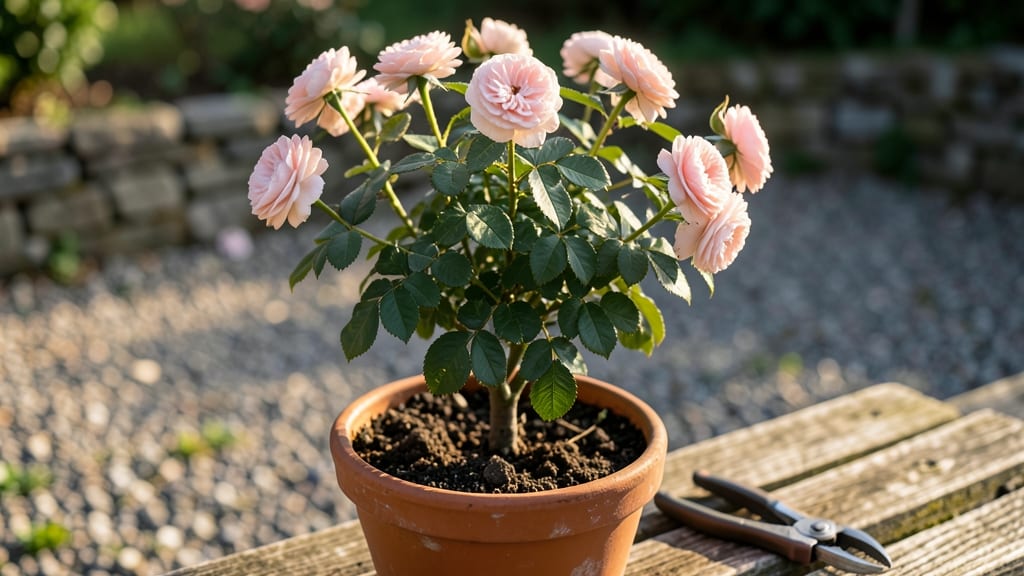
The lifespan of miniature roses spans 5-10 years when given proper care, with each bloom cycle lasting 2-4 weeks and many varieties producing 3-5 flushes annually. Their longevity depends on consistent maintenance and seasonal adjustments.
Miniature roses aren't just about their compact size—their ability to rebloom multiple times per year makes them a gardener's favorite. 🌸 The key to their extended lifespan lies in understanding their growth cycles: shorter daylight hours in fall trigger dormancy, while consistent moisture and balanced nutrients keep them thriving through multiple seasons.
I've found that varieties like 'Fairy' or 'Baby Love' often outperform others when given proper winter protection and spring pruning. Their smaller stature also means they recover faster from pruning, allowing for more precise maintenance without stressing the plant.
What sets miniature roses apart is their adaptability to containers, which can actually extend their lifespan by preventing soil-borne diseases. Just ensure your pots have drainage holes and use a well-draining potting mix. 💫 The trade-off?
Container-grown roses may need more frequent watering and fertilizer applications compared to in-ground plants. For maximum longevity, I recommend testing soil pH annually—most miniature roses prefer a slightly acidic environment between 6.0-6.5.
💡 In This Article
- Factors Affecting Miniature Rose Bloom Duration
- Pruning and Care Tips to Prolong Miniature Rose Lifespan
Factors affecting miniature rose bloom duration
The bloom duration of miniature roses hinges on their biological response to daylight, a phenomenon called photoperiodism. These roses enter their first major flush of blooms in spring when days lengthen, triggering hormonal changes that stimulate flower production.
Each bloom lasts 2-4 weeks because the plant allocates energy between flower development and foliage growth. Varieties like 'Angel Face' typically produce 3-5 flushes annually, while others like 'Mini Flirt' may bloom continuously if conditions are ideal.
Temperature plays a critical role too—miniature roses thrive in 60-75°F ranges but become stressed above 85°F, which accelerates bloom drop. The roots also need consistent moisture; even a 24-hour drought can cause buds to abort.
Nutrient absorption peaks during active growth phases, so balanced fertilizers (10-10-10 ratio) applied every 4-6 weeks during bloom periods sustains their vigor. 🌸 What's fascinating is how their compact size means they recover faster from stress than full-sized roses, making them more resilient in fluctuating conditions.
Seasonal patterns reveal why some gardeners see fewer blooms in summer. The intense heat often causes buds to form but fail to open, a condition called "bud blast." In fall, shortening daylight triggers dormancy, halting new blooms until spring.
Climate zones matter too—USDA Zone 7-9 roses may bloom year-round with proper care, while Zone 5 varieties typically have 2-3 flushes due to colder winters. The key is mimicking their natural growth rhythms through strategic pruning and seasonal adjustments.
Light exposure is non-negotiable—miniature roses need 6-8 hours of direct sunlight daily for optimal photosynthesis. Partial shade can stretch out bloom duration slightly but reduces overall flower production. I've observed that container-grown specimens often bloom 1-2 weeks longer per flush because their roots stay warmer, extending the growing season.
The trade-off? They require daily watering in hot climates to prevent moisture stress.
Soil quality acts as the foundation—well-draining mixes with 20-30% organic matter prevent root rot while providing essential nutrients.
The pH balance (ideal at 6.0-6.5) directly affects nutrient uptake, particularly iron and magnesium which are critical for bud formation. 💫 A simple soil test can reveal deficiencies that might be silently limiting your roses' blooming potential.
For example, iron chlorosis (yellowing leaves) often appears when pH exceeds 7.0, stunting new growth and reducing bloom counts.
Pest pressure also impacts bloom duration—aphids and spider mites sap plant energy, diverting it from flower production. A single infestation can reduce bloom time by 30-50% if left unchecked. Regular inspections and preventive sprays (neem oil works well) help maintain the plant's energy balance.
The most resilient varieties, like 'Fairy Tale' or 'Pink Parfait,' often withstand minor pest issues better due to their naturally thicker foliage.