
Pruning
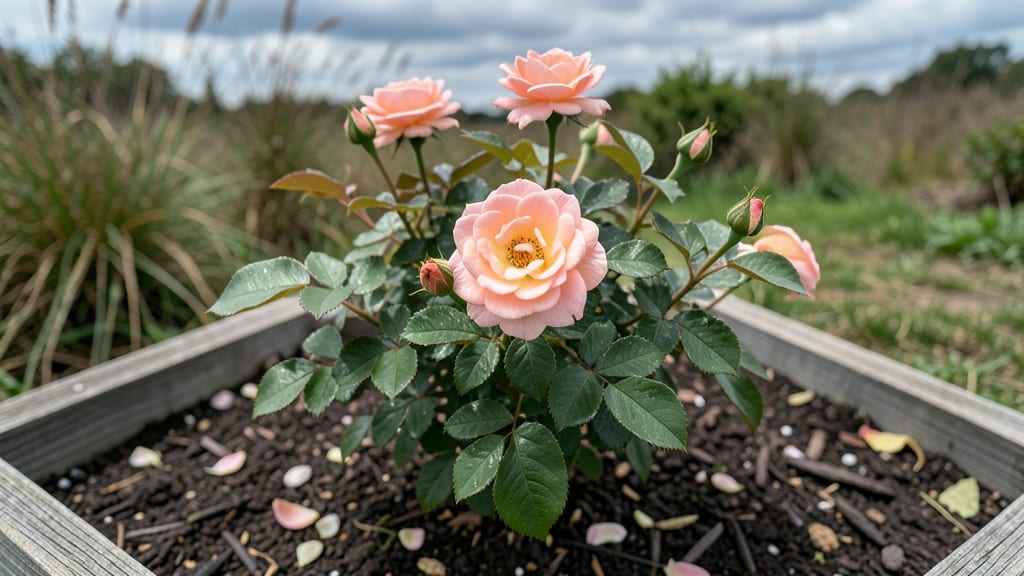
Growing mini tea roses 🌹 means unlocking a world of fragrant, compact blooms that fit even the smallest garden spaces—but only if you prune them the right way.
Picture this: a bushy, overflowing rose that never outgrows your patio or balcony, yet bursts with continuous blooms all season. The secret? Pruning with precision to keep their signature shape while encouraging nonstop flowers.
Skip this step, and you’ll end up with leggy stems and sparse blooms—something no rose lover wants.
In this guide, I’ll walk you through the exact when and how of pruning mini tea roses, from seasonal timing to the tools you’ll need. Whether you’re a beginner or a seasoned gardener, these techniques will help you maintain that perfect compact form while maximizing blooms.
Ready to transform your garden into a fragrant, blooming paradise? Let’s get started with the basics of pruning for healthier, happier roses.
When and how to prune mini tea roses for maximum blooms
Pruning your mini tea roses isn’t just about keeping them tidy—it’s the secret to unlocking their full potential for continuous blooms and compact growth. Unlike larger roses, these delicate varieties need gentle, strategic cuts to maintain their bushy shape while encouraging new flower buds.
Think of pruning as a conversation with your plant: listen to its growth patterns and respond with precise cuts at the right times.
Timing is everything with mini tea roses. Prune too early, and you risk stunting new growth; wait too long, and you’ll miss the prime window for stimulating summer blooms. The key seasons are spring, summer, and fall, each requiring a different approach.
Let’s break down the seasonal schedule and tools you’ll need to keep your roses thriving all year round.
📋 Step-by-Step Pruning Schedule for Mini Tea Roses
- Late Winter/Early Spring (Feb-Mar): Hard Prune to remove dead wood and shape the bush. Cut back 1/3 of last year’s growth to encourage new shoots.
- Spring (April-May): Light Prune after blooms fade. Trim spent flowers (deadheading) and thin crowded stems to improve airflow.
- Summer (June-Aug): Deadhead Daily. Snip off wilted blooms just above a leaf node to redirect energy to new buds.
- Early Fall (Sept-Oct): Light Prune to remove weak or crossing branches. Avoid heavy cuts—let the plant prepare for dormancy.
- Winter (Nov-Jan): No Pruning. Protect the plant with mulch and avoid disturbing it until late winter.
Start your pruning journey in late winter or early spring, just as new growth begins to stir. This is your hard pruning season, where you’ll remove up to one-third of last year’s growth. Use sharp, clean bypass pruners to make 45-degree cuts just above an outward-facing bud.
This angle helps water runoff and prevents rot. For mini tea roses, focus on opening up the center of the bush to improve airflow and reduce disease risk.
As spring transitions to summer, shift to light pruning and deadheading. After each bloom fades, snip the stem back to the nearest five-leaflet leaf. This encourages the plant to redirect its energy into producing more buds rather than seeding.
Pro tip: Use sterilized pruners to avoid spreading disease between cuts. A quick wipe with rubbing alcohol between plants keeps your tools clean and your roses healthy.
Summer is all about maintenance pruning. Every time you see a spent bloom, remove it immediately. This might seem tedious, but it’s the key to continuous flowering in mini tea roses.
If you notice leggy growth or stems growing inward, thin them out to maintain the plant’s compact shape. Aim to keep your mini tea roses between 18-24 inches tall—any taller, and they’ll lose their signature charm.
Fall pruning is often overlooked, but it’s crucial for preparing your roses for winter. In early fall, do a light cleanup to remove any weak or diseased stems. Avoid heavy pruning now, as it can stimulate late-season growth that won’t harden off before winter.
Instead, focus on shaping the bush and ensuring it’s ready to enter dormancy. Apply a 2-3 inch layer of mulch around the base to insulate the roots.
Your pruning tools are just as important as the technique. Invest in a high-quality pair of bypass pruners for clean cuts and a small hand saw for any thick stems that need removing. Keep your tools sharp and clean to prevent tearing the stems or spreading disease.
A glove with grip will also make handling thorny stems easier, especially when working with mini tea roses that can still pack a punch.
Avoid these common pruning mistakes that can harm your mini tea roses: cutting too close to a bud, leaving stubs, or pruning on a rainy day. Always make cuts at a 45-degree angle and leave 1/8 inch above the bud.
Pruning wet stems can spread fungal spores, so wait for dry, sunny conditions. Another mistake is pruning too late in the season—never prune after mid-September, as it can encourage tender growth that won’t survive winter.
With the right pruning schedule, your mini tea roses will reward you with nonstop blooms from spring through fall. The key is consistency: prune at the right times, use the correct techniques, and keep your tools sharp.
Soon, your garden will be a fragrant paradise of compact, blooming beauty—all thanks to a little strategic trimming.
Best pruning techniques for compact growth in mini tea roses
Mini tea roses are delicate powerhouses—their compact size and continuous blooms make them garden favorites, but only if you prune them strategically. Unlike their larger counterparts, these roses respond beautifully to selective trimming that encourages dense foliage while keeping their miniature stature.
The key lies in balancing three core techniques: deadheading, thinning, and shaping, each serving a unique purpose in maintaining their bushy, blooming form.
Deadheading—removing spent blooms—is your first line of defense against leggy growth. By snipping off faded flowers just above a leaf node with 5 leaves, you redirect the plant’s energy toward producing new buds rather than seed pods.
This simple act can double your blooms throughout the season, provided you do it consistently every 7-10 days. Pair this with thinning, where you remove weak or crossing stems to improve airflow and reduce disease risk.
| Technique | Purpose | When to Do It | Aggressive Approach | Gentle Approach |
|---|---|---|---|---|
| Deadheading | Encourages new blooms | After each bloom fades | Cut back to 3-4 leaves | Cut back to 1-2 leaves |
| Thinning | Improves airflow | Early spring & late summer | Remove 1/3 of oldest stems | Remove only weak/crossing stems |
| Shaping | Maintains compact form | Spring & early fall | Prune by 1/3 overall | Light trimming for balance |
For shaping, timing is everything. In early spring, prune just as new growth begins—this is when your rose is most resilient. Use clean, sharp shears to make cuts at a 45-degree angle, about 1/4 inch above a bud eye facing outward.
This encourages even growth and prevents the center from becoming bare. If you’re aiming for a neat, rounded shape, trim back overly long stems by 1/3, but never remove more than 30% of the plant at once.
The choice between aggressive vs. gentle pruning depends on your goals. An aggressive approach—cutting back by 1/3—stimulates vigorous regrowth and is ideal if your rose has become overgrown or leggy. However, this method can temporarily reduce blooms as the plant recovers.
A gentle approach, like light shaping and deadheading, is perfect for maintenance and keeps your mini tea rose blooming continuously with minimal stress.
One common mistake is pruning too late in the season. Avoid heavy cuts after mid-summer, as new growth won’t have time to harden off before winter. Instead, focus on deadheading and light shaping until early fall.
Always disinfect your tools with rubbing alcohol between cuts to prevent disease spread, and never prune when the plant is stressed by drought or extreme heat.
With the right technique, your mini tea roses will reward you with dense foliage, abundant blooms, and a compact, tidy form that fits perfectly in containers, borders, or small gardens.
Start with deadheading weekly, thin in spring, and shape lightly—your roses will thrive and keep you blooming all season long! 🌹