
Pests
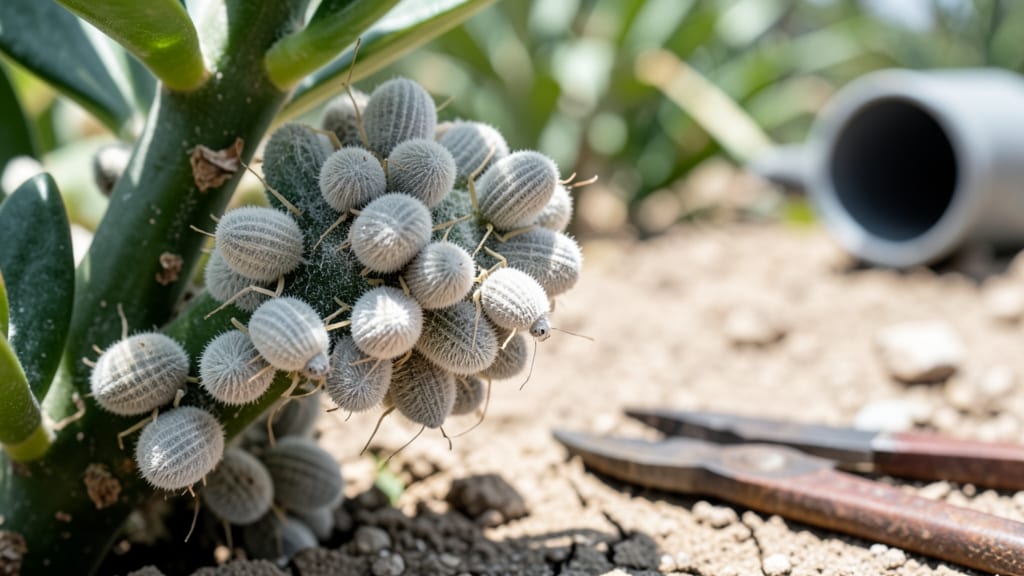
Those white cottony masses on your desert rose aren’t just unsightly—they’re mealybugs, and they’re draining your plant’s life force. I’ve battled these pests with my own Adenium obesum, and I’ll show you how to eliminate them fast without harming your plant or the environment.
The first step is identifying the damage: sticky residue on leaves, wilting despite proper watering, and those telltale white clusters hiding in leaf crevices. Mealybugs thrive in dry, low-light conditions, so your desert rose’s natural habitat can actually make the problem worse if you don’t act quickly.
With the right organic sprays—like neem oil or insecticidal soap—you’ll see results in just 3-5 days of consistent treatment. The key is patience and persistence; these pests don’t surrender easily, but they will leave if you stay consistent.
Once you’ve eradicated the infestation, focus on prevention: improve airflow around your plant, avoid overwatering, and inspect new growth regularly. A healthy desert rose is naturally resistant to pests, and with these steps, you’ll keep it that way.
Root Causes of Desert Rose Infestations
Desert roses (Adenium obesum) are prized for their striking blooms and drought tolerance, but their woody stems and tender leaves make them a magnet for mealybugs. These sap-sucking pests thrive in specific conditions, often turning your resilient succulent into a buffet.
Understanding why they strike is the first step to stopping them. Let’s break down the key triggers:
Mealybugs are opportunistic pests—they don’t randomly attack healthy plants. Instead, they zero in on desert roses that are already struggling. Here’s how stress opens the door:
- Overwatering or poor drainage: Mealybugs love moisture, and soggy soil creates the perfect breeding ground. When roots suffocate from excess water, the plant’s immune response weakens, making it easier for pests to latch on. Pro tip: Desert roses need well-draining soil and should only be watered when the top 2 inches of soil are completely dry. 💡
- Nutrient deficiencies: A lack of nitrogen or phosphorus stresses the plant, reducing its ability to produce sticky resins (a natural pest deterrent). Mealybugs detect these chemical cues and target vulnerable spots like new growth or leaf axils.
- Physical damage: Pruning wounds, cracked bark, or even hail damage expose fresh sap—mealybugs’ favorite snack. They release pheromones to call reinforcements, turning a single infestation into a full-blown colony in days.
Actionable fix: Strengthen your desert rose by amending soil with perlite or sand, using a balanced fertilizer (like 10-10-10), and avoiding aggressive pruning unless necessary.
Mealybugs are tropical pests at heart, and they’ll exploit any environment that mimics their natural habitat. For desert roses—hardy plants that thrive in arid conditions—this creates a paradoxical vulnerability. Here’s what they crave:
| Factor | Mealybug’s Sweet Spot | Desert Rose’s Reality |
|---|---|---|
| Temperature | 70–85°F (21–29°C) | Desert roses love heat but can overheat in stagnant indoor air (e.g., near windows or under grow lights). |
| Humidity | 60%+ (they despise dry air) | Low humidity is ideal for desert roses, but indoor heating or AC can drop levels below 40%, stressing the plant—unless you’ve got a hidden moisture trap (like a nearby humidifier or overwatered pots). |
| Shelter | Undisturbed, shaded spots (e.g., under leaves, in crevices) | Desert roses’ thick, fleshy leaves and woody stems provide perfect hiding spots for eggs and adults. |
Actionable fix:
- Circulate air with a small fan (mealybugs hate airflow!).
- Monitor humidity—aim for 40–50% for desert roses, but avoid sudden spikes.
- Inspect new plants before introducing them to your collection (quarantine for 2 weeks!).
Mealybugs aren’t just drawn to stress—they’re also lured by specific plant signals. Desert roses, while drought-tolerant, produce compounds that can accidentally invite them:
- Sticky honeydew: Mealybugs excrete honeydew, a sugary waste product that attracts ants (their protectors) and sooty mold. But here’s the catch: some desert rose varieties naturally produce higher levels of sugars in their sap, making them more appealing to pests. 🍯
- New growth: Young leaves and stems are softer and richer in nutrients, making them a mealybug buffet. If your desert rose is flowering or sprouting new shoots, it’s peak pest season.
- Root exudates: Overwatered or root-bound desert roses release chemicals through their roots that signal “easy prey” to underground pests (like fungus gnats, which then attract mealybugs).
Actionable fix:
- Wipe leaves with a damp cloth to remove honeydew (and deter ants).
- Prune new growth aggressively to starve infestations.
- Repot if roots are circling—mealybugs love crowded conditions.
Sometimes, the problem isn’t the plant—it’s us. Common gardening mistakes create the perfect storm for mealybugs:
- Overcrowded plants: Desert roses need space to breathe. Cramped pots or shelves with poor airflow trap humidity and pests. Mealybugs hop from plant to plant via contaminated tools, clothing, or even your hands.
- Ignoring early signs: Mealybugs start as tiny, cotton-like eggs. By the time you see visible clusters, they’ve already reproduced for weeks. Delayed action lets them establish colonies.
- Using chemical fertilizers: Synthetic fertilizers can disrupt the plant’s natural defenses. Opt for organic, slow-release options to avoid shocking the desert rose.
Actionable fix:
- Space plants 6+ inches apart.
- Inspect weekly (especially under leaves and at the stem base).
- Switch to organic fertilizers like worm castings or fish emulsion.
Organic Fixes for Stubborn Pests
Dealing with mealybugs on your desert rose doesn’t have to mean harsh chemicals. These soft-bodied pests thrive in dry, warm conditions—just like your desert rose—but they’re vulnerable to natural predators and DIY treatments.
Below, we’ve mapped out practical, organic solutions based on the root causes of your infestation, from overcrowded plants to poor airflow. Each fix is designed to work fast while keeping your plant (and the environment) safe.
Fix: Boost plant resilience and starve out pests.
Step 1: Prune for Better Airflow 🔪 Mealybugs love hiding in dense foliage where air can’t circulate. Trim back overgrown branches to expose the plant’s core. Focus on:
- Dead or yellowing leaves (they attract pests).
- Crowded stems where bugs cluster.
- Pro tip: 💡 Use sterilized pruners to avoid spreading pests to healthy parts of the plant.
Step 2: Strengthen the Plant’s Defenses 💪 A healthy desert rose is less appealing to mealybugs. Feed it with:
- Diluted fish emulsion (1 tbsp per gallon of water) every 4–6 weeks for nitrogen.
- Compost tea (brewed from worm castings) to enhance soil microbes that deter pests.
- Pro tip: 🌡️ Avoid overwatering—mealybugs adore soggy soil. Let the top 2 inches dry out between waterings.
Step 3: Introduce Natural Predators 🦋 Ladybugs, lacewings, and parasitic wasps love eating mealybugs. Purchase or attract them by:
- Placing lacewing egg cases near infested areas.
- Planting dill, fennel, or marigolds nearby to lure predators.
- Pro tip: ✨ Release predators in the early morning or evening to avoid sunlight stress.
Fix: Quarantine and sanitize to break the cycle.
Step 1: Isolate the Infested Plant 🏝️ Move your desert rose away from other plants to prevent cross-contamination. Check nearby pots, benches, and tools for hitchhiking bugs.
Step 2: Sterilize Tools and Pots 🧼
- Wipe pruners, shears, and pots with 70% isopropyl alcohol or a 1:10 bleach-water solution (rinse thoroughly).
- Replace old soil—mealybugs lay eggs deep in the substrate. Mix fresh cactus/succulent soil with perlite for better drainage.
- Pro tip: 🎯 For severe cases, bake pots in the oven at 200°F (93°C) for 30 minutes to kill all life stages.
Step 3: Trap and Remove Adults 🕷️
- Sticky traps: Place yellow or blue sticky cards near the plant to catch crawling adults.
- Rubbing alcohol spray: Dampen a cotton swab with 70% isopropyl alcohol and gently dab mealybugs (avoid healthy tissue).
- Pro tip: ⏰ Repeat treatments every 3–5 days for 2 weeks to catch newly hatched nymphs.
Fix: Adjust environmental conditions to make your desert rose less hospitable.
Step 1: Increase Humidity (Slightly) 💦 Mealybugs prefer dry air, but desert roses still need 40–50% humidity. Try:
- Pebble trays under the pot (add water, not soil).
- Misting the air around the plant (not the leaves) in the morning.
- Pro tip: 🌡️ Avoid cold drafts—mealybugs hate temperature swings. Keep your plant in a stable 65–85°F (18–29°C) range.
Step 2: Shield from Direct Sun ☀️ While desert roses love sunlight, intense midday heat can stress plants, making them mealybug magnets. Provide:
- Light shade cloth (30–50%) during peak hours.
- East or west-facing windows (avoid harsh southern exposure).
- Pro tip: ✨ If outdoors, use a breathable shade sail to filter UV rays without blocking airflow.
Step 3: Apply Organic Sprays Proactively 🍶 Prevent future infestations with weekly sprays of:
- Neem oil solution (1 tsp neem oil + 1 tsp mild soap + 1 quart water). Spray undersides of leaves where bugs hide.
- Horticultural oil (like Jardine or Dr. Bronner’s peppermint oil). Reapply every 7 days for 3 weeks.
- Pro tip: 🔥 Always test sprays on a small leaf area first—some desert roses are sensitive to oils.
Once you’ve tackled the infestation, stop them from returning with these habits:
- Inspect new plants for 2 weeks in quarantine before adding to your collection.
- Wipe leaves monthly with a soapy water cloth (1 tsp mild soap per gallon of water).
- Rotate pots occasionally to expose all sides of the plant to light and airflow.
- Encourage beneficial fungi like Beauveria bassiana (a natural mealybug killer) by using MycoBlast sprays.
Remember: Consistency is key! Mealybugs reproduce quickly, so stick to your treatment plan for at least 4–6 weeks to ensure all eggs and nymphs are gone. With these organic fixes, your desert rose will bounce back—and stay pest-free! 🌵✨
Frequently asked questions
How do I know if my desert rose has mealybugs before they become visible?
Look for these early signs: tiny white specks in leaf crevices, sticky residue (honeydew) on leaves or surfaces below, or ants crawling on your plant. Mealybugs start as microscopic eggs, so check the undersides of new growth and stem joints weekly—these are their favorite hiding spots.
Can I use dish soap to kill mealybugs on my desert rose?
Yes, but use it carefully! Mix 1 teaspoon of mild castile soap with 1 quart of water and spray directly on infested areas. Avoid overspray on healthy leaves, as soap can damage them. Reapply every 3-5 days for 2 weeks to catch new hatchlings.
Why do mealybugs keep coming back after I treat them?
Mealybugs reproduce rapidly—females can lay 500+ eggs in their lifetime! If you see them return, you likely missed eggs or nymphs. Treat for 4-6 weeks total, increase airflow around your plant, and check for hidden infestations in soil or nearby plants.
Is neem oil safe to use during flowering season?
Neem oil is generally safe during flowering, but use it early in the morning or late evening to protect pollinators. Avoid spraying directly on open flowers, as it may affect their appearance. If using, dilute it properly (1 tsp neem oil + 1 tsp soap per quart of water).
How can I prevent mealybugs from spreading to other plants?
Isolate infested desert roses immediately and clean all tools/pots with 70% isopropyl alcohol. Wipe down benches and windowsills, and avoid touching other plants until treatment is complete. Quarantine new plants for 2 weeks before introducing them to your collection.