
Flowers
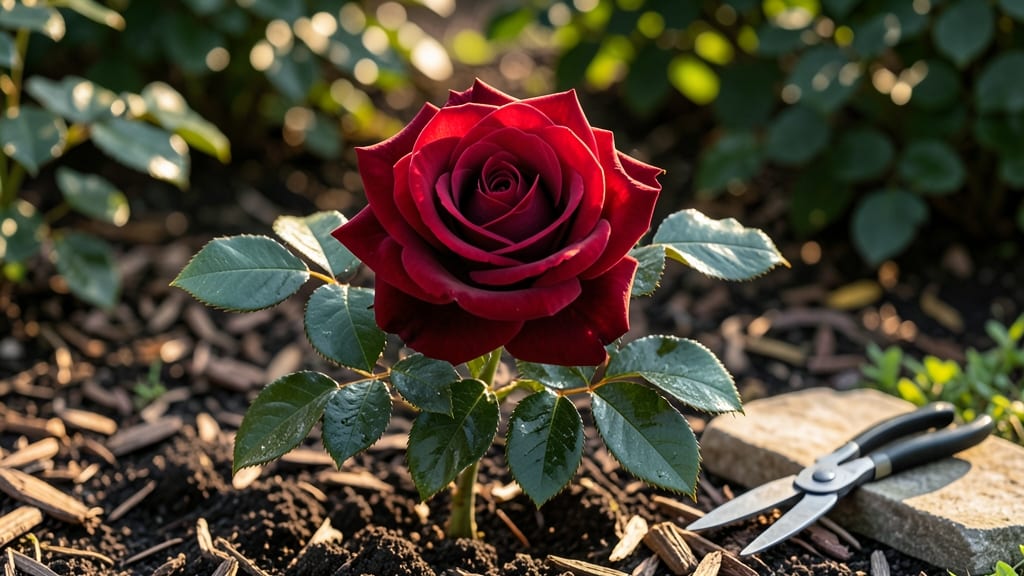
Nothing says "summer in full bloom" like lovely red rose flowers arching over garden paths or framing a front door. 🌹 Their rich crimson petals command attention, turning any space into a romantic retreat—whether you're creating a classic cottage border or a modern minimalist statement.
Pair them with silvery foliage like lamb's ear or dusty miller to make the red pop even more dramatically. I've seen stunning contrasts with deep purple clematis or soft lavender salvia too.
The key is letting the roses shine while supporting them with textures that prevent the scene from feeling too busy. Imagine cutting fresh blooms for your table in July, their velvety petals still dewy from the morning.
A well-placed rose bush becomes the centerpiece of any garden, drawing bees and butterflies while creating that "I woke up in a storybook" feeling every time you walk outside.
These timeless beauties work in containers too—just pair them with trailing ivy or ornamental grasses for a portable focal point that moves with your seasonal decor. The secret to their lasting appeal?
A little pruning to keep them shaped and healthy, and they'll reward you with blooms from early summer through fall.
📚 In This Guide
- What you need
- Instructions
- Tips and common mistakes
- Wrapping up and next steps
What you need
- ● Red rose bushes: Choose disease-resistant varieties like Hybrid Tea or Floribunda (3-5 plants for a stunning display).
- ● High-quality potting soil: 10-15 gallons, rich in organic matter (look for a mix labeled for roses).
- ● Compost or aged manure: 5-10 lbs to enrich the soil with nutrients.
- ● Rose fertilizer: Balanced formula (10-10-10 or rose-specific) for planting and seasonal feeding.
- ● Mulch: 2-3 inches of wood chips or straw to retain moisture and suppress weeds.
- ● Garden trowel or spade: For digging and transplanting.
- ● Pruning shears: Sharp, clean shears (sterilize with rubbing alcohol).
- ● Gloves: Heavy-duty gardening gloves to protect your hands.
- ● Watering can or hose with a gentle spray nozzle: Roses love deep, consistent watering.
- ○ Stakes or trellis (optional):strong> For climbing varieties like Climbing Roses.
- ● Sunlight: A location with 6-8 hours of direct sunlight daily (no shade lovers here!).
- ● Well-draining soil: Roses hate soggy roots—amend clay soil with sand or perlite if needed.
- ● Water access: Consistent moisture (1-2 inches per week, more in extreme heat).
- ● Patience: Roses take time to establish—plan for 3-4 months before seeing blooms!
How to grow show-stopping red roses year after year
Here's my foolproof method for coaxing vibrant red roses that keep blooming all season.
🌱 Step 1: Choose the Right Rose Variety and Location
Start with a disease-resistant hybrid tea or floribunda rose—these varieties deliver the classic red blooms gardeners love. Plant in full sun (at least 6-8 hours daily) where the soil drains well. Roses hate soggy roots, so avoid low spots where water pools after rain.
I always dig a hole twice as wide as the root ball but only as deep. The graft union (that bump near the base) should sit 2 inches above soil level—burying it too deep encourages suckers to grow from below. Loosen the roots gently if they're circling tightly before placing the plant in the hole.
💧 Step 2: Amend Soil and Water Deeply at Planting
Mix 3-4 inches of compost into the bottom of the planting hole to give roots organic matter right away. For heavier clay soil, blend in a handful of perlite to improve drainage. Fill the hole halfway, then water deeply to settle the soil before adding the rose.
After planting, water again until the soil 12 inches deep feels moist. You'll see water running out of the bottom of the hole—that's your signal the roots have enough moisture to start growing. Mulch with 3 inches of wood chips, keeping it 6 inches away from the stem to prevent rot.
☀️ Step 3: Fertilize and Prune for First Blooms
Wait 6-8 weeks after planting before fertilizing. When new leaves appear, apply a balanced rose fertilizer (10-10-10) following package rates. I fertilize again every 4-6 weeks through summer, always watering deeply after each application to prevent root burn.
Prune in early spring by cutting back to outward-facing buds just above a leaf node. Remove any dead, crossing, or inward-growing branches first. This encourages strong new growth and opens the center of the plant for better airflow—critical for preventing black spot disease.
✂️ Step 4: Deadhead and Maintain Through the Season
Deadhead spent blooms by cutting the stem back to the first five-leaflet leaf below the bloom. This redirects the plant's energy into producing new flowers instead of seed pods. I do this every 2-3 days during peak bloom season—you'll see buds forming within 2-3 weeks.
Watch for pests like aphids or Japanese beetles. A strong spray of water usually knocks them off, but for severe infestations, I use neem oil applied in the evening when bees aren't active. Water at the base in the morning to prevent fungal diseases that thrive in wet foliage.
🌿 Step 5: Prepare for Winter Dormancy
When night temperatures drop below 40°F, stop fertilizing and reduce watering. Cut back stems by one-third and mound 12 inches of soil or mulch around the base for insulation. This protects the graft union and encourages strong spring regrowth.
In early spring, remove the winter mulch and prune again to outward-facing buds before new growth begins. You'll see fresh green shoots within 2-3 weeks—that's your signal to start fertilizing lightly and watering regularly to kickstart the season.
Tips & tricks for growing stunning red roses
These simple strategies will help your roses thrive and bloom beautifully all season long.
Sunlight Secret: While 6-8 hours of sunlight is ideal, I've found that morning sun (especially between 8 AM and 10 AM) is even more beneficial for red roses. The cooler morning light helps prevent leaf scorch while still providing the energy they need. If your garden gets intense afternoon sun, consider providing afternoon shade during the hottest summer months—this can make a noticeable difference in leaf health and bloom quality.
Root Care: When planting, I always add a handful of mycorrhizal fungi to the planting hole along with the 3-4 inches of compost. These beneficial fungi form a symbiotic relationship with rose roots, helping them absorb water and nutrients more efficiently. You can find them in powder form at garden centers—just sprinkle a teaspoon into the hole before planting. This simple step gives your roses a strong start and helps them establish faster.
Watering Wisdom: The key to that 12-inch deep watering isn't just about volume—it's about timing. I water my roses in the morning between 6-8 AM when temperatures are cooler. This gives the roots time to absorb moisture before the heat of the day. I also use a soaker hose placed at the base of the plant rather than overhead watering. This keeps water off the leaves, reducing the risk of fungal diseases while ensuring the roots get properly hydrated.
Pruning Precision: When pruning to outward-facing buds in early spring, I always make my cuts at a 45-degree angle about 1/4 inch above the bud. This angled cut helps water run off the stem rather than pool at the cut site. I also sterilize my pruners with rubbing alcohol between cuts to prevent spreading disease. For the 2-3 day deadheading schedule, I use clean, sharp pruners each time—dull tools can crush stems and create entry points for pests.
Pro Tips for Lovely Red Rose Flowers
- These simple strategies will help your roses thrive and bloom beautifully all season long.
- Sunlight Secret: While 6-8 hours of sunlight is ideal, I've found that morning sun (especially between 8 AM and 10 AM) is even more beneficial for red roses.
- Root Care: When planting, I always add a handful of mycorrhizal fungi to the planting hole along with the 3-4 inches of compost.
Frequently asked questions
What’s the best time of year to grow red roses?
Red roses thrive in spring and early summer when temperatures are mild (60–80°F). Plant bare-root roses in late winter or early spring to give them time to establish roots before summer heat. Container-grown roses can be planted year-round in mild climates, but avoid extreme cold or frost.
How often should I water my red roses?
Water your roses deeply 1–2 times per week, ensuring the soil stays moist but not soggy. Morning watering is ideal to reduce evaporation and fungal risks. Mulch around the base to retain moisture. Overwatering can harm roots, so always check soil moisture before watering—stick your finger 2 inches deep!
Why are my red roses wilting or dropping buds?
Wilting or bud drop often signals stress from heat, drought, or pests. Check for:
- Underwatering or overwatering—adjust your routine.
- Pests like aphids or spider mites—spray with neem oil or insecticidal soap.
- Poor drainage—amend heavy soil with compost or sand.
- Extreme temps—provide shade during heatwaves.
Can I grow red roses in pots, or do they need a garden bed?
Dwarf or patio varieties
(like ‘The Fairy’ or ‘Playboy’) thrive in containers. Use a well-draining potting mix and a pot at least 12–18 inches deep. Place in full sun (6+ hours/day) and fertilize monthly with rose-specific food. Just ensure the pot has drainage holes to prevent root rot!
What’s the easiest way to keep red roses blooming all season?
For continuous blooms, follow these pro tips:
- Deadhead spent blooms regularly to encourage new growth.
- Fertilize every 4–6 weeks with a balanced rose food (high in phosphorus for blooms).
- Prune in early spring to remove dead wood and shape the plant.
- Protect from pests with preventive sprays (e.g., copper fungicide for black spot).
Wrapping up and next steps
From their rich symbolism to their versatile uses, lovely red rose flowers bring timeless beauty and meaning to any space. Whether you’re gifting them, growing them, or simply admiring their elegance, these blooms remind us that nature’s simplest gifts can leave the deepest impressions. 🌹
Ready to bring a touch of romance and charm into your world? Start small—add a single stem to your table, plant a rose bush in your garden, or craft a DIY bouquet today! Let the magic of red roses bloom in your life, one petal at a time.