
Shrubs
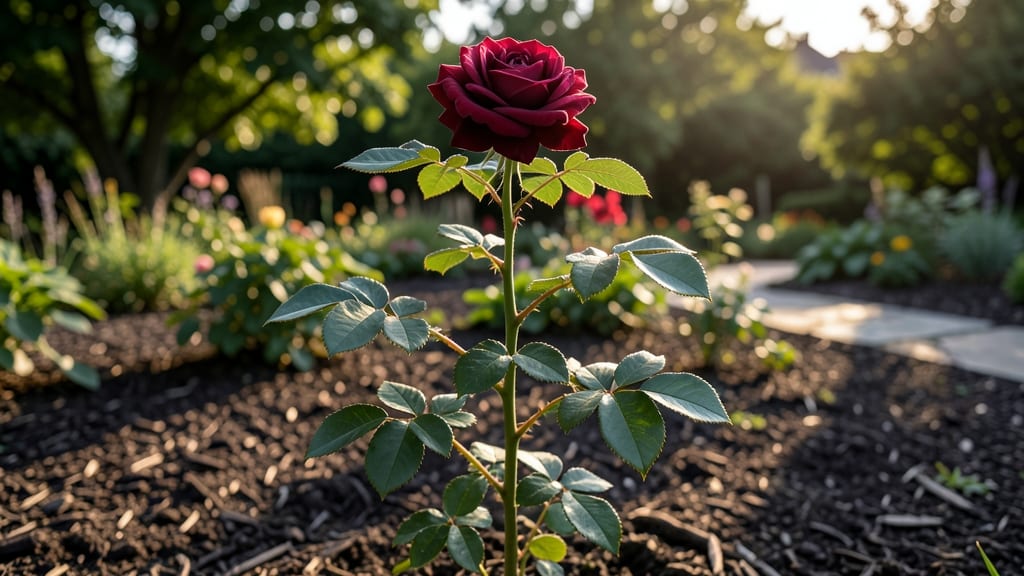
I’ve love the hybrid tea rose for its velvety petals and intoxicating fragrance—these dramatic blooms grow right in your own yard instead of costing a florist’s fee. ✨ They’ve become the centerpiece of my garden’s most photographed corner.
The secret to their showstopping performance isn’t luck—it’s pairing them with the right companions and giving them just enough attention to shine.
These roses thrive when planted where they’ll get at least six hours of sunlight daily, paired with moisture-retentive soil and a sturdy trellis for support. My go-to combinations include lavender for contrast, hydrangeas for softening their boldness, and ornamental grasses to sway in the breeze.
The color schemes are endless—deep reds against silver foliage, blush pinks with purple clematis—but the key is keeping the supporting cast simple so the roses remain the star.
With proper care, you’ll enjoy continuous blooms from early summer through fall, each stem worthy of a bouquet. The fragrance alone—sweet, rich, and intoxicating—makes them worth the effort.
And when you deadhead spent blooms and feed them regularly, they’ll reward you with larger, more abundant flowers than you’d expect from a home garden.
Perfect for formal gardens, cottage-style borders, or even container plantings on patios. They adapt beautifully to different styles, proving that florist-quality blooms aren’t just for cut flowers—they belong in your outdoor living space too.
📚 In This Guide
- What you need
- Instructions
- Tips and common mistakes
- Wrapping up and next steps
What you need
- ● Love Hybrid Tea Rose Bare-Root Plant: 1-3 plants (choose disease-resistant varieties like 'Love' or 'Double Delight').
- ● Well-draining potting mix: 5-10 gallons (look for a blend labeled for roses or amend garden soil with 30% compost).
- ● Container or garden bed: For containers: 15-20 gallon pots with drainage holes (terracotta or fabric grow bags work best).
- ● For in-ground: A sunny spot with 6+ hours of direct light and loose, fertile soil (pH 6.0-6.5).
- ● Organic fertilizer: 10-10-10 or rose-specific formula (e.g., Miracle-Gro Rose & Flower Food).
- ● Mulch: 2-3 inches of shredded bark or compost to retain moisture and suppress weeds.
- ● Pruning shears: Bypass pruners (sharp and clean to avoid disease).
- ● Gloves: Heavy-duty gardening gloves to protect from thorns.
- ● Stakes or trellis: 4-6 ft tall for support (especially for tall varieties).
- ● Drip irrigation or watering can: 1-2 gallons capacity for deep watering.
- ● Rose food or Epsom salt: 1 tbsp per plant monthly for extra magnesium (boosts bloom size!).
- ● Patience: Roses take 6-12 months to establish and bloom—plan ahead for your first showstopper flowers! 🌱
- ● Consistency: Regular watering (1-2 inches per week) and feeding (every 4-6 weeks during growing season).
- ● Disease prevention: Avoid overhead watering to prevent fungal issues (water at the base instead).
How to grow stunning hybrid tea roses at home
Here's my foolproof method for cultivating florist-quality roses in your garden.
🌱 Step 1: Select and Prepare Healthy Rose Bushes
Choose bare-root or container-grown hybrid tea roses from a reputable nursery. Look for 1-year-old canes with 3-5 buds—these establish fastest. If bare-root, soak the roots in lukewarm water for 4-6 hours before planting to rehydrate them. This jumpstarts growth and prevents transplant shock.
For container-grown roses, inspect the roots—healthy ones should be white or light tan, not brown or mushy. If you see blackened areas, trim them away with clean pruners. This ensures your plant starts with a strong foundation. I always plant in early spring, just as new growth begins to emerge.
🪴 Step 2: Plant in Well-Draining, Nutrient-Rich Soil
Dig a hole twice as wide as the root ball but only as deep as the container it came in. Hybrid tea roses thrive in loamy, well-draining soil with a pH of 6.0-6.5. Amend heavy clay soil with 2-3 inches of compost and 1 part perlite to improve aeration.
Place the rose in the hole so the graft union (a swollen area near the base) sits 2 inches below soil level. This protects the graft and encourages bushier growth. Backfill with soil, pressing gently to remove air pockets. Water deeply until the soil settles—you’ll see it sink about 1 inch. This ensures roots make immediate contact with moisture.
☀️ Step 3: Provide Full Sun and Consistent Care
Hybrid tea roses demand 6-8 hours of direct sunlight daily. A south-facing spot is ideal, but they’ll tolerate morning sun with afternoon shade in hot climates. After planting, apply 2-3 inches of organic mulch (like shredded bark) around the base to retain moisture and suppress weeds. Keep mulch 6 inches away from the stem to prevent rot.
Water deeply 2-3 times per week, soaking the soil to 12 inches down. You’ll know you’ve watered enough when the soil feels damp but not soggy. Overwatering leads to black spot disease, while underwatering causes buds to drop. I use a soaker hose for even distribution—this prevents wetting the foliage, which spreads fungal issues.
✂️ Step 4: Prune for Stronger Blooms and Disease Prevention
Prune in early spring before new growth starts. Remove dead, diseased, or crossing branches first—these compete for energy. Then cut back last year’s growth by one-third, making cuts just above an outward-facing bud. This opens the center for airflow and encourages larger, more abundant blooms.
Deadhead spent blooms weekly by snipping the stem just above a set of 5 leaves. This redirects the plant’s energy into producing new buds instead of seed pods. I also sterilize my pruners with rubbing alcohol between cuts to prevent bacterial spread. Regular pruning keeps your roses compact, healthy, and florist-worthy.
💧 Step 5: Feed and Protect for Year-Round Beauty
Fertilize every 4-6 weeks during the growing season with a balanced rose-specific fertilizer (10-10-10 ratio). Apply it after watering to prevent root burn. In late summer, switch to a low-nitrogen, high-phosphorus fertilizer to encourage fall blooms and winter hardiness.
Watch for aphids, Japanese beetles, or black spot fungus—common pests and diseases. Treat aphids with a strong spray of water, and remove infected leaves immediately. For prevention, spray foliage weekly with neem oil during peak growing months. With this care, your hybrid tea roses will bloom continuously from spring until frost, rivaling any florist arrangement.
Tips & tricks for growing florist-worthy hybrid tea roses
These insider secrets will help you cultivate roses that look like they came straight from a bouquet shop—without the florist price tag.
Root Rehydration Matters: That 4-6 hour soak for bare-root roses isn't just about hydration—it's about shock prevention. I've seen roses wilt dramatically when planted without this step. Use lukewarm water (around 70°F) and check the roots every hour—they should feel plump and springy when ready. Pro tip: Add a rooting hormone powder to the water for extra insurance on establishment.
Soil Science for Show-Stopping Blooms: The pH 6.0-6.5 range isn't arbitrary—it's where roses thrive. Test your soil before planting, and if it's off, amend with sulfur to lower pH or lime to raise it. For heavy clay soil, mix in that 2-3 inches of compost and 1 part perlite right into the hole—not just around it. This creates a perfect microclimate for roots to spread quickly, which translates directly to bigger blooms later.
Sunlight Strategy for Maximum Impact: Those 6-8 hours of sunlight are non-negotiable, but placement matters just as much. If your garden gets intense afternoon sun, consider a spot with morning sun and afternoon shade—this prevents leaf scorch while still giving the roses the light they crave. I've found that east-facing locations often produce the most vibrant blooms because they get gentle morning light without the harsh afternoon rays.
Pruning Precision for Professional Results: When you cut back last year's growth by one-third, make those cuts at a 45-degree angle just above an outward-facing bud. This isn't just aesthetic—it's about directing the plant's energy outward for bushier growth. I always make my cuts about 1/4 inch above the bud so they don't dry out. And remember: clean pruners are non-negotiable. I sterilize mine between every cut to prevent disease spread that can ruin your entire plant.
Pro Tips for Love Hybrid Tea Rose
- These insider secrets will help you cultivate roses that look like they came straight from a bouquet shop—without the florist price tag.
- Root Rehydration Matters: That 4-6 hour soak for bare-root roses isn't just about hydration—it's about shock prevention.
- Soil Science for Show-Stopping Blooms: The pH 6.0-6.5 range isn't arbitrary—it's where roses thrive.
Frequently asked questions
Got questions about growing and loving your hybrid tea roses? You’re not alone! Here are answers to the most common queries—from care tips to troubleshooting—so you can keep those stunning blooms thriving like a pro.
How often should I water my hybrid tea rose?
Water deeply 2-3 times per week during the growing season (spring-fall), ensuring the soil stays moist but not soggy. In hot climates, daily watering may be needed, while winter calls for less. Morning watering is ideal—it reduces fungal risks and gives roots a hydrated start. Mulch helps retain moisture!
When is the best time to prune hybrid tea roses?
Prune late winter or early spring (just before new growth starts) to shape your rose and encourage blooms. Avoid heavy pruning in fall—it stresses the plant. Deadhead spent blooms throughout the season to promote continuous flowering. Sterilize tools with rubbing alcohol between cuts to prevent disease.
Why are my hybrid tea rose leaves turning yellow?
Yellow leaves often signal overwatering, nutrient deficiency, or disease. Check soil moisture first—soggy roots cause stress. If yellowing spreads with black spots, it could be black spot fungus. Treat with neem oil or fungicide, and improve airflow by spacing plants 18-24 inches apart. Adjust care and monitor progress!
Can I grow hybrid tea roses in containers?
Choose a large container (at least 15 gallons) with drainage holes and use well-draining potting mix. Dwarf varieties like ‘Julia Child’ or ‘Double Delight’ thrive in pots. Place in full sun (6+ hours/day) and fertilize regularly. Winter care: Move indoors or wrap the pot to protect roots from freezing.
What’s the easiest way to propagate hybrid tea roses?
Try stem cuttings in late spring or early summer:
- Cut a 4-6 inch stem with 3-5 leaves from a healthy, non-flowering branch.
- Remove lower leaves and dip the cut end in rooting hormone.
- Plant in moist potting mix, cover with a plastic bag, and keep in bright, indirect light.
- Roots form in 4-8 weeks—transplant once established!
How do I protect hybrid tea roses in winter?
In cold zones (USDA 5-7), mulch the base with 4-6 inches of straw or leaves after the first frost. Wrap the canes loosely with burlap or rose cones to insulate them. In containers, move to a sheltered spot or wrap the pot. Avoid heavy mulch in spring—remove it gradually to prevent rot.
Wrapping up and next steps
Growing love hybrid tea roses at home isn’t just about adding beauty—it’s about cultivating joy, patience, and a touch of old-world charm to your garden. These stunning blooms prove that florist-level elegance is well within reach, even for beginners, with the right care and a little love.
Whether you’re drawn to their velvety petals or their intoxicating fragrance, these roses are a testament to nature’s artistry.
Ready to dive in? Start small—pick a single plant or a few cuttings—and let your green thumb flourish. Your garden (and future bouquets) will thank you! 🌹✨