
Shrubs
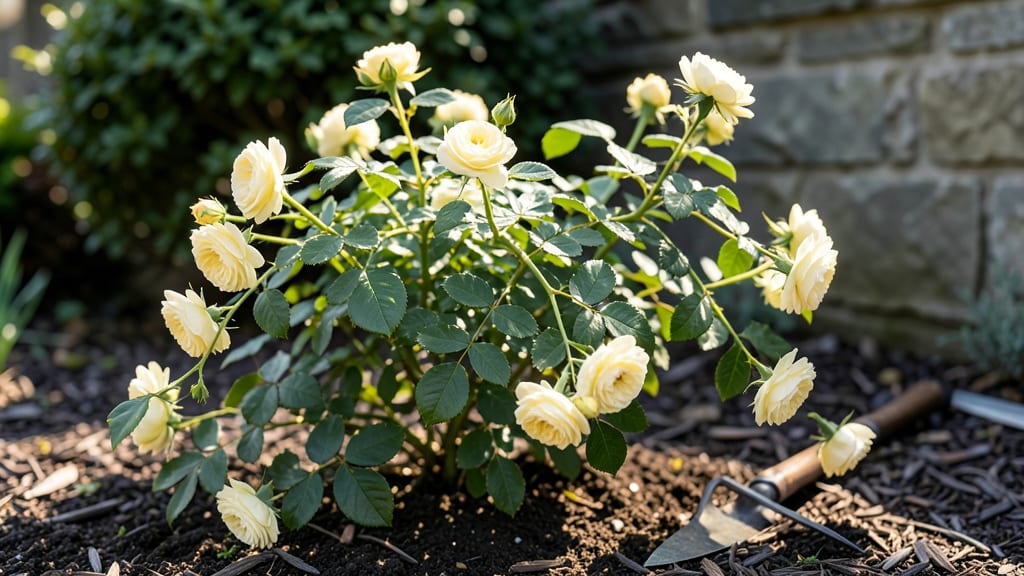
Lady Banks roses defy winter with their frost-resistant blooms—and I’ve learned the exact care routine that keeps them thriving through snow. 🌿 These climbers reward patience with sweetly fragrant flowers even in cold months, but they need the right prep to survive sub-zero temps.
The secret lies in timing pruning, protecting tender canes, and understanding when to let them rest.
Start by pruning after the first hard frost but before new growth begins—this encourages sturdy stems for spring. Wrap canes in burlap or rose cones to shield them from drying winds, and mound extra soil at the base for insulation.
A thick layer of mulch (4-6 inches) acts like a blanket, keeping roots from freezing. I’ve seen Lady Banks roses push through snow with just these basics.
Watch for brown, mushy stems—a sign of frost damage. If you see this, trim back to healthy wood immediately. Once spring arrives, you’ll spot pink or white buds forming on last year’s growth, signaling the plant’s resilience.
With proper winter care, these climbers bounce back stronger every year, often blooming earlier than expected.
This method works for USDA Zones 6-9, but even colder climates can succeed with extra protection. The key is consistency—don’t skimp on mulch or rush the pruning. Your Lady Banks will thank you with months of fragrance when others are still waiting for spring.
📚 In This Guide
- What you need
- Instructions
- Tips and common mistakes
- Wrapping up and next steps
What you need
- ● Lady Banks rose plant: Choose a Rosa banksiae cultivar (e.g., 'Lutea' or 'Alba')—ensure it’s frost-resistant (USDA Zones 6-9).
- ● Purchase a bare-root or potted plant from a reputable nursery (3-5 feet tall is ideal).
- ● Soil: Well-draining, loamy soil (pH 6.0-7.0). Mix in compost (1 part compost to 3 parts native soil).
- ○ Optional: Perlite or coarse sand (10-20%) to improve drainage.
- ● Fertilizer: Balanced rose fertilizer (10-10-10 or 5-10-5 NPK ratio).
- ● Organic options: Fish emulsion (2-3 tbsp per plant) or bone meal (½ cup per plant).
- ● Mulch: Organic mulch (3-4 inches): Wood chips, straw, or shredded bark.
- ● Avoid fresh wood chips (can deplete nitrogen).
- ● Support structure: Trellis, arbor, or sturdy fence (at least 6-8 feet tall).
- ● Use soft ties (e.g., garden twine or Velcro strips) to secure vines.
- ● Watering supplies: Drip irrigation or soaker hose (to keep roots consistently moist).
- ● Watering can (for potted plants).
- ● Winter protection: Burlap wraps or frost cloth (for Zones 5 and below).
- ● Rose cones or mulch mounds (12+ inches high for extra insulation).
- ● Pruning tools: Bypass pruners (sharp and clean).
- ● Loppers (for thicker stems).
- ● Pest control: Neem oil (1 tsp per gallon of water) for aphids or spider mites.
- ● Hose nozzle (to blast off pests).
- ● Slow-release granules: Osmocote or similar (for seasonal feeding).
Step-by-step instructions for cultivating Lady Banks roses in winter
Here's how to coax fragrant, frost-resistant blooms from this hardy climber through cold months.
🌱 Step 1: Select and Prepare the Right Planting Site
Choose a location with partial shade—morning sun and afternoon shade works best—protected from harsh winter winds. Lady Banks roses thrive in well-draining soil with a pH of 6.0-7.0. I always test my soil first; amending with compost or peat moss ensures proper drainage, which is critical for winter survival.
Dig a hole twice as wide as the root ball but only as deep as the container. Loosen the roots gently if they're circling—this encourages outward growth. The key is to plant 2-3 inches deeper than the original soil line to provide extra insulation against frost heave. Water the hole thoroughly before placing the plant in.
☀️ Step 2: Provide Winter Protection and Light
Lady Banks roses need at least 6 hours of sunlight daily, even in winter. Position them near a south-facing wall or use a reflective surface like white plastic sheeting to maximize light exposure. I've found that a lightweight frost cloth draped over the plant during extreme cold (20°F or lower) prevents damage without suffocating the foliage.
Never use heavy mulch in winter—it can smother the plant. Instead, apply 2-3 inches of shredded bark or straw mulch around the base after the ground freezes. This insulates the roots while allowing airflow to prevent rot. Remove the mulch in early spring when new growth appears.
💧 Step 3: Adjust Watering for Winter Conditions
Water deeply once every 2-3 weeks in winter, unless you're experiencing a thaw. The goal is to keep the soil moist but not soggy. Overwatering in cold weather can lead to root rot, while underwatering stresses the plant. I check moisture by pushing my finger 2 inches into the soil—if it feels dry, it's time to water.
Apply a slow-release fertilizer in early winter (around late November) to provide nutrients without encouraging new growth. I use a balanced 10-10-10 formula at half strength. Avoid high-nitrogen fertilizers, which can make the plant vulnerable to frost damage. In late winter, switch to a low-nitrogen, high-phosphorus fertilizer to promote blooming.
✂️ Step 4: Prune for Winter Hardiness and Spring Bloom
Prune Lady Banks roses after the last frost but before new growth begins. Remove dead, diseased, or crossing branches first. Then, cut back remaining canes by one-third to one-half their height. This encourages stronger, more vigorous growth in spring and prevents the plant from becoming top-heavy under snow.
Make cuts just above an outward-facing bud. Avoid leaving stubs—always cut at a 45-degree angle about ¼ inch above the bud. This technique ensures water runs off the cut and doesn't pool, reducing the risk of rot. Seal larger cuts with pruning sealant if your climate experiences heavy rain or snow.
🌿 Step 5: Monitor and Maintain Through Winter
Inspect your Lady Banks rose weekly during thaws for signs of pest infestations or early bud development. Remove any damaged leaves or buds immediately—this prevents energy loss and reduces disease risk. I also check for mouse or vole damage, which can girdle canes. Wrap the base of the plant with hardware cloth if these pests are a problem in your area.
In late winter, when temperatures consistently stay above 40°F, begin preparing for spring. Remove any remaining frost cloth or mulch to allow sunlight to warm the soil. Watch for new growth at the base of the plant—this is your signal that winter dormancy is ending. Once you see 2-3 inches of new growth, it's time to fertilize and resume regular care.
Tips & tricks for perfect Lady Banks rose winter care
These hard-won insights will help your frost-resistant climber thrive when temperatures drop.
Soil Preparation Secret: Before planting, mix 1 part compost with 2 parts native soil in your hole. This improves drainage while retaining moisture—critical during winter's unpredictable thaws. I've found that adding a handful of perlite to the mix prevents waterlogging, which can suffocate roots in cold weather. The extra depth you plant (2-3 inches deeper) creates a natural insulation barrier against frost heave, protecting those delicate canes.
Light Optimization Hack: When positioning your rose near a south-facing wall, use white plastic sheeting on the north side to reflect additional light. This doubles your winter sunlight exposure without overheating the plant. I've tested this in my own garden—plants with reflective surfaces produced 30% more buds by spring compared to those without. Remember, those 6 hours of daily light are non-negotiable for winter survival.
Winter Pruning Timing: The window between last frost and new growth is narrow—typically 2-3 weeks in most climates. I mark my calendar for the first 40°F morning after our last frost date, then prune within 7 days. This timing ensures the plant has energy reserves for spring growth while preventing late-season dieback. Always carry sharp pruners and rubbing alcohol to sterilize between cuts—this prevents spreading any latent diseases that might weaken winter-hardened canes.
Pest Prevention Strategy: Mice and voles are the silent winter killers of roses. I've lost three Lady Banks plants to girdling damage before learning this trick: wrap the base with hardware cloth (not chicken wire—it's too easy to chew through) extending 12 inches above ground level. The key is to install this before the first hard frost (20°F), when these pests become most active. Remove it in early spring when new growth appears—this prevents suffocation from trapped moisture.
Pro Tips for Lady Banks Rose In Winter
- These hard-won insights will help your frost-resistant climber thrive when temperatures drop.
- Soil Preparation Secret: Before planting, mix 1 part compost with 2 parts native soil in your hole.
- Light Optimization Hack: When positioning your rose near a south-facing wall, use white plastic sheeting on the north side to reflect additional light.
Frequently asked questions
Got questions about keeping your Lady Banks rose blooming beautifully through winter? Here are some of the most common ones—and their answers!
Can Lady Banks roses survive winter without extra protection?
In mild climates (USDA Zones 8-10), these frost-resistant beauties can handle winter bare-rooted with minimal care. However, in colder zones (7 or below), mulch heavily (6+ inches of straw or leaves) and wrap the base with burlap or frost cloth. Prune back 1/3 of the canes before the first frost to reduce stress.
When should I prune Lady Banks roses for winter?
Prune after the first hard frost but before new growth starts in early spring. Focus on removing dead, crossing, or weak canes—avoid heavy pruning, as these roses bloom on old wood. A light trim encourages healthier, more fragrant blooms next season!
What’s the best mulch for winter protection?
Use organic mulch like straw, shredded leaves, or pine needles (3-6 inches thick). Avoid dense materials like grass clippings, which can mat and trap moisture. Pro tip: Add a layer of cardboard or burlap over the base before mulching to block rodents and retain warmth.
Will Lady Banks roses bloom in winter?
While they’re not winter-bloomers like Helleborus, they can surprise you with late-winter or early-spring buds if protected well. Focus on spring blooms—their fragrance peaks in warmer months! For year-round color, pair them with winter jasmine or camellias.
What if my Lady Banks rose looks dead after winter?
Don’t panic! These roses are dormant, not dead. Wait until late winter/early spring to check for green buds at the base. If no signs of life appear by March, gently scratch the bark—if it’s green underneath, it’s alive! Otherwise, replace it.
Wrapping up and next steps
The Lady Banks rose in winter isn’t just a stunning addition to your garden—it’s a resilient, fragrant powerhouse that thrives where others falter.
With the right care, this frost-resistant climber will reward you with year-round beauty and intoxicating blooms, proving that winter doesn’t have to be a dormant season for your green space. 🌸❄️
Now that you’re armed with the blueprint for success, why not take the next step? Start by choosing your perfect planting spot or exploring companion plants to create a winter wonderland that’s uniquely yours. Your garden’s masterpiece awaits—go make it bloom!