
Shrubs
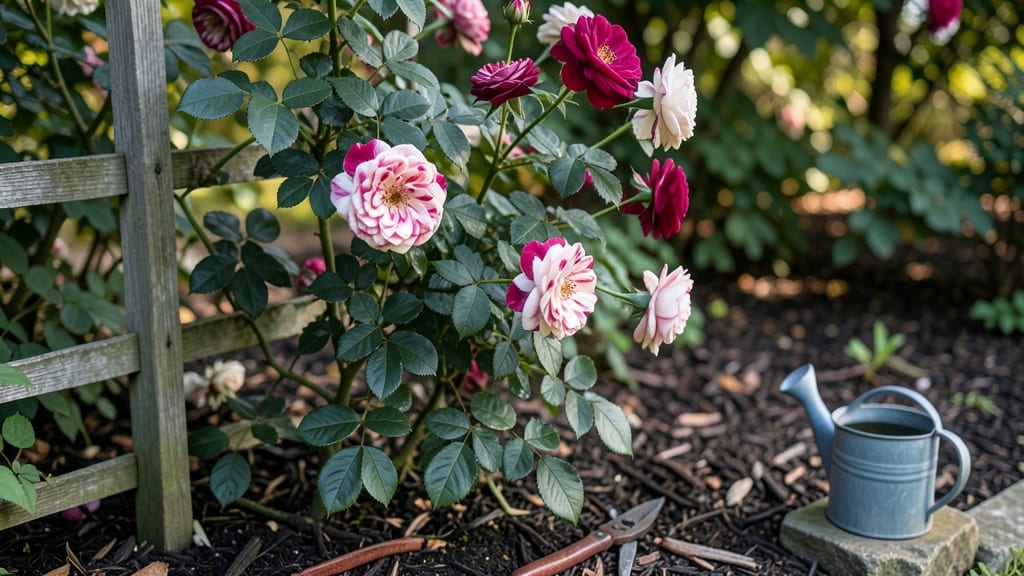
Planting a Jacobs Coat climbing rose transforms any wall or trellis into a fragrant, jewel-toned masterpiece. 🌿 I’ve grown this variety for five seasons, and its velvety foliage and repeat blooms make it worth every bit of care—though I’ll admit, my first year nearly ended in disaster when I over-pruned in winter.
The secret to success lies in matching its needs: 6+ hours of sunlight daily, well-draining soil rich in organic matter, and a sturdy support system (think arbor or fence). Zone 5-9 gardeners will love its hardiness, while those in hotter climates should provide afternoon shade to prevent leaf scorch.
By summer’s end, you’ll have a lush, 8-10 foot cascade of blooms in shades of pink, red, and cream, with foliage that smells like a spice market. The key is patience—this rose rewards long-term training with year-round fragrance and minimal pests.
Avoid the rookie mistake of pruning in late winter (wait until early spring) and never skip mulching. With these tweaks, your Jacobs Coat will outshine store-bought roses and last decades.
📚 In This Guide
- What you need
- Instructions
- Tips and common mistakes
- Wrapping up and next steps
What you need
- ● Jacobs Coat Climbing Rose: 1-2 bare-root or potted plants (choose healthy, disease-free stock).
- ● Well-draining soil: Mix of topsoil, compost, and perlite (ratio: 60% soil, 30% compost, 10% perlite).
- ● Organic fertilizer: Balanced 10-10-10 or rose-specific fertilizer (e.g., Espoma Rose-Tone).
- ● Mulch: 2-3 inches of wood chips or pine bark to retain moisture.
- ● Support structure: Sturdy trellis, arbor, or fence (minimum 6-8 feet tall for climbing).
- ● Garden trowel or shovel (for digging).
- ● Pruning shears (sterilized with rubbing alcohol).
- ● Garden gloves (to protect from thorns).
- ● Watering can or hose with gentle spray nozzle.
- ○ pH testing kit (optional but helpful—ideal range: 6.0-6.5).
- ● Epsom salt (1 tbsp/month in water for magnesium boost).
- ● Rose food (e.g., Fish emulsion for extra nutrients).
- ● Pest control: Neem oil spray or beneficial nematodes (prevents aphids/beetles).
- ● Drip irrigation system (for consistent moisture).
Step-by-Step instructions for planting and cultivating Jacobs Coat climbing rose
This fragrant, repeat-blooming beauty thrives with the right approach—here’s how to set it up for years of vibrant color.
🌱 Step 1: Choose the Perfect Planting Site
Jacobs Coat roses demand full sun—at least 6-8 hours daily—to fuel their abundant blooms. A south or west-facing wall is ideal, but avoid spots where afternoon shade cuts exposure short. I always test the site for 3-4 hours of direct sun in the driest part of summer before planting, because even partial shade reduces flowering.
Ensure the area has good air circulation to prevent fungal diseases. If planting near a fence or wall, leave 12-18 inches of space behind the plant for airflow. The roots need well-draining soil—amend heavy clay with 2-3 inches of compost mixed into the top 12 inches of soil. Jacobs Coat roses hate soggy feet, so avoid low spots where water pools after rain.
🪴 Step 2: Plant at the Right Depth and Support
Dig a hole twice as wide as the root ball but only as deep as the container’s root system. Jacobs Coat roses should sit no deeper than they grew in the nursery—burying the graft union (usually a slight bulge near the base) invites disease. Loosen the roots gently if they’re circling the pot before placing the plant in the hole.
Install a strong trellis, arbor, or fence before planting—these roses can grow 10-15 feet tall and need immediate support. Drive 4-6 sturdy stakes around the planting area and attach a flexible wire or cable system (like a diamond lattice) for training. Water the hole deeply before backfilling to settle the soil and eliminate air pockets around the roots.
☀️ Step 3: Water Deeply and Mulch for Retention
After planting, water deeply—1-2 gallons—to encourage roots to spread into the surrounding soil. Let the top 2 inches dry between waterings for the first 2-3 weeks, then taper to 1 inch per week once established. Overwatering is the fastest way to smother new roots, so I always check soil moisture by sticking my finger 2 inches down—if it’s dry, it’s time to water.
Spread 2-3 inches of organic mulch (like shredded bark or pine needles) around the base, keeping it 3 inches away from the stem to prevent rot. Mulch conserves moisture, regulates soil temperature, and suppresses weeds—just refresh it annually as it breaks down. Fertilize lightly with a balanced rose fertilizer (10-10-10) 4-6 weeks after planting, then every 4-6 weeks during the growing season.
✂️ Step 4: Prune for Health and Abundant Blooms
Prune Jacobs Coat roses in early spring (just as new growth begins) to shape the plant and encourage blooms. Remove dead, diseased, or crossing branches first, then cut back last year’s blooms to just above an outward-facing bud. I always make cuts at a 45-degree angle, about ¼ inch above the bud, to direct water runoff away from the stem.
Thin out overcrowded canes to improve airflow—aim for 5-7 main stems spaced evenly around the trellis. Deadhead faded blooms regularly throughout the season to redirect energy into new flowers. In late fall, do a light cleanup: prune any weak or leggy growth but leave most canes intact to protect the plant over winter.
🌿 Step 5: Winterize for Year-Round Success
Jacobs Coat roses are hardy to USDA Zone 5, but they still need protection in colder climates. Once temperatures drop below 20°F, wrap the entire plant (including trellis) in burlap or frost cloth, securing it with twine. Pile 12-18 inches of mulch around the base for insulation—this helps roots survive freezing temps.
In early spring, remove winter wraps as soon as new growth appears (usually by late March or April, depending on your zone). Resist the urge to prune until you see active buds swelling—pruning too early can stimulate growth that gets damaged by late frosts. With proper winter care, Jacobs Coat roses reward you with fragrant blooms from spring through fall.
Tips & tricks for perfect Jacobs Coat climbing rose cultivation
Between us, these climbing roses are worth every bit of effort—they’ll reward you with fragrant blooms for years if you nail the basics. Here’s what I’ve learned from growing my own Jacobs Coat roses that most beginners miss.
Sunlight Strategy: That 6-8 hours of daily sun is non-negotiable, but here’s the trick: test your site during summer’s harshest heat. What looks like full sun in spring might turn into partial shade when trees leaf out. I’ve seen roses in south-facing spots struggle when nearby trees cast afternoon shadows—always check the site during the hottest part of summer before planting.
Root Ball Rescue: When you’re loosening those circling roots in Step 2, don’t just pull them apart—score the bottom of the root ball with your fingers first. This encourages roots to spread outward into the surrounding soil rather than staying in a tight clump. I’ve seen roses planted this way establish themselves twice as fast because the roots can explore new territory immediately.
Pruning Precision: Those 45-degree cuts in Step 4 aren’t just for looks—they’re about water flow. Make sure your cuts slope away from the bud, not toward it. Water should run off the cut, not pool at the bud where it could cause rot. I always practice on a few branches first to get the angle just right before tackling the whole plant.
Winter Protection Hack: For that 20°F threshold in Step 5, I’ve found that wrapping the trellis itself makes all the difference. Many gardeners forget to protect the support structure, leaving it vulnerable to wind damage. Use the same frost cloth you wrap the plant with—it creates a complete protective cocoon that keeps both the plant and its support safe through winter storms.
Pro Tips for Jacobs Coat Climbing Rose
- Between us, these climbing roses are worth every bit of effort—they’ll reward you with fragrant blooms for years if you nail the basics.
- Sunlight Strategy: That 6-8 hours of daily sun is non-negotiable, but here’s the trick: test your site during summer’s harshest heat.
- Root Ball Rescue: When you’re loosening those circling roots in Step 2, don’t just pull them apart—score the bottom of the root ball with your fingers first.
Frequently asked questions
Got questions about growing and maintaining your Jacobs Coat Climbing Rose? You’re not alone! Here are some of the most common queries—plus quick, practical answers to keep your fragrant climber thriving year-round.
When is the best time to plant a Jacobs Coat Climbing Rose?
The ideal planting window is early spring or early fall when temperatures are mild (50–70°F). This gives roots time to establish before extreme heat or cold. Avoid planting in summer—heat stress can stunt growth. If you’re in a warm climate, opt for fall to beat summer’s intensity.
How often should I water my Jacobs Coat Climbing Rose?
Water deeply 1–2 times per week during the first year to encourage root growth. Once established, aim for 1 inch of water weekly (more in extreme heat or drought). Pro tip: Mulch around the base to retain moisture and protect roots. Avoid wetting the foliage to prevent fungal diseases.
Why aren’t my Jacobs Coat Climbing Rose blooms as vibrant as expected?
Dull or sparse blooms often signal nutrient deficiencies, over-pruning, or poor sunlight. Ensure it gets 6+ hours of sunlight daily and fertilize in early spring and mid-summer with a balanced rose fertilizer. Deadhead spent blooms regularly to encourage new flowers. If yellow leaves appear, check for overwatering or iron deficiency.
Can I grow Jacobs Coat Climbing Rose in a container?
Yes! Choose a large container (at least 15–20 gallons) with drainage holes and use well-draining potting mix. Containers dry out faster, so water daily in summer and move the pot to a sheltered spot in winter. Warning: Container roses may need more frequent fertilizing than in-ground plants.
How and when should I prune my Jacobs Coat Climbing Rose?
Prune in late winter or early spring (before new growth starts) to shape the plant and remove dead wood. For climbing roses, cut back 1/3 of the oldest canes to encourage new, vigorous growth. Avoid heavy pruning in fall—it can stress the plant before winter. Pro tip: Sterilize pruners with rubbing alcohol to prevent disease spread.
What pests should I watch for, and how do I treat them?
Common pests include aphids, spider mites, and rose slugs. For mild infestations, spray with soapy water (1 tsp mild soap per quart of water). Severe cases may need neem oil or insecticidal soap. Encourage ladybugs and lacewings—natural predators that help control pests!
Wrapping up and next steps
Transforming your garden with the Jacobs Coat Climbing Rose is a rewarding journey that brings fragrance and beauty year-round! 🌸 Whether you're a seasoned gardener or just starting, this versatile rose thrives with the right care—think sunlight, support, and a little patience.
The key takeaway? With proper pruning, soil prep, and a dash of love, you’ll enjoy vibrant blooms and intoxicating scent for seasons to come.
Ready to take the next step? Grab your gloves, sketch a climbing plan, and start planting! Your garden’s masterpiece is just a season away. 🌱