
Watering
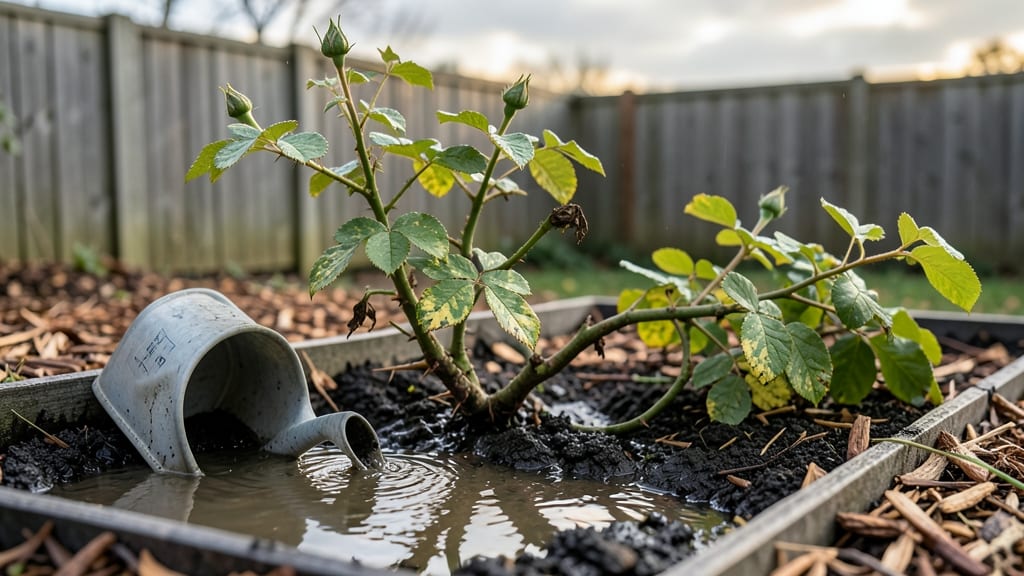
Is your rose suffering from iron deficiency, overwatered roots, or mysterious diseases—here are the telling pictures and fixes you need to diagnose (and heal) it fast. watering habits. Iron deficiency shows as pale yellow leaves between veins, while overwatering creates mushy stems and fungal spots.
Blackened canes often mean botrytis or root rot, both fixable with better airflow and soil drainage. The pictures in this guide show exactly what to watch for. By the end, you’ll know how to revive struggling roses with targeted treatments—no more guessing whether it’s thirst or sickness.
Your plants will bounce back with deeper greens and stronger canes in just a few weeks. Works for hybrid teas, climbers, and shrub roses alike. Let’s get those blooms back to their best!
Root Causes Of Weakened Roses
When your roses start showing signs of iron deficiency or overwatering-related diseases, the problem usually stems from underlying issues in their care. Understanding these root causes helps you take corrective action before the damage becomes irreversible. Here’s why these issues occur—and how they intertwine.
Iron deficiency in roses isn’t just about a lack of iron—it’s often a soil chemistry imbalance. Here’s why it happens:
- Alkaline Soil Locks Out Iron Roses need iron in a form called ferrous (Fe²⁺), but in alkaline soils (pH 7.0+), iron binds to calcium and becomes unavailable. Even if iron is present, the plant can’t access it. Test your soil’s pH—if it’s above 7.0, that’s your first clue.
- Overwatering Creates Anaerobic Zones Too much water displaces oxygen in the root zone, forcing roots to struggle for nutrients. Without oxygen, beneficial microbes that help solubilize iron can’t do their job, leaving your roses starved even if iron is in the soil.
- Competition From Other Nutrients High levels of phosphorus, manganese, or zinc can outcompete iron for uptake. If your fertilizer is heavy on these elements (common in synthetic blends), iron gets sidelined.
- Cold, Waterlogged Roots Iron uptake slows in temperatures below 50°F (10°C). If your roses are in soggy soil during cool seasons, their roots become sluggish, worsening deficiency.
💡 Pro Tip: Amend soil with chelated iron (like iron sulfate or EDTA) or use acidifying agents (elemental sulfur, pine needles) to lower pH. But first, fix drainage—iron supplements won’t help if roots are drowning.
Overwatering doesn’t just drown roots—it creates the perfect storm for diseases and nutrient deficiencies. Here’s how:
- Oxygen Starvation 🚫O₂ Roots need oxygen to respire and absorb nutrients. When soil stays soggy, roots suffocate, leading to: - Blackened canes (from fungal infections like Botrytis or Phytophthora) - Yellowing leaves (chlorosis, often confused with iron deficiency)
- Fungal & Bacterial Blooms 🍄🦠 Excess moisture invites pathogens like: - Cylindrocladium (black root rot) - Verticillium wilt (stunted growth, wilting) - Pythium (root rot, mushy stems) These diseases block nutrient uptake, making iron deficiency worse.
- Leaching Of Essential Nutrients 🚿 Overwatering flushes away nutrients—including iron—before roots can absorb them. A single heavy watering can wash away weeks’ worth of stored nutrients.
- Poor Root Development 🌱→💀 When roots can’t breathe, they stop growing and may even die back. New, healthy roots are needed to access iron and other nutrients—without them, your rose is doomed to decline.
🔥 Warning Sign: If your rose’s leaves are yellow between veins (iron deficiency) and the soil smells like rot, overwatering is likely the culprit. Stop watering immediately and let the soil dry out.
Iron deficiency and overwatering don’t exist in isolation—they create a vicious cycle:
| Overwatering Leads To... | Which Then Causes... |
|---|---|
| 🌧️ Soggy soil → Oxygen deprivation | 🍃 Roots can’t absorb iron → Yellow leaves (chlorosis) |
| 🍄 Fungal growth → Root damage | 🌱 Reduced nutrient uptake → Weakened plant immunity |
| 🚿 Nutrient leaching → Iron loss | 🔄 More iron deficiency → Further stress |
🎯 The Fix: Break the cycle by:
- Improving drainage (raise beds, add sand/compost).
- Watering deeply but infrequently (1-2 inches per week, max).
- Testing soil pH and amending if alkaline.
- Avoiding synthetic fertilizers high in P/K (use organic or balanced blends).
Fixing Your Roses Naturally
Reviving your roses from iron deficiency and overwatering starts with targeted care. Below, we’ll map out practical solutions for each issue—plus prevention tips to keep your plants thriving. No guesswork, just actionable steps!
Iron deficiency (chlorosis) often shows as yellowing leaves with green veins—a classic sign your roses aren’t absorbing enough iron. Here’s how to restore balance:
🔥 Boost Iron Absorption Fast
- Use chelated iron supplements (like iron chelate or ferrous sulfate) applied directly to the soil or foliage. Follow label doses—overdoing it can harm roots.
- Lower soil pH (aim for 6.0–6.5).
Test your soil with a kit, then amend with sulfur or peat moss if needed. 💡 Pro tip: Avoid lime if your roses are iron-deficient!
🍳 Feed the Right Way
- Organic options: Mix compost, worm castings, or fish emulsion into the soil.
These release nutrients slowly and improve microbial activity, helping roots access iron. - Quick fix: Sprinkle Epsom salt (magnesium sulfate) around the base—it aids iron uptake (but don’t overuse; 1 tbsp per gallon of water is plenty).
🌡️ Prevent Future Deficiencies
- Mulch properly: Use wood chips or straw to retain moisture without suffocating roots.
Keep mulch 2–3 inches away from the stem. - Water deeply but less often: Roses hate soggy soil. Water at the base in the morning, and let the top 1–2 inches of soil dry out between waterings.
Blackened canes, wilting leaves, or mushrooms at the base? Overwatering is starving your roses of oxygen. Here’s how to dry them out safely:
👨🍳 Drain and Aerate
- Stop watering immediately and let the soil dry. If the ground stays soggy for days, your roses may need rescue.
- Improve drainage: Dig a 1-inch-deep trench around the plant to redirect water.
Add perlite or coarse sand to heavy clay soil. - Raise beds (if possible): If your garden floods, consider elevating the planting area with a mound of soil or a raised bed.
⏰ Prune Damaged Areas
- Snip off blackened or mushy canes with sterilized pruners (clean with rubbing alcohol). Cut just above a healthy bud to encourage new growth.
- Remove diseased leaves to prevent fungal spread. Toss them in the trash—don’t compost!
🔪 Root Rescue for Severe Cases
If roots smell rotten or are mushy:
- Dig carefully to expose roots.
- Trim blackened roots with pruners.
- Replant in fresh, well-draining soil mixed with compost and perlite.
- Water lightly for the first week, then taper off.
✅ Water smarter: Use a moisture meter or the finger test (stick your finger 2 inches deep—if dry, water). ✅ Check drainage: If water pools after rain, your soil needs amending. ✅ Space plants properly: Crowded roses compete for nutrients and air circulation. ✅ Monitor leaves: Yellowing between veins?
Test soil pH. Black spots? Reduce watering.
Remember: Roses are tough but need balance—too much water chokes them, while iron deficiency leaves them weak. With these fixes, your plants will bounce back greener and stronger in no time! 🌿💚
Frequently asked questions
How can I tell if my rose's yellow leaves mean iron deficiency or overwatering?
Check the leaf pattern: iron deficiency shows as yellowing between veins (chlorosis), while overwatering causes uniform yellowing or brown spots. Also, dig near the roots—if soil smells rotten, overwatering is likely. Iron-deficient leaves often stay green along veins.
What's the fastest way to fix iron deficiency in roses?
Use chelated iron (like iron sulfate) applied directly to soil or foliage. For quick results, mix 1 tablespoon Epsom salt with 1 gallon water and water the base. Pair this with lowering soil pH (aim for 6.0-6.5) using sulfur or composted pine needles.
Can I save a rose with blackened canes from overwatering?
Yes, but act fast! Prune all blackened/mushy canes with sterilized shears, then improve drainage by amending soil with perlite or sand. Water only when top 1-2 inches of soil are dry. If roots are severely rotted, replant in fresh, well-draining soil mixed with compost.
Why does my rose keep getting fungal diseases even after I fixed the watering?
Fungal spores often linger in soil or mulch. After fixing drainage, sterilize tools with rubbing alcohol and remove all infected leaves/debris. Space plants 3-4 feet apart for airflow, and consider copper fungicide as a preventive spray during rainy seasons.
How often should I water roses to prevent both deficiency and rot?
Water deeply 1-2 times per week (1-2 inches total), letting soil dry between waterings. Use the finger test: stick your finger 2 inches deep—if dry, water. Avoid wetting leaves to prevent fungal spread. Mulch with wood chips (2-3 inches thick) to retain moisture without suffocating roots.