
How To
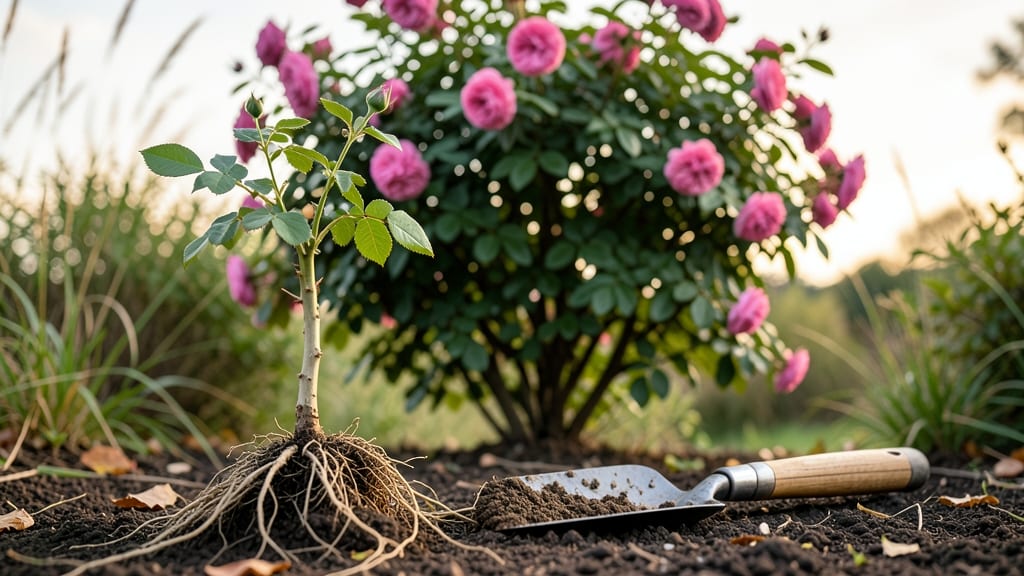
Planting a Knock Out rose 🌹 the right way means lush, continuous blooms from May through October with almost no fuss—if you nail the soil and spacing from the start.
Picture this: You’ve waited all winter for spring planting, and now your Knock Out rose is in the ground—only to watch it struggle with yellowing leaves or weak stems. That’s what happens when soil prep and spacing go wrong, and it’s 100% avoidable with a few simple steps.
In this guide, I’ll walk you through the exact soil prep your roses need (think pH, drainage, and organic matter), the perfect spacing to prevent disease, and the first-care tips that set your plants up for years of effortless blooms.
By the end, you’ll know how to plant a Knock Out rose like a pro—no guesswork, no wasted time, just healthy, vibrant bushes that turn heads all season long.

Perfect soil preparation for Knock Out roses: pH, drainage & nutrient secrets
Your Knock Out roses need the right foundation to thrive, and that starts with perfectly prepped soil. These roses love well-draining, nutrient-rich soil with a slightly acidic pH—between 6.0 and 6.5.
Without the right conditions, even the hardiest Knock Out varieties can struggle with stunted growth or disease. Let’s fix that with expert soil prep techniques.
First, test your soil’s pH level using a simple home test kit or send a sample to your local cooperative extension service. Knock Out roses despise alkaline soil (above 7.0), which locks out essential nutrients like iron and manganese.
If your soil is too acidic (below 6.0), add lime to raise the pH gradually. For alkaline soil, mix in sulfur or peat moss to lower it over time.
Drainage is just as critical. Poor drainage leads to root rot, a silent killer of roses. Test your soil’s drainage by digging a 12-inch-deep hole and filling it with water. If it drains in less than 30 minutes, you’re good.
If water pools after an hour, amend the soil with sand or perlite to improve airflow. Heavy clay soil? Mix in compost or coconut coir to loosen it up.
Organic matter is the secret weapon for Knock Out roses. Work in 2-3 inches of compost or aged manure into the top 12 inches of soil. This boosts microbiome activity, helping roots access nutrients like nitrogen, phosphorus, and potassium. For extra vigor, add a slow-release organic fertilizer like bone meal or fish emulsion at planting time.
| Soil Factor | Ideal Specification | How to Fix |
|---|---|---|
| pH Level | 6.0–6.5 (slightly acidic) | Add lime (raise pH) or sulfur (lower pH) |
| Drainage | Water drains in <30 minutes | Mix in sand, perlite, or compost |
| Organic Matter | 20–30% compost/manure | Work in 2–3 inches of compost |
| Nutrients | Balanced NPK (10-10-10) | Add bone meal or fish emulsion |
| Texture | Loamy (not clay or sandy) | Amend with coconut coir or peat |
Avoid the common mistake of over-amending with fresh manure, which can burn roots due to high ammonia levels. Always use aged compost or well-rotted manure to keep nutrients safe for your roses. Another pitfall? Skipping soil prep in heavy clay or sandy soil.
These extremes need extra attention—clay retains too much water, while sand drains too quickly. Mix in equal parts compost and perlite for clay, or compost and peat moss for sand.
For container-grown Knock Out roses, use a well-draining potting mix blended with 20% perlite or vermiculite. Avoid garden soil in pots—it compacts and suffocates roots. Repot every 2-3 years to refresh nutrients, and always include a slow-release fertilizer at planting.
After amending, give your soil a final fluff with a garden fork to aerate it. This step is often overlooked but ensures roots can spread easily.
Water deeply to settle the soil around your new rose’s roots, and mulch with 2-3 inches of shredded bark or straw to lock in moisture and regulate temperature. Avoid mulching too close to the stem base—keep it 2 inches away to prevent rot.
Now your soil is ready for Knock Out rose planting. The right prep means fewer pests, bigger blooms, and years of effortless color. Just remember: test, amend, and aerate—your roses will reward you with vibrant, disease-resistant blooms all season long.
Knock Out rose spacing & planting depth: avoid these common mistakes
Getting the spacing and planting depth right for your Knock Out rose makes the difference between a thriving shrub and one that struggles with disease or weak growth.
Too close? You’ll smother the roots and invite fungal issues. Too deep? The crown will rot before it ever blooms. Let’s fix this once and for all.
I’ve seen gardeners make these mistakes time and again—planting too shallow, crowding bushes, or ignoring the crown position. The good news? Correcting these issues is simple once you know the exact measurements and techniques. Here’s how to do it right the first time.
⚠️ Critical Mistake Alert: Planting Too Deep or Too Shallow
Problem: Planting the crown below soil level causes rot, while burying it too high starves roots and weakens growth. Both lead to stunted blooms and poor health.
Solution: The crown (where stems meet roots) must sit 1-2 inches above soil. Use this trick: After planting, the top of the root ball should be level with the surrounding soil, with the crown peeking out.
Pro Tip: Mark your hole’s depth with a stake before digging. This ensures consistency across multiple plants.
Start by digging a hole twice as wide as the root ball but only as deep as the container’s drainage holes. This prevents root binding and ensures the roots can spread naturally.
For Knock Out roses, aim for a hole that’s 12-18 inches wide—wide enough to avoid future crowding.
When placing your rose in the hole, loosen the roots gently if they’re circling the root ball. This encourages outward growth instead of suffocating the plant. Then, position the crown 1-2 inches above soil level.
Backfill with native soil mixed with compost (equal parts) to improve drainage and fertility. Avoid heavy amendments like peat moss, which can compact.
After backfilling, water deeply to settle the soil and remove air pockets. The top inch of soil should stay moist but not soggy. Mulch around the base with 2-3 inches of organic mulch (like shredded bark) to retain moisture and regulate temperature.
Keep mulch away from the crown to prevent rot.
If you’ve already planted too deep, don’t panic. Gently excavate the soil around the base to expose the crown, then mound soil around the roots to raise it to the correct level.
For shallow planting, add a 1-inch layer of soil around the base and water thoroughly. These fixes work best in early spring before active growth begins.
With the right spacing and depth, your Knock Out rose will reward you with bold blooms all season—and minimal fuss. Now go enjoy that vibrant garden you’ve been dreaming of! 🌹