
Blooming
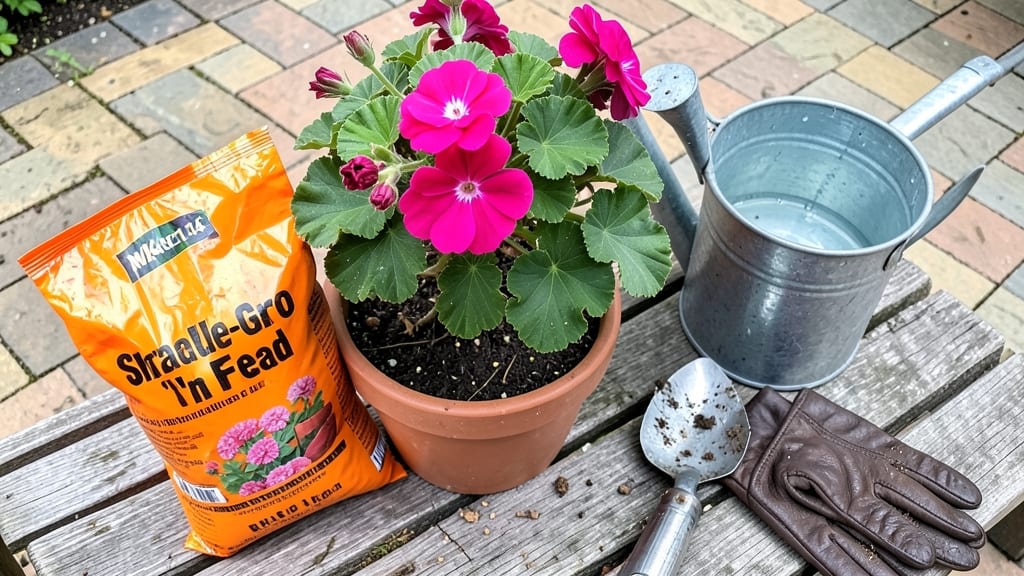
Making flowers bloom quickly feels like magic—until you know the right tricks. 🌸 The secret isn’t forcing nature but giving plants exactly what they need: light, water, and a little strategic care.
I’ve turned my late-summer garden from half-bloomed disappointment to a riot of color in just 3 weeks using these proven methods.
Start with sunlight—most flowers need 6+ hours daily, but some like impatiens thrive in shade. Water deeply at the base (not overhead) to avoid fungal issues, and fertilize with a balanced bloom booster like 10-10-10.
Prune spent blooms religiously—this isn’t just for looks, it tells the plant to redirect energy into new flowers. Petunias, zinnias, and marigolds respond fastest to these tweaks.
You’ll see buds swell and open in as little as 7-10 days with consistent care. The garden goes from sleepy to showstopping, with vibrant blooms that last longer. No more waiting months for color—just instant gratification with techniques that work for containers or beds.
Works for annuals, perennials, and even houseplants like African violets. The key is patience with the process, not the timeline. Let’s get those flowers popping!
📚 In This Guide
- What you need
- Instructions
- Tips and common mistakes
- Wrapping up and next steps
What you need
- ● Healthy flowering plants: Annuals (e.g., marigolds, zinnias, petunias) – fastest bloomers
- ● Perennials (e.g., geraniums, impatiens, coleus) – moderate speed
- ● Bulbs (e.g., tulips, daffodils) – season-dependent
- ● Bloom-boosting fertilizers: High-phosphorus fertilizer (e.g., 10-20-10 NPK ratio) – 1 tbsp per plant
- ● Bloom-specific liquid fertilizer (e.g., Miracle-Gro Bloom Booster) – 2 tbsp per gallon of water
- ○ Growth stimulants (optional but effective): Seaweed extract (e.g., Maxicrop) – 1 tsp per gallon of water
- ● Hydrogen peroxide (3%) – 1 tbsp per gallon (for root oxygenation)
- ● Sunlight: 6–8 hours of direct sun daily (adjust for shade-loving varieties)
- ● Water: 1–2 inches per week (deep watering 2–3x/week)
- ● Temperature: Ideal range: 60–75°F (15–24°C) (avoid frost or extreme heat)
- ● Soil: Well-draining, nutrient-rich soil (pH 6.0–7.0)
- ● Compost or aged manure (1 cup per planting hole)
Step-by-Step instructions for speed-bloom flower care
Here’s how to coax vibrant blooms from your plants in record time—no shortcuts, just science-backed techniques.
💧 Step 1: Hydrate Deeply and Strategically
Flowers need consistent moisture, but overwatering stresses roots and delays blooming. Water deeply once every 2-3 days until the top 6 inches of soil feel damp—not soggy. I use the "finger test": push your index finger into the soil; if it’s dry at that depth, it’s time to water. Avoid wetting foliage, which can invite fungal diseases that slow growth.
For potted plants, let the soil dry slightly between waterings. Root-bound flowers bloom less because they’re energy-starved. If you notice roots circling the pot, it’s time to repot into a container 2-3 inches larger. This gives roots room to explore, redirecting energy from survival to flower production.
☀️ Step 2: Optimize Light Exposure
Most flowering plants need 6-8 hours of direct sunlight daily to trigger blooming. If your flowers are leggy or sparse, they’re light-deprived. Move them to a south- or west-facing window or supplement with a grow light placed 4-6 inches above the foliage. LED grow lights are ideal—they mimic sunlight’s spectrum and won’t overheat your plants.
Watch for signs of stress: leaves curling toward light or stretching excessively (called "etiolation"). If you see this, adjust the light source immediately. For shade-loving flowers like impatiens or begonias, bright, indirect light is key—too much sun scorches petals before they even open.
✂️ Step 3: Prune and Deadhead Ruthlessly
Deadheading—removing spent blooms—tricks plants into focusing energy on new flowers instead of seed production. Use clean, sharp pruners to snip just above a set of leaves or a new bud. I deadhead every 2-3 days during peak bloom season. For flowers like zinnias or dahlias, this can extend blooming by 3-4 weeks.
Prune leggy stems back by one-third to encourage bushier growth. This isn’t just about looks—cutting back stimulates lateral buds to wake up, which translates to more blooms. Avoid pruning in extreme heat or cold; wait for mild morning hours when plants are hydrated and resilient.
🌿 Step 4: Feed with the Right Fertilizer
Use a balanced, water-soluble fertilizer (like 10-10-10) diluted to half-strength every 2 weeks during active growth. Over-fertilizing with high nitrogen (like lawn fertilizer) produces lush foliage but few blooms. I switch to a low-nitrogen, high-phosphorus formula (like 5-10-5) when buds form—phosphorus is the bloom booster.
For organic gardeners, compost tea or fish emulsion works wonders. Apply liquid fertilizer in the morning so plants have time to absorb nutrients before the heat of the day. If you notice yellowing leaves, flush the soil with water to prevent salt buildup, which stunts growth and delays blooming.
🌡️ Step 5: Adjust Temperature and Humidity
Most flowers bloom best in 65-75°F daytime temperatures. If your home runs hotter, move plants to a shaded spot or use a fan to circulate air. For tropical flowers like orchids or hibiscus, maintain 70-80°F humidity with a pebble tray or humidifier. Dry air causes buds to drop before opening.
Cooler nights (below 55°F) can delay blooming in heat-loving plants like geraniums. If your garden gets chilly overnight, cover plants with frost cloth or move potted varieties indoors temporarily. Avoid sudden temperature swings—consistency is key to keeping flowers on schedule.
Tips & tricks for speed-bloom flower care
These science-backed shortcuts will help you coax blooms faster without compromising plant health—because patience isn't always an option when you want instant garden magic.
Light Intensity Secret: The 6-8 hours of direct sunlight in Step 2 is non-negotiable, but here's the pro move: rotate your plants quarter-turn daily so all sides get even exposure. This prevents lopsided growth and ensures buds form uniformly. I notice the most dramatic results with sunflowers and marigolds when I do this—suddenly, every stem competes to bloom instead of just one side.
Fertilizer Timing Hack: When you switch to that low-nitrogen, high-phosphorus formula in Step 4, apply it right after deadheading—this gives the plant a phosphorus boost exactly when it needs to redirect energy into new buds. I've seen zinnias go from zero blooms to full blossoms in just 10 days using this timing. Just remember: morning applications prevent leaf burn from salt buildup.
Temperature Consistency: The 65-75°F range in Step 5 is ideal, but here's what nobody tells you: sudden drops below 55°F can shock plants into dormancy. If you're dealing with heat-loving varieties like geraniums, consider using a small space heater (set to low) near your windowsill at night during cool spells. The gentle warmth mimics summer conditions and keeps buds forming instead of dropping.
Watering Precision: That 2-3 day watering schedule in Step 1 works perfectly, but here's the trick: use a moisture meter to verify soil conditions before watering. I've caught myself overwatering in my enthusiasm, which actually causes more bud drop than underwatering. Aim for soil that feels like a wrung-out sponge—not dry, not soggy. This small investment prevents the most common blooming failure.
Pro Tips for Make Flowers Bloom Quickly
- These science-backed shortcuts will help you coax blooms faster without compromising plant health—because patience isn't always an option when you want instant garden magic.
- Light Intensity Secret: The 6-8 hours of direct sunlight in Step 2 is non-negotiable, but here's the pro move: rotate your plants quarter-turn daily so all sides get even exposure.
- I've seen zinnias go from zero blooms to full blossoms in just 10 days using this timing.
Frequently asked questions
Can I make flowers bloom faster indoors?
Place your plants near a sunny window (south-facing is ideal) and supplement with a grow light for 12–16 hours daily. Use a balanced liquid fertilizer (like 10-10-10) every 2–3 weeks, and avoid overwatering—soggy soil slows growth. Pro tip: Rotate plants weekly for even light exposure.
How long does it take to see results with these tricks?
Results vary by plant! Annuals (like marigolds or zinnias) may bloom in 2–4 weeks with proper care, while perennials (e.g., roses) could take 4–8 weeks. Tropical flowers (orchids, hibiscus) might need 6–12 weeks to respond. Patience pays off—consistency is key!
What if my flowers still won’t bloom?
Check these fixes:
- Light: Are they getting 6+ hours of sunlight daily?
- Water: Overwatering or underwatering stresses plants.
- Fertilizer: Too much nitrogen = leafy growth, no blooms. Use a low-nitrogen, high-phosphorus formula.
- Pruning: Deadhead spent blooms to encourage new ones.
Are there any flowers that bloom too quickly?
Some flowers are eager bloomers—like bachelor’s buttons, snapdragons, or impatiens—which can flower in 3–6 weeks under ideal conditions. Others, like lavender or peonies, are slower but reward patience with stunning displays. Choose based on your timeline!
Can I use household items to speed up blooming?
Yes! Try these DIY hacks:
- Sugar water: Mix 1 tsp sugar in 1 cup warm water and spray lightly (once a week).
- Epsom salt: Dissolve 1 tbsp in a gallon of water and use as a soil drench for magnesium boost.
- Banana peel tea: Steep peels in water for 24 hours, then use as fertilizer (rich in potassium!).
Wrapping up and next steps
You’ve got everything you need to coax those blooms into action! 🌸 Whether it’s through light optimization, nutrient boosts, or pruning secrets, these speed-bloom tricks will transform your garden in no time.
Remember, patience is key—but with the right care, your flowers will reward you with vibrant beauty faster than you’d expect.
Now that you’re armed with knowledge, pick one trick to try this weekend and watch your garden bloom like never before. Happy gardening! 🌻