
Shrubs
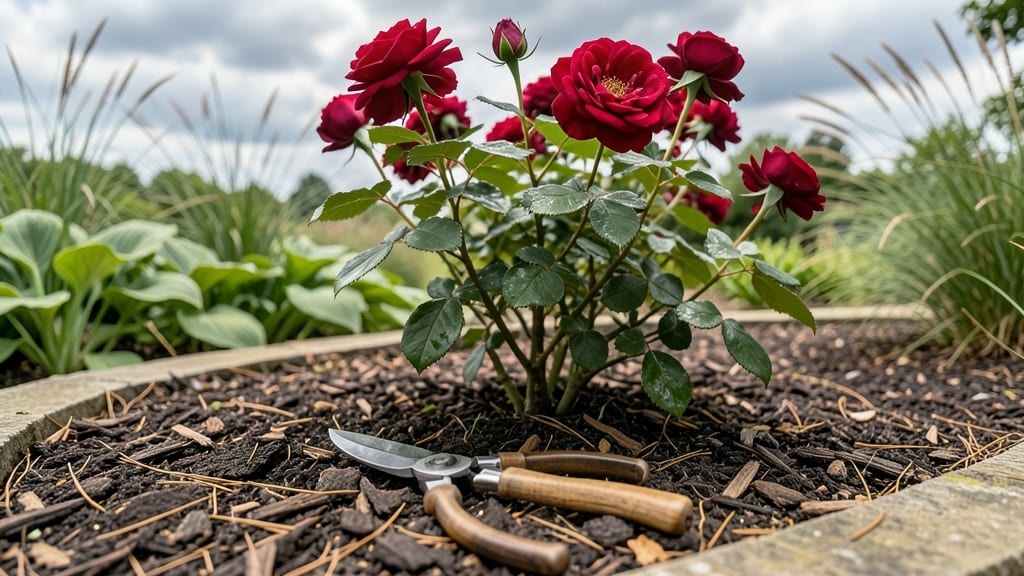
Making a rose bush fuller starts with three simple cuts that change everything. ✂️ I spent years watching roses grow leggy and sparse—until I discovered how strategic pruning forces plants to branch out like crazy. The secret isn’t just cutting back; it’s where you cut and when.
You’ll need sharp pruners, a clean workspace, and a clear day to see the structure. Most people prune too late or too aggressively, but timing matters more than you’d think. The right cuts in early spring trigger dense new growth that blooms all season long.
By summer, your bush will look completely transformed—thicker stems, more buds, and flowers that spill over the edges. The key is patience: each cut sends energy to dormant buds, and within weeks, you’ll see new shoots pushing through. Works for hybrid teas, floribundas, and even old garden roses.
Here’s how to do it right without stressing the plant.
📚 In This Guide
- What you need
- Instructions
- Tips and common mistakes
- Wrapping up and next steps
What you need
- ● Pruning shears – Sharp, bypass-style shears (4–6 inches long) for clean cuts. ⚠️ Avoid dull tools—they crush stems!
- ● Pruning saw – For thicker stems (½ inch or wider)—look for a curved blade for precision.
- ● Rubbing alcohol (70% or higher) – 1 small bottle (4 oz) to sterilize tools between cuts and prevent disease.
- ○ Garden gloves – Heavy-duty, cut-resistant (optional but recommended) to protect hands from thorns.
- ● Disposable pruning bags or bucket – For collecting clippings (5-gallon capacity works well).
- ○ Marking twine or flags – Optional but helpful to tag stems you plan to prune later.
- ● Choose the right time: Prune in late winter or early spring (before new growth) or after blooming (for repeat-flowering roses).
- ● Weather check: Pick a dry, cloudy day to avoid stressing the plant.
- ● Healthy rose bush: Ensure your rose is free of pests/disease before pruning.
- ● Sunlight access: Clear dead or crossing branches first to improve airflow.
Step-by-step pruning guide for a full, blooming rose bush
Here’s how to transform a sparse rose bush into a lush, year-round bloomer with simple pruning techniques.
✂️ Step 1: Prune in Late Winter or Early Spring
Wait until after the last frost when new growth is just beginning to swell on the buds—usually February to March in most climates. Pruning too early risks damaging tender new shoots, while waiting too long removes potential blooms. Look for fat, plump buds along the stems; these signal it’s time to start.
Use clean, sharp pruners to make cuts at a 45-degree angle just above an outward-facing bud. This encourages growth away from the center, creating a fuller shape. Remove any dead, diseased, or crossing branches first—they compete for energy and block airflow. I like to start with the largest canes and work my way to smaller ones to avoid overcrowding the work area.
🌿 Step 2: Cut Back to Encourage Branching
Reduce the height of each main stem by one-third to stimulate bushier growth. For example, if a cane is 3 feet tall, trim it back to 2 feet. This shock forces the plant to send out multiple side shoots instead of relying on one long stem. Focus on the oldest canes first—they’ve already had their chance to bloom and now need to make room for younger, more vigorous growth.
Watch for suckers (shoots growing from the base or root crown) and remove them completely. These drain energy from the main plant. If you’re unsure which canes are oldest, look for thicker stems with fewer buds—they’re likely the first to grow and should be cut back hardest. Leave 3-5 strong, healthy canes per bush to maintain structure while encouraging fullness.
☀️ Step 3: Deadhead and Prune Throughout the Growing Season
After the first flush of blooms fades, deadhead (trim off spent flowers) by cutting back to the nearest five-leaflet leaf or outward-facing bud. This redirects the plant’s energy from seed production to growing more stems and buds. I do this every 7-10 days during peak blooming season to keep the bush producing flowers nonstop.
In mid-summer, give your rose bush a light trim to improve airflow and sunlight penetration. Remove any weak, leggy growth that’s stretching toward the light—these stems rarely bloom well. You’ll know you’re on the right track when the center of the bush opens up and you can see new green shoots forming along the main stems.
🪴 Step 4: Fertilize and Water for Fullness
After pruning, feed your rose bush with a balanced, slow-release fertilizer (like 10-10-10) to support new growth. Water deeply once a week (or more in hot climates) to encourage strong root development. The soil should be moist but not soggy—roses hate wet feet. I like to mulch around the base with 2-3 inches of organic mulch to retain moisture and keep roots cool.
Watch for new growth within 3-4 weeks after pruning. If you see pale, weak shoots, your bush needs more sunlight—move it to a sunnier spot or thin out nearby plants blocking light. Healthy new growth should be deep green, sturdy, and angled outward from the center. This is your sign the pruning worked!
Tips & tricks for perfect rose bush pruning
Here’s what nobody tells you about turning a sparse rose bush into a blooming powerhouse—these tricks make all the difference.
Timing is Everything: The February to March window isn’t just about avoiding frost—it’s about catching those fat, plump buds that signal the plant is ready. If you prune too early, you’ll damage tender new growth; too late, and you’ll miss the first flush of blooms. I’ve learned this the hard way after seeing roses skip their spring blooms entirely. Mark your calendar for the first signs of bud swelling, and you’ll never miss the perfect moment again.
The 45-Degree Angle Matters: When you make that cut just above an outward-facing bud at a 45-degree angle, you’re not just following instructions—you’re creating a little water-shedding shield that prevents rot. This simple technique also directs new growth outward, opening up the center of the bush. I like to practice on a few branches first to get the angle right; it’s easier than it looks, and the difference in bush shape is dramatic.
Oldest Canes First: Those thick, woody stems with fewer buds? Those are your oldest canes, and they’ve already had their chance to shine. Cutting them back by one-third (so a 3-foot cane becomes 2 feet) forces the plant to redirect energy to younger, more vigorous growth. It’s like giving your rose bush a fresh start—just don’t go overboard. Leave 3-5 strong canes to maintain structure while encouraging that lush, full look.
Deadheading Discipline: The 7-10 day deadheading schedule isn’t just about looks—it’s about keeping your rose bush in perpetual bloom. Every time you trim off a spent flower back to the nearest five-leaflet leaf, you’re telling the plant, “Keep growing, don’t waste energy on seeds.” I set a reminder on my phone so I don’t forget, and trust me, your bush will thank you with nonstop blooms all season long.
Pro Tips for Make A Rose Bush Fuller
- Here’s what nobody tells you about turning a sparse rose bush into a blooming powerhouse—these tricks make all the difference.
- Timing is Everything: The February to March window isn’t just about avoiding frost—it’s about catching those fat, plump buds that signal the plant is ready.
- The 45-Degree Angle Matters: When you make that cut just above an outward-facing bud at a 45-degree angle, you’re not just following instructions—you’re creating a little water-shedding shield that prevents rot.
Frequently asked questions
Got questions about transforming your rose bush into a lush, fuller beauty? We’ve got answers!
Here are some of the most common queries—plus quick fixes to keep your roses thriving.
How often should I prune my rose bush to keep it full?
Prune your rose bush twice a year: once in late winter/early spring (just before new growth starts) to shape and remove dead wood, and again in late summer to encourage a second flush of blooms. Avoid heavy pruning in fall—it can stimulate tender growth that won’t survive winter. Think of it like giving your roses a haircut and a spa day!
Can I prune my rose bush too much? What are the signs?
Yes, over-pruning can stress your rose bush. Signs include:
- Fewer blooms or weak stems
- Stunted growth or yellowing leaves
- Bare patches where branches look skeletal
What’s the best fertilizer for encouraging fuller roses?
Use a balanced, rose-specific fertilizer (like 10-10-10 or 5-10-5) in early spring and mid-summer to boost blooms and foliage. For an extra boost, mix in compost or organic matter around the base to improve soil health. Pro tip: Avoid high-nitrogen fertilizers in late summer—they’ll promote leaves over flowers!
Does sunlight affect how full my rose bush gets?
Roses thrive in full sun (6+ hours daily). If your bush is in shade, it’ll grow leggy and sparse. Solution: Trim back nearby trees or relocate the bush to a sunnier spot. If you can’t move it, prune to open up the center for better light penetration. Bonus: Morning sun is ideal—it prevents fungal issues from evening moisture.
Why does my rose bush have sparse blooms even after pruning?
Sparse blooms often mean one (or more) of these issues:
- Poor pruning timing: Pruning too late in winter or too early in spring can delay blooms.
- Lack of nutrients: Test your soil—roses love slightly acidic, well-draining soil (pH 6.0–6.5).
- Pests/disease: Check for aphids, black spot, or powdery mildew. Treat with neem oil or fungicide if needed.
- Overcrowding: If roots are cramped, blooms suffer. Divide or repot if necessary.
Wrapping up and next steps
Transforming your rose bush into a lush, blooming beauty is totally within reach—just follow the right pruning techniques and a little TLC! 🌹 By pruning strategically, fertilizing wisely, and watering consistently, you’ll encourage thicker growth and year-round blooms that’ll make your garden the envy of the neighborhood.
Remember, patience and consistency are key—your hard work will pay off with vibrant, fuller roses!
Ready to see the results? Grab your pruners and get started today! If you’re eager to dive deeper, explore advanced pruning guides or check out seasonal care tips to keep your roses thriving all year. Happy gardening! 🌿