
Size
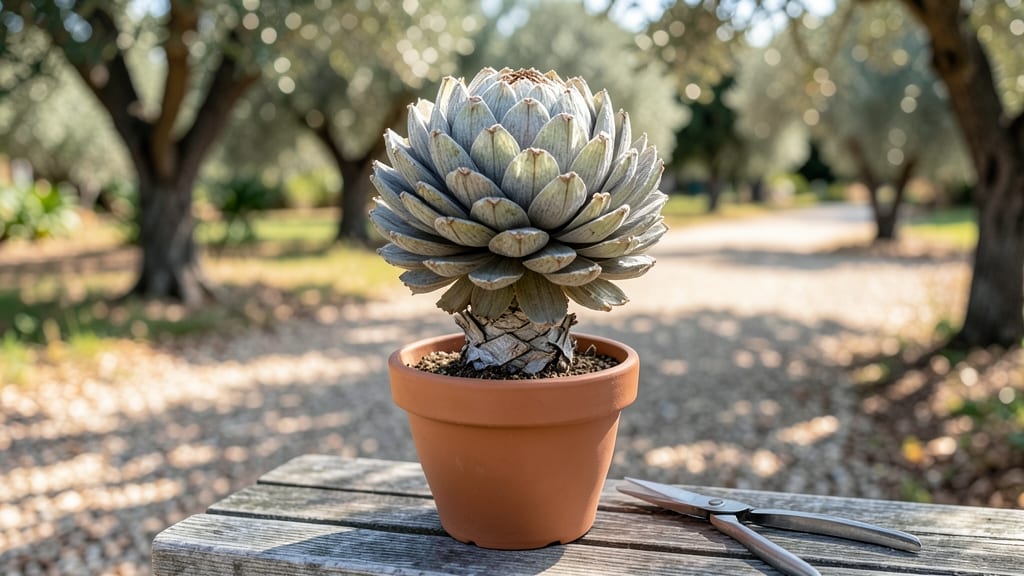
Growing the Rose of Jericho feels like magic—this resurrection plant bursts back to life after months of dormancy. 🌱 I've revived dried stems that looked like brittle twigs, only to watch them unfurl into lush green clusters within days.
The secret isn't complicated, but timing and patience make all the difference.
You only need three things: a sunny spot, minimal water, and a container with drainage. Unlike most plants, the Rose of Jericho thrives on neglect—overwatering is the fastest way to kill it.
Start with dried stems (available online or in specialty shops) and place them in a shallow tray with just enough water to touch the base. Within 24 hours, you'll see tiny green buds appear.
The results are stunning: vibrant green "roses" that last for weeks, perfect for dried arrangements or symbolic gifts. These plants symbolize resilience, making them a unique addition to any collection. They even rebloom multiple times in a season if given the right care.
Works indoors or out—just avoid soggy soil. Here's how to keep them thriving year-round without the fuss.
📚 In This Guide
- What you need
- Instructions
- Tips and common mistakes
- Wrapping up and next steps
What you need
- ● Rose of Jericho seeds or dried plants: Purchase from a reputable nursery or online seller (ensure they’re labeled as Selaginella lepidophylla). 1–3 plants are perfect for beginners!
- ● Well-draining potting mix: A blend of cactus/succulent soil (60%) and perlite or coarse sand (40%) works best. Avoid heavy garden soil—it retains too much moisture!
- ● Small pots or containers: Use 3–4 inch diameter pots with drainage holes. Terracotta or plastic with holes both work!
- ● Distilled or rainwater: Tap water can harm the plant over time. 1–2 cups for initial watering is plenty!
- ● Spray bottle: For gentle misting (critical for humidity control!).
- ● Tweezers or small fork: Helps gently place seeds or separate plant clusters.
- ○ Clear plastic wrap or humidity dome: Creates a mini greenhouse effect (optional but helpful for germination).
- ● Bright, indirect light source: A grow light (LED or fluorescent) or a sunny windowsill (east or west-facing).
- ○ Fertilizer (optional): A diluted succulent fertilizer (1/4 strength) every 2–3 months during growing season.
How to grow Rose of Jericho: bringing the resurrection plant back to life
This plant is one of nature's miracles—and you don't need fancy supplies to revive it.
🌱 Step 1: Choose and Prepare Your Rose of Jericho
Pick a healthy-looking Rose of Jericho with tight, curled branches that appear dry and papery. These plants are often sold in dried form, but they're not dead—they're just dormant. Gently inspect the branches for any signs of mold, discoloration, or soft spots, which would mean the plant has been damaged beyond revival. If it looks crisp and uniform, it's ready to come back to life.
Place the plant in a shallow dish or tray filled with room-temperature water. The branches should be fully submerged for about 12-24 hours. This step is critical—it's how the plant absorbs moisture and triggers its resurrection process. Don't rush it; patience here ensures the plant revives properly. You'll know it's working when the branches start to uncurl slightly and look plump.
💧 Step 2: Transfer to Soil and Provide Gentle Care
After soaking, carefully remove the plant from the water and let any excess moisture drip off. Plant it in a small pot filled with well-draining potting mix, burying the base of the branches about 1 inch deep. Press the soil lightly around the plant to secure it, but don't pack it down too firmly. The goal is to create a stable environment where the roots can begin to establish.
Place the pot in a location with bright, indirect light. Direct sunlight can be too harsh for the newly revived plant, and it might cause the branches to dry out again. Keep the soil lightly moist—water only when the top ½ inch feels dry to the touch. Overwatering can lead to rot, so it's better to err on the side of slightly dry soil. Within a few days, you should see the branches start to green up and grow new leaves.
☀️ Step 3: Gradually Acclimate to Light and Maintain Growth
Once the plant has established new growth and looks vibrant, it's time to introduce it to more light. Gradually move it to a spot with morning sun and afternoon shade over the course of a week. This slow transition helps the plant adjust without shock. If you notice the branches curling again or the leaves wilting, it's a sign the plant is getting too much light or isn't getting enough water.
During the growing season, fertilize lightly every 4-6 weeks with a balanced, water-soluble fertilizer diluted to half-strength. This plant doesn't need much to thrive, so avoid over-fertilizing. In the winter, reduce watering and let the soil dry out more between waterings, as the plant may enter a semi-dormant state. With proper care, your Rose of Jericho can live for years, continuing to amaze you with its ability to revive time and time again.
Tips & tricks for perfect Rose of Jericho revival
Here's what nobody tells you about bringing this fascinating plant back to life—simple secrets that make all the difference.
Soaking Secret: The 12-24 hour soak is non-negotiable, but here's the thing: use dechlorinated water if possible. Tap water contains chlorine that can stress the plant. If you must use tap water, let it sit uncovered for 24 hours first to allow chlorine to evaporate. You'll notice the branches start uncurling within just a few hours—this is your first sign of success!
Light Transition Strategy: When moving your plant from indirect light to morning sun, do it gradually over that full week. Start with just 15 minutes of morning sun on day one, then add 15 minutes each subsequent day. This slow acclimation prevents sunburn, which can cause the branches to brown and crisp again. Think of it like helping a friend adjust to a new environment—rush them, and they'll get overwhelmed.
Watering Wisdom: That top ½ inch dry test is crucial, but don't rely solely on your finger. Weigh the pot daily—when it feels noticeably lighter, that's your cue to water. This method gives you a more consistent moisture level without overwatering. And always use room-temperature water; cold water can shock the plant's delicate new roots.
Fertilizer Timing: The 4-6 week fertilization schedule is perfect, but here's what I learned the hard way: always dilute that fertilizer to half-strength. This plant is sensitive to salts, and over-fertilizing can actually kill it faster than under-fertilizing. In winter, you can skip fertilization entirely—just focus on keeping the soil slightly moist and the plant in bright light.
Pro Tips for Grow Rose Of Jericho
- Here's what nobody tells you about bringing this fascinating plant back to life—simple secrets that make all the difference.
- Soaking Secret: The 12-24 hour soak is non-negotiable, but here's the thing: use dechlorinated water if possible.
- Light Transition Strategy: When moving your plant from indirect light to morning sun, do it gradually over that full week.
Frequently asked questions
Got questions about reviving your Rose of Jericho? You’re not alone! Here are answers to the most common queries—from timing to troubleshooting—so you can keep this resilient plant thriving with confidence.
How long does it take for a Rose of Jericho to "resurrect" after drying out?
The resurrection process is fast—usually within 3 to 12 hours of rehydration! Place the dried stems in water, and watch as they unfurl like magic. For best results, use room-temperature water and avoid direct sunlight during the first 24 hours to prevent stress.
Can I grow a Rose of Jericho indoors, or does it need outdoor conditions?
This plant thrives indoors in bright, indirect light (like a sunny windowsill). Just avoid harsh afternoon sun or drafty spots. A humid environment (like a bathroom or terrarium) helps, but it’s not mandatory—its drought tolerance makes it a low-maintenance superstar.
What if my Rose of Jericho stays brown and crispy even after soaking?
Don’t panic—it might just need patience + the right conditions! Try these fixes:
- Soak longer: Leave it in water for 24+ hours (some need extra time).
- Check water quality: Use filtered or rainwater if your tap water is hard/chlorinated.
- Trim damaged tips: Snip any blackened or mushy parts with clean scissors.
- Boost humidity: Place it in a sealed container with a damp paper towel.
Can I propagate a Rose of Jericho from a single stem?
Yes! Each stem segment (even a tiny piece) can regrow—just ensure it has at least one node (the bump where leaves grow). Separate stems, dry them completely, and store in a cool, dark place until ready to revive. Pro tip: Label your segments to track their "age"!
Are there alternatives to the Rose of Jericho for drought-tolerant plants?
If you love resilient greenery, try these low-water champions:
Plant
Why It’s Great
Zamioculcas (ZZ Plant)
Thrives on neglect; grows in any light.
Snake Plant (Sansevieria)
Air-purifying and nearly indestructible.
Haworthia (Zebra Plant)
Succulent with striking stripes; needs minimal water.
Wrapping up and next steps
Growing a Rose of Jericho is a rewarding journey that blends patience with the magic of nature’s resilience! 🌱 With just a few simple steps—soaking, drying, and caring—you can witness this "resurrection plant" burst back to life, proving that even the toughest challenges can lead to new beginnings.
Whether you’re a beginner or a seasoned plant lover, this low-maintenance wonder is the perfect addition to your collection.
Now that you’re armed with the know-how, why not take the next step? Share your progress with fellow plant enthusiasts, experiment with creative displays, or even gift a dried stem to a friend—because who wouldn’t love a plant that defies the odds? Happy growing! 🌸