
Size
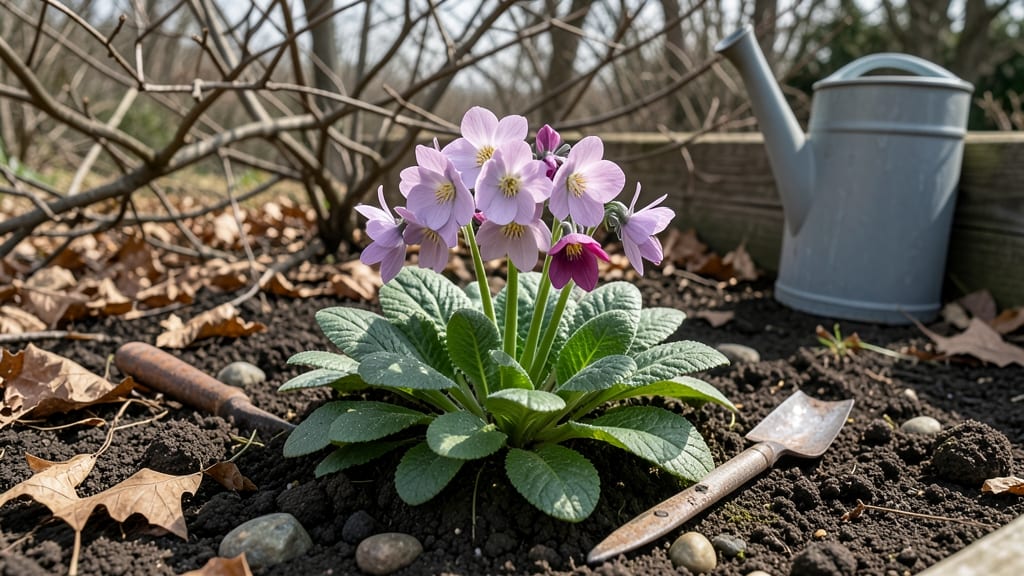
Growing primrose transforms a shady corner into a springtime explosion of color. 🌸 These cheerful bloomers thrive where most flowers struggle—moist, well-drained soil with morning sun and afternoon shade.
My first batch of polyanthus primroses bloomed for 8 weeks straight last year, and I’ve since expanded to cowslips and oxlip varieties that bring the forest to my garden. The secret lies in mimicking their natural habitat: rich, humusy soil with a touch of grit for drainage.
Most garden centers sell primroses as potted plants in early spring, but you can also grow them from seed if you’re patient—they germinate best in cool conditions. Just don’t let the soil dry out completely, or those delicate blooms will fade faster than you’d like.
What you’ll end up with is a garden corner that feels like a living postcard—velvet petals in every shade from deep purple to sunny yellow, all while hummingbirds and bees do their springtime dance.
The fragrance alone makes it worth the effort, especially when your neighbors ask where you got those showstopper blooms. Works for containers too—just choose shallow pots and group plants together to create that lush woodland effect. Here’s how to keep them thriving through their first year and beyond.
📚 In This Guide
- What you need
- Instructions
- Tips and common mistakes
- Wrapping up and next steps
What you need
- ● Primrose plants or seeds: For potted plants: 3–5 healthy nursery-grown primroses (choose varieties like Primula vulgaris or Primula denticulata for best results).
- ● For seeds: 1–2 packets of fresh primrose seeds (aim for 100–200 seeds if starting from scratch). Pro tip: 💡 Opt for heirloom or disease-resistant varieties for long-term blooms!
- ● Well-draining potting mix or garden soil: For containers: 2–3 gallons of peat-free potting mix (amended with perlite or sand for aeration).
- ● For garden beds: Loamy, moisture-retentive soil with a pH of 5.5–6.5. Add compost or aged manure to enrich it.
- ● Containers (if not planting in-ground): 3–5 6–8 inch pots with drainage holes (or a hanging basket for trailing varieties like Primula obconica).
- ● Watering can or hose with a gentle spray nozzle.
- ● Fertilizer: A balanced, water-soluble fertilizer (e.g., 10-10-10) or a slow-release granular fertilizer (like 14-14-14).
- ○ Mulch (optional but recommended): 2–3 inches of organic mulch (e.g., shredded bark or straw) to retain moisture and suppress weeds.
- ● Garden gloves (to protect your hands from soil and sap).
- ● Pruning shears (for trimming spent blooms or leggy growth).
- ● Epsom salt (1 tablespoon per gallon of water) for magnesium boosts if leaves look yellow.
- ● Shade cloth (if your climate gets scorching summer sun—primroses prefer partial shade).
- ● Plant labels (to track varieties, especially if growing multiple types!).
Step-by-step instructions for growing primrose in your garden
Primroses thrive with the right balance of sun, soil, and patience—here’s how to coax those cheerful blooms.
🌱 Step 1: Choose the Right Location and Prepare the Soil
Primroses love partial shade—think 3-6 hours of morning sun with afternoon shade in warmer climates. I test spots by checking if they stay moist but not soggy; primroses hate dry soil. Dig in 2-3 inches of compost into the top 6 inches of soil to loosen it—primroses need good drainage but also moisture retention.
If your soil drains poorly, mix in sand or perlite to create air pockets. The ideal soil pH for primroses is 6.0-7.0, slightly acidic to neutral. You’ll know you’ve got it right when the soil crumbles easily between your fingers and holds moisture like a damp sponge.
☀️ Step 2: Plant Primrose Crowns at the Correct Depth
Primroses grow from bare-root crowns (the fleshy base where roots and leaves meet). Plant them in early fall or late winter for best results—this gives roots time to establish before summer heat. Dig a hole no deeper than 1 inch and place the crown so it sits just above soil level. Pushing it too deep suffocates it; too shallow exposes it to drying out.
Space plants 8-12 inches apart—crowding leads to weak stems and fewer blooms. Water deeply right after planting to settle the soil around the crown. You’ll see new growth within 2-3 weeks if conditions are right. If leaves yellow, your soil might be too wet or compacted.
💧 Step 3: Water Consistently Without Overdoing It
Primroses need 1 inch of water per week, but they’re finicky about soggy roots. Water early in the morning so foliage dries by evening—this prevents fungal diseases like powdery mildew. I check moisture by sticking my finger 1 inch into the soil; if it’s dry, it’s time to water. Overwatering is the #1 killer of primroses—roots rot quickly in heavy, waterlogged soil.
Mulch with 2-3 inches of organic mulch (like shredded bark or leaves) to lock in moisture and keep roots cool. Avoid fresh wood chips—they rob nitrogen as they break down. Replenish mulch in spring to protect roots during hot weather.
✂️ Step 4: Deadhead and Fertilize for Longer Blooms
Pinch off spent blooms as soon as they fade—this encourages more flowers and prevents seed production, which drains the plant’s energy. I use clean pruners and snip just above the next set of leaves. Fertilize lightly in early spring with a balanced, water-soluble fertilizer (like 10-10-10) diluted to half strength. Too much fertilizer burns primrose roots, so less is always better.
After blooming, let the foliage die back naturally in late summer. This rest period helps primroses store energy for next year’s flowers. In fall, trim any browned leaves but leave healthy growth—it insulates roots during winter.
🌿 Step 5: Divide Clumps Every 3-4 Years for Healthier Plants
Primroses form dense clumps over time, and dividing them rejuvenates growth. Dig up the entire plant in early fall or spring, then gently separate the crowns with your hands or a knife. Each new division should have 3-5 leaves and a healthy root system. Replant immediately in fresh soil, water deeply, and avoid fertilizing for 4-6 weeks—this gives roots time to adjust.
Dividing also prevents overcrowding, which leads to fewer blooms. You’ll know you’ve done it right when divisions sprout new growth within 2-3 weeks. Discard any mushy or blackened roots—they’re diseased and will spread to healthy plants.
Tips & tricks for perfect primrose blooms
These little-known tricks will help you grow primroses that burst with color year after year.
Location is Everything: I've planted primroses in too many sunny spots and learned the hard way—those 3-6 hours of morning sun are non-negotiable. The afternoon shade protects delicate leaves from scorching while still giving them enough light to thrive. If your garden gets intense afternoon sun, consider planting near a north-facing wall or under deciduous trees that provide summer shade.
Soil Test First: Before amending your soil, grab a simple pH test kit from your garden center. Primroses prefer that 6.0-7.0 range, but many garden soils run acidic. If yours tests lower, mix in some lime (about 1/2 cup per square foot) and retest in a few weeks. The right pH makes all the difference in root health and bloom production. I've seen primroses struggle in soil that tested 5.5 when a simple adjustment made them flourish.
Planting Depth Matters: That 1-inch depth guideline for planting crowns is critical—any deeper and you'll smother the crown, any shallower and it'll dry out. Here's my trick: Use a small stick or pencil to mark the soil level before planting, then adjust until the crown sits just above that line. You'll notice the difference in how quickly roots establish when done right.
Watering Wisdom: The 1-inch weekly watering guideline works for established plants, but new crowns need more frequent attention. For the first 2 weeks after planting, water every 2-3 days until you see new growth. This helps settle the soil and encourages root development. I use a rain gauge to track watering—it's the only way to be precise about that 1-inch measurement.
Pro Tips for Grow Primrose
- These little-known tricks will help you grow primroses that burst with color year after year.
- Location is Everything: I've planted primroses in too many sunny spots and learned the hard way—those 3-6 hours of morning sun are non-negotiable.
- Soil Test First: Before amending your soil, grab a simple pH test kit from your garden center.
Frequently asked questions
Got questions about growing primroses? You’re not alone! Here are answers to the most common queries to help you cultivate a thriving garden of these cheerful blooms.
When is the best time to plant primroses?
Primroses thrive when planted in early spring or early fall—just as the soil warms or cools. Avoid extreme heat or frost, which can stress young plants. If planting in containers, you can start them indoors 6-8 weeks before the last frost for an earlier bloom.
How often should I water primroses?
Keep the soil consistently moist but not soggy, especially during the first growing season. Water deeply 1-2 times per week, adjusting for rain. Once established, primroses tolerate slight drought, but they’ll reward you with more blooms if you keep them hydrated. Mulch helps retain moisture!
What pests or diseases should I watch for?
Primroses are generally low-maintenance, but watch for aphids, slugs, or powdery mildew in humid conditions. Use neem oil for pests and ensure good airflow to prevent mildew. Remove affected leaves promptly to keep your plants healthy.
Why aren’t my primroses blooming?
Blooming issues often stem from too much shade, overcrowding, or insufficient nutrients. Ensure they get 4-6 hours of sunlight daily, divide clumps every 3-4 years, and feed with a balanced fertilizer in early spring. Deadheading spent blooms can encourage a second flush!
Can I grow primroses in containers?
Primroses adapt well to pots, making them perfect for patios or balconies. Use a well-draining mix with peat or compost, and choose containers with drainage holes. Opt for smaller varieties like Primula denticulata for compact growth.
Wrapping up and next steps
Growing primroses is a rewarding journey that brings bursts of color to your garden with just a little patience and care! 🌸 By choosing the right variety, preparing well-draining soil, and providing the perfect balance of sunlight and shade, you’ll soon enjoy their delicate blooms year after year.
Don’t forget to protect them from harsh weather and pests—your efforts will pay off in stunning results.
Ready to dive in? Start by picking your primrose seeds or plants, then grab your gardening gloves and get planting—your future blooms will thank you! For extra inspiration, explore our guide on creating a primrose-themed garden next.