
Pruning
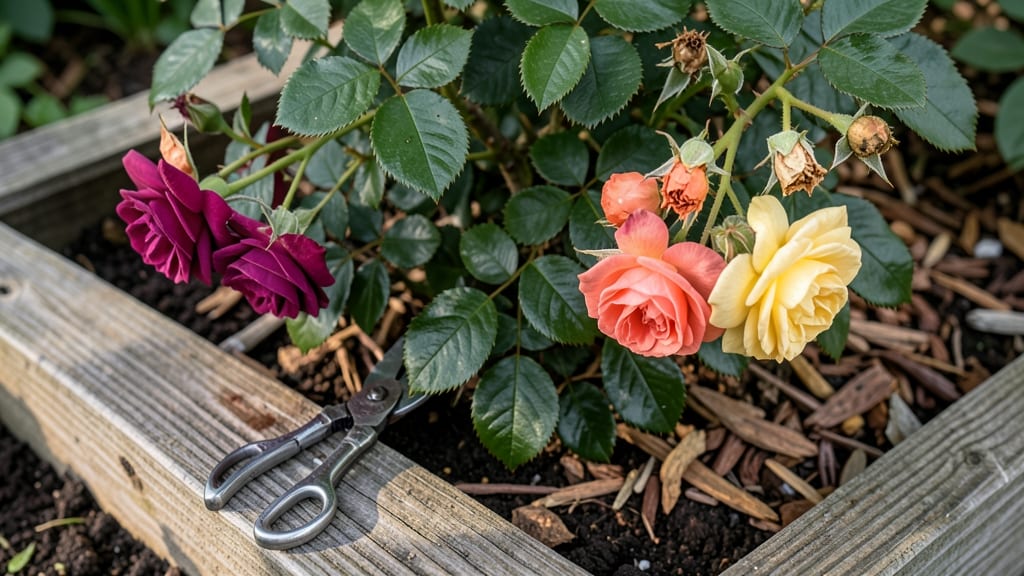
Deadheading floribunda roses turns one-season blooms into a summer-long show. ✂️ I’ve watched my bushes go from a few scattered flowers in June to nonstop clusters through October—all from this simple pruning technique that most gardeners overlook.
The key is cutting just above a leaf node (where new growth emerges) at a 45-degree angle. This redirects energy from seed production back into new buds, while avoiding the common mistake of leaving stubs that invite disease.
With clean cuts and the right timing, you’ll trigger three to four flushes of blooms instead of just one. You’ll notice fresh shoots within 10-14 days, and the plant’s shape stays fuller than if you’d left spent blooms.
The more you deadhead, the more your roses reward you with vibrant, healthy growth—no fancy tools or years of experience needed. Works for all floribunda varieties, from ‘Iceberg’ to ‘Julia Child’. Here’s how to do it without hesitation—no more guessing or hesitation.
📚 In This Guide
- What you need
- Instructions
- Tips and common mistakes
- Wrapping up and next steps
What you need
- ● Pruning shears: Bypass pruners (sharp, clean, and 4- to 6-inch blades) for clean cuts. 1 pair is all you need!
- ● Gloves: Heavy-duty gardening gloves (preferably leather or reinforced) to protect against thorns. 1 pair.
- ● Disinfectant: 70% isopropyl alcohol or rubbing alcohol in a small spray bottle to sterilize tools between cuts.
- ● Trash bag or bucket: For collecting spent blooms and debris. 1 medium-sized bag or 5-gallon bucket.
- ● Hand pruners: Smaller, 3-inch blades for tight spots (great for smaller floribunda clusters).
- ● Loppers: 8- to 12-inch blades if your roses are tall or thick.
- ● Knee pad or stool: For comfort if you’re working on large bushes.
- ● Roses-specific fertilizer: Balanced 10-10-10 or rose food to nourish plants post-pruning.
Step-by-Step instructions for deadheading floribunda roses
Here's how I keep my floribundas blooming continuously—no fancy tools, just sharp eyes and steady hands.
✂️ Step 1: Identify the Right Time to Deadhead
Wait until half the petals have fallen naturally—this signals the bloom is spent. Cutting too early removes buds that haven't opened yet, while waiting too long lets the flower seed and drain energy. Floribundas bloom in clusters, so focus on spent blooms while leaving nearby buds intact.
I check my roses every 3-4 days during peak bloom season. The best time to work is on a cool morning when petals are crisp and easy to see. Avoid deadheading after rain—wet stems are harder to cut cleanly and increase disease risk.
✂️ Step 2: Use the Proper Cutting Technique
Make your cut just above a set of five outward-facing leaves (called a "leaf cluster" or "leaf collar"). This is where new buds form. If you cut above this point, you'll remove potential blooms. For floribundas, this cluster is usually ¼ to ½ inch below the spent bloom.
Use clean, sharp pruners or shears—dull blades crush stems and invite infections. I wipe mine with rubbing alcohol between cuts. Never tear stems with your hands; a clean cut heals faster and looks better. The goal is to leave a small, smooth stub without any jagged edges.
✂ Step 3: Remove Only the Spent Blooms
Each floribunda stem produces multiple buds in a cluster. After deadheading, you'll see 2-5 new buds forming where you cut. Leave these buds alone—they'll develop into your next round of blooms. Only remove the entire spent flower head, not the entire stem unless it's leggy or diseased.
I like to pinch off any seed pods that form after blooms fade. These little green bulbs drain energy from new growth. Run your thumb and forefinger along the stem to feel for them—you'll notice the slight bump where they attach. A quick twist removes them cleanly.
🌿 Step 4: Maintain Cleanliness and Monitor Growth
After deadheading, remove all petals and debris from the plant and surrounding area. Left-behind petals attract pests and harbor fungal spores. I toss them into the compost bin (not directly on garden beds) to prevent reinfection.
Watch the new buds closely—they should appear within 3-7 days of proper deadheading. If buds form but don't open, your plant may need more sunlight or fertilizer. Healthy new growth has a glossy sheen and grows upright rather than sprawling.
⏰ Step 5: Time Your Deadheading for Season-Long Blooms
For continuous blooms, deadhead every 7-10 days during the growing season. In early summer, you might deadhead weekly, while late-season blooms may need less frequent attention. The key is consistency—never let more than 20% of blooms go to seed.
Stop deadheading by mid-to-late August in most climates. This gives your plant time to harden off for winter. The new growth produced after late-season deadheading won't have time to mature before cold weather, making stems more vulnerable to winter damage.
Tips & tricks for perfect floribunda rose maintenance
Here's what I've learned after years of keeping my floribundas blooming like crazy—these little details make all the difference between a few sporadic blooms and a garden full of continuous color.
Timing Secret: The 3-4 day check interval in Step 1 is perfect for catching blooms at exactly the right moment. Here's the thing: if you wait until blooms are completely wilted, you're letting the plant waste energy on seed production. I've found that cutting when half the petals have fallen gives me the best balance between removing spent blooms and preserving energy for new growth. Trust me, your roses will thank you with more frequent blooms!
Cutting Precision: That ¼ to ½ inch measurement in Step 2 might seem small, but it's critical. Cut too high and you remove potential buds; cut too low and you leave stubs that can trap moisture and rot. I like to use my thumbnail as a guide—when I place it just below the spent bloom, my fingers naturally find that sweet spot. And always make your cuts at a 45-degree angle to prevent water from pooling on the stub.
Bud Monitoring: The 3-7 day window for new buds appearing in Step 4 is your best indicator of success. If you're not seeing buds within that timeframe, check your plant's sunlight exposure first. Floribundas need at least 6 hours of direct sun daily. I've had to move some of my roses to sunnier spots after noticing slow bud development—it made a huge difference in their blooming frequency.
Seasonal Strategy: That mid-to-late August cutoff in Step 5 isn't arbitrary. It gives your plant about 6-8 weeks to harden off before winter. I've learned this the hard way—when I kept deadheading into September, the new growth never matured properly and was more susceptible to winter dieback. The key is to stop when you see the last flush of fall blooms appearing.
Pro Tips for Deadhead Floribunda Roses
- Here's what I've learned after years of keeping my floribundas blooming like crazy—these little details make all the difference between a few sporadic blooms and a garden full of continuous color.
- Timing Secret: The 3-4 day check interval in Step 1 is perfect for catching blooms at exactly the right moment.
- Cutting Precision: That ¼ to ½ inch measurement in Step 2 might seem small, but it's critical.
Frequently asked questions
Got questions about deadheading floribunda roses?
You’re not alone! Here are answers to the most common concerns—so you can keep your roses blooming like a pro.
What’s the best time of day to deadhead floribunda roses?
Deadhead in the morning when stems are dry and dew has evaporated. This reduces disease risk (like black spot) and makes cleanup easier. Avoid evening sessions—wet foliage can invite fungal trouble. Pro tip: Wear gloves to avoid thorns!
How often should I deadhead floribunda roses for continuous blooms?
Deadhead every 2–3 days during peak bloom (spring/summer) to encourage new buds. After the first frost (fall), stop deadheading—let hips form for winter interest and bird food. Over-pruning late in the season can stress the plant.
What if I accidentally cut into old wood? Can I still save the rose?
Don’t panic! If you nick an old cane (thick, woody stem), just trim back to a healthy bud or leaf node. Floribundas are forgiving—focus on removing dead/diseased wood first. For severe mistakes, prune lightly in early spring to reset growth.
Can I use deadheaded rose stems for propagation?
Take 4–6-inch cuttings from healthy, disease-free stems (after deadheading), strip lower leaves, and dip in rooting hormone. Plant in moist perlite/sand mix, cover with a plastic bag, and keep in bright, indirect light. Roots form in 4–6 weeks!
What’s the difference between deadheading and pruning floribunda roses?
Deadheading = removing spent blooms to redirect energy to new flowers. Pruning = shaping the plant (usually in late winter/early spring) to remove dead wood, thin crowded canes, and improve airflow. Both are essential—deadhead regularly, prune seasonally!
Wrapping up and next steps
Deadheading your floribunda roses is a simple yet powerful way to keep your garden bursting with color all season long! By removing spent blooms and pruning strategically, you encourage healthier growth, more flowers, and a tidier appearance.
With just a little effort, your roses will reward you with nonstop blooms that turn heads—and maybe even inspire your neighbors to pick up shears too! 🌸
Now that you’re ready to tackle deadheading like a pro, why not take it a step further? Try experimenting with seasonal pruning techniques or even grafting new varieties to expand your rose collection. Happy gardening!