
Pruning
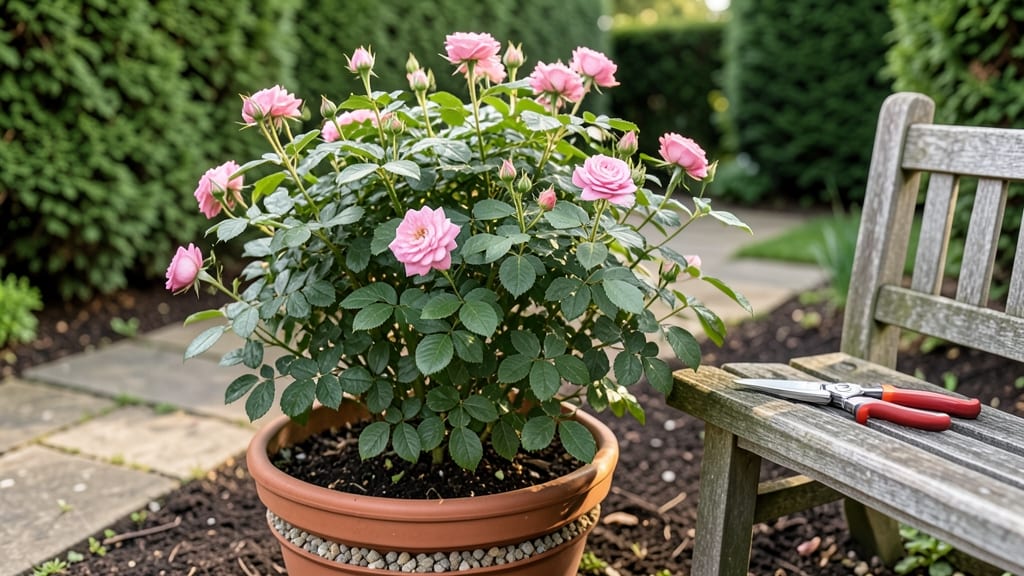
To prune roses properly, you’ll need to trim them 2-4 times per year, depending on the variety and your climate zone — but timing and technique make all the difference.
Pruning roses isn’t just about aesthetics—it’s the secret to healthier plants, more vibrant blooms, and stronger growth. But timing and technique vary wildly by rose variety, leaving many gardeners confused about when (and how often) to prune.
In USDA Zone 6a, where spring arrives in April and frost lingers into October, the key is pruning at the right moments: a light trim in late winter, a deeper cut in early spring, and occasional shape-ups after blooms.
Skip the wrong season, and you risk stunted growth or disease.
Below, I’ll break down the exact schedule for Hybrid Teas, Climbing, and Shrub roses, plus the tools and cuts that keep your 🌹 thriving year-round.
Seasonal rose pruning schedule: when to trim by climate zone
Pruning roses at the right time ensures healthier blooms and prevents disease, but the perfect schedule depends on your USDA climate zone and local frost dates. In colder zones like 3-5, late winter pruning is critical, while warmer zones 8-10 may need multiple trims per year.
Understanding these seasonal windows transforms your roses from struggling shrubs to thriving showstoppers.
For most gardeners, the biggest mistake is pruning too early in cold climates or too late in warm ones. In USDA zones 3-6, prune just before buds swell in early spring (March-April), while zones 7-10 can handle light pruning year-round.
The key is matching your cuts to your rose's natural growth cycle and local weather patterns.
Here's how to align your pruning with your climate zone for optimal rose health:
| Climate Zone | Best Pruning Time | Frequency | Key Considerations |
|---|---|---|---|
| Zones 3-5 | Late Winter/Early Spring (March-April) | Once per year | Wait until after last frost when buds begin to swell. Focus on dormant pruning to remove dead wood. |
| Zones 6-7 | Early Spring (March-April) + Light Summer Trim | 2x per year | Main pruning in spring; light summer trim after first bloom to encourage reblooming varieties. |
| Zones 8-9 | Late Winter (Feb) + Post-Bloom (June-Aug) | 2-3x per year | Year-round growth allows multiple pruning sessions. Trim after each major bloom cycle for continuous flowers. |
| Zone 10 | Year-Round (Monthly Light Pruning) | Monthly | Tropical roses need regular maintenance—trim lightly every 4-6 weeks to control size and shape. |
In USDA zones 3-5, where winters are harsh, I always wait until after the last frost date to prune. This prevents frost damage to fresh cuts and gives the plant time to heal before spring growth.
For example, in Zone 4, I typically prune in late April when nighttime temperatures consistently stay above freezing.
For reblooming varieties like Hybrid Teas in Zones 6-9, I follow a two-phase pruning system: a heavy spring prune to shape the plant and a light summer trim after the first bloom cycle.
This encourages continuous flowering throughout the season. The summer trim should remove only spent blooms and crowded branches to maintain airflow.
In warmer climates like Zones 8-10, roses grow almost year-round, so I adjust my schedule to match their natural blooming cycles. For instance, in Zone 9, I'll do a light pruning in February to shape the plant, followed by post-bloom trims every 6-8 weeks.
This keeps the plant compact and encourages new growth without overwhelming it.
One critical rule I follow in all climates: never prune when roses are stressed. This means avoiding pruning during heatwaves, prolonged droughts, or extreme cold snaps.
Stressed plants are more vulnerable to disease and may not recover well from cuts. Always check your local extended weather forecast before scheduling a major pruning session.
For gardeners in transition zones (like Zone 7b where frost dates vary), I recommend using plant hardiness maps and your local Cooperative Extension Service for precise timing. These resources provide hyper-local frost data that can shift your pruning window by 2-4 weeks compared to general zone guidelines.
Remember that climbing roses have different needs than bush roses, even within the same zone. While bush roses benefit from annual heavy pruning, climbing varieties often only need light shaping every 2-3 years. Always research your specific rose variety and match pruning intensity to its growth habit.
Finally, I can't stress enough the importance of sterilizing your pruners between cuts. Using rubbing alcohol or a bleach solution prevents spreading rose diseases like black spot and powdery mildew. This simple step makes all the difference in maintaining healthy roses year after year.
Pruning frequency by rose type: hybrid teas vs. climbing vs. shrub roses
Not all roses require the same pruning attention, and treating them equally can mean fewer blooms or even plant stress. Hybrid Teas demand heavy annual pruning to maintain their showy, repeat-blooming nature, while Climbing roses need only light shaping to encourage long, graceful canes. Shrub roses fall in between, with moderate pruning to balance form and flowers.
Understanding these differences saves time and keeps your roses thriving.
Your pruning frequency depends entirely on the rose type you’re growing. Hybrid Teas need aggressive cuts every year to remove dead wood and encourage new growth, while Climbing roses can go years between prunes if shaped correctly. Shrub roses require annual maintenance but with less intensity than Hybrid Teas.
Let’s break down the ideal pruning schedule for each type to keep your garden looking its best.
Pruning Frequency by Rose Type
Hybrid Teas
- Frequency: Annual (heavy)
- When: Late winter/early spring
- Goal: Remove 1/3 of plant to encourage blooms
Climbing Roses
- Frequency: Every 2-3 years (light)
- When: After blooming season
- Goal: Shape canes, remove deadwood
Shrub Roses
- Frequency: Annual (moderate)
- When: Late winter/early spring
- Goal: Remove 1/4 of plant, thin center
Note: Always prune above outward-facing buds for best results.
For Hybrid Teas, I recommend pruning once a year in late winter or early spring, just as new growth begins. This heavy pruning removes old canes and stimulates fresh blooms.
Look for 5-7 strong stems per plant—cut back the rest to encourage robust growth. Deadheading spent blooms throughout the season also helps maintain their flowering habit.
Climbing roses are the low-maintenance stars of the rose world, needing pruning every 2-3 years at most. Focus on shaping canes and removing any crossing or weak growth. Prune right after their blooming season to avoid cutting off next year’s flowers. These roses thrive on minimal intervention, so resist the urge to over-prune.
If you grow Shrub roses, plan for annual pruning but with a lighter touch than Hybrid Teas. Aim to remove about 1/4 of the plant, focusing on thinning the center to improve airflow and reduce disease risk.
Prune in late winter or early spring, and again lightly after blooming to encourage a second flush of flowers.
Remember, the key to successful rose pruning is patience and precision. Always use clean, sharp tools and make cuts at a 45-degree angle just above a bud. Avoid pruning in fall unless absolutely necessary, as it can leave roses vulnerable to winter damage.
By tailoring your pruning approach to each rose type, you’ll enjoy healthier plants, more blooms, and less stress—all while keeping your garden looking its best year-round. Happy pruning! 🌹✂️