
Watering
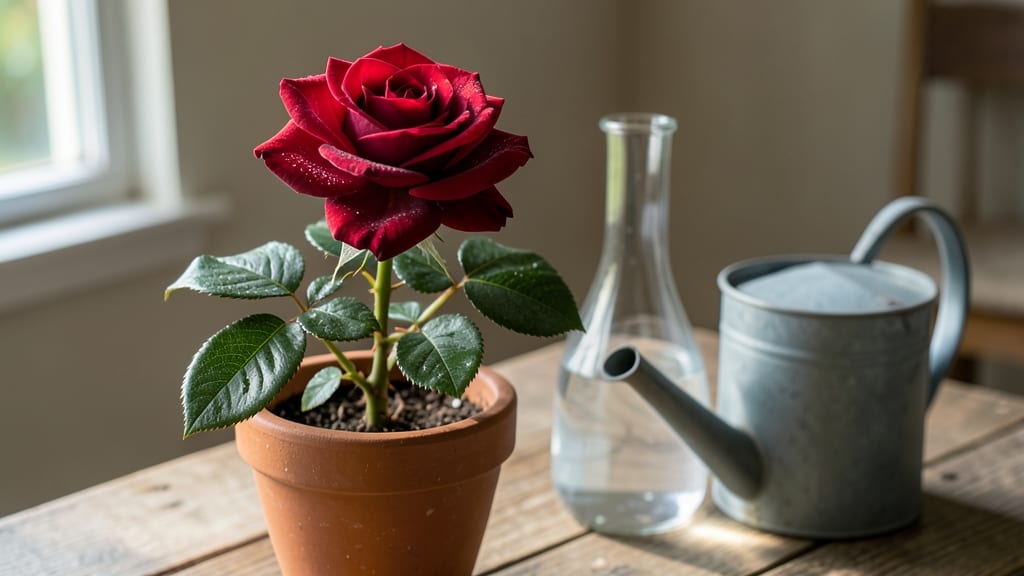
Putting the right amount of water in a vase of roses 🌹 is the secret to keeping them vibrant for days.
If your roses wilt faster than expected, you might be over- or underfilling the vase. Too little water starves the stems, while too much can lead to bacterial growth and a foul odor. The key lies in balancing hydration with airflow—something most people overlook until it’s too late.
For most cut roses, the perfect fill line is about 1-2 cups of water, depending on stem length and vase size. But here’s the trick: stems need to drink freely, which means avoiding air pockets that block water uptake.
A quick stem trim at a 45-degree angle and a splash of floral preservative can extend their life even further.
In this guide, I’ll walk you through the exact water levels for different rose types, how often to refresh the water, and the subtle signs that tell you when you’ve got it just right. No guesswork—just longer-lasting blooms.
The ideal water level for roses: science-backed fill line guidelines
Cut roses are stunning centerpieces, but their lifespan hinges on one critical factor: water volume. Too little water starves the stems, while too much creates bacterial growth. The perfect fill line balances hydration with airflow, extending vase life by 50% or more.
Let’s break down the science behind capillary action and how to calculate the ideal water level for your bouquet.
Roses drink water through their stems via capillary action, drawing moisture upward like a straw. The stem length and vase diameter determine how much water you need. For example, a long-stemmed hybrid tea rose (24–36 inches) requires deeper water than a spray rose (12–18 inches).
Air pockets in the stems block water flow, so proper trimming and water levels are essential.
Here’s the golden rule: Fill the vase to 1–2 inches below the rim for most roses. This ensures stems can absorb water without drowning in stagnant liquid. For wide-mouthed vases, aim for 1–1.5 inches—narrow vases need deeper fills (2 inches) to submerge stems fully.
Always use room-temperature water to avoid shocking the flowers.
| Rose Type | Stem Length | Vase Diameter | Ideal Water Level | Water Volume (cups) | Notes |
|---|---|---|---|---|---|
| Hybrid Tea | 24–36 inches | Small (3–5 inches) | 2 inches from rim | 1–1.5 cups | Deep fill for long stems |
| Spray Roses | 12–18 inches | Medium (6–8 inches) | 1–1.5 inches | 1.5–2 cups | Shallow fill for clusters |
| Long-Stemmed | 30–48 inches | Narrow (2–4 inches) | 2.5–3 inches | 1–2 cups | Use tall, slender vase |
| Miniature Roses | 6–12 inches | Wide (8+ inches) | 1 inch | 2–3 cups | Wide vase = shallow fill |
Glass vases are ideal because they let you monitor water levels easily, but ceramic or metal vases work too—just ensure the material doesn’t leach harmful chemicals. Avoid plastic vases, which can trap bacteria. Pro tip: Add a few drops of bleach or floral preservative to the water to prevent bacterial growth and extend freshness by 3–5 days.
The stem length directly impacts how much water your roses need. For every 12 inches of stem, add 0.5 inches of water depth. For example, a 36-inch hybrid tea rose in a 4-inch vase needs 2.5 inches of water.
This ensures the stems stay hydrated without creating air pockets that block water uptake. Always recut stems at a 45-degree angle before placing them in the vase to maximize absorption.
Watch for signs of underwatering, like wilting petals or drooping stems, which mean it’s time to refresh the water. Overwatering signs include yellowing leaves or moldy water. If you notice brown spots on petals, it’s often a sign of bacterial growth from stagnant water.
Change the water every 2–3 days to keep your roses looking their best.
Temperature matters too! Cold water can shock the stems, while warm water (68–72°F) encourages better absorption. If you’re using tap water, let it sit out for 24 hours to remove chlorine, which can harm the flowers.
For longer-lasting roses, mix 1 teaspoon of sugar and 2 drops of bleach per quart of water to feed the flowers and prevent bacteria.
Experiment with your setup to find the sweet spot for your roses. Keep a journal of your bouquets, noting the rose type, vase size, and water level. Over time, you’ll spot patterns—like how spray roses wilt faster in wide vases—helping you tailor care for future arrangements.
With the right water level, your roses can stay fresh for 7–10 days or longer!
Remember, the perfect fill line isn’t just about volume—it’s about creating the ideal conditions for your roses to thrive. Combine this with proper trimming, fresh water, and a little science, and you’ll enjoy vibrant, long-lasting blooms every time. Happy arranging! 🌹
How to adjust water levels for different rose types and vase sizes
Not all roses drink the same! The water requirements for your cut roses depend on their type and stem length. Hybrid teas, with their long stems (18–24 inches), need more water than spray roses with shorter stems (12–18 inches).
Even the vase material matters—glass vases show water levels clearly, while ceramic vases may hide moisture issues. Let’s break it down so your roses stay perky and hydrated.
Start by filling your vase to the ideal fill line, which varies by rose type.
For hybrid teas, aim for 2–3 cups of water (about 500–750ml) to reach the bottom third of the stems. Spray roses, with their bushier blooms, only need 1–1.5 cups (250–375ml)—overfilling can cause bacterial growth. Long-stemmed varieties (like those for romantic bouquets) require deeper vases to accommodate their height without bending.
| Rose Type | Stem Length | Water Amount | Vase Material Note | Troubleshooting Tip |
|---|---|---|---|---|
| Hybrid Teas | 18–24" | 2–3 cups (500–750ml) | Glass: Fill to 1/3 stem; Ceramic: Check moisture daily | Wilting? Trim stems at 45° and recut underwater |
| Spray Roses | 12–18" | 1–1.5 cups (250–375ml) | Ceramic: Use wider vase for better water distribution | Moldy water? Replace immediately and add 1 tsp sugar |
| Long-Stemmed | 24"+ | 3–4 cups (750–1000ml) | Glass: Use tall, narrow vase to avoid bending | Bent stems? Add floral preservative to strengthen |
Vase material plays a surprising role in hydration. Glass vases let you monitor water levels easily, but ceramic vases can trap moisture unevenly, leading to uneven water absorption. To fix this, place ceramic vases in a shallow dish of water overnight to pre-hydrate the material before adding roses.
For long-stemmed varieties, opt for tall, narrow vases to prevent stems from bending under their own weight.
Watch for common water issues like bacterial growth (cloudy water) or air pockets (wilting despite full vase). To prevent bacterial buildup, change water every 2–3 days and add 1 teaspoon of sugar or a commercial floral preservative to nourish the stems.
For air pockets, trim stems at a 45-degree angle before placing them in water—this increases surface area for better hydration.
Pro tip: If your roses arrive with wrapped stems, remove the wrapping immediately to prevent moisture loss and ethylene gas buildup, which accelerates wilting. Store them in a cool, dark place (like a fridge) overnight before arranging—this extends their vase life by up to 24 hours.
With the right water level and care, your roses can stay fresh for 7–10 days or longer!
Remember, the perfect water level isn’t just about volume—it’s about consistency and observation. Adjust based on your roses’ response: drooping leaves mean more water, while moldy water means it’s time for a refresh. Happy arranging! 🌹