
Propagation
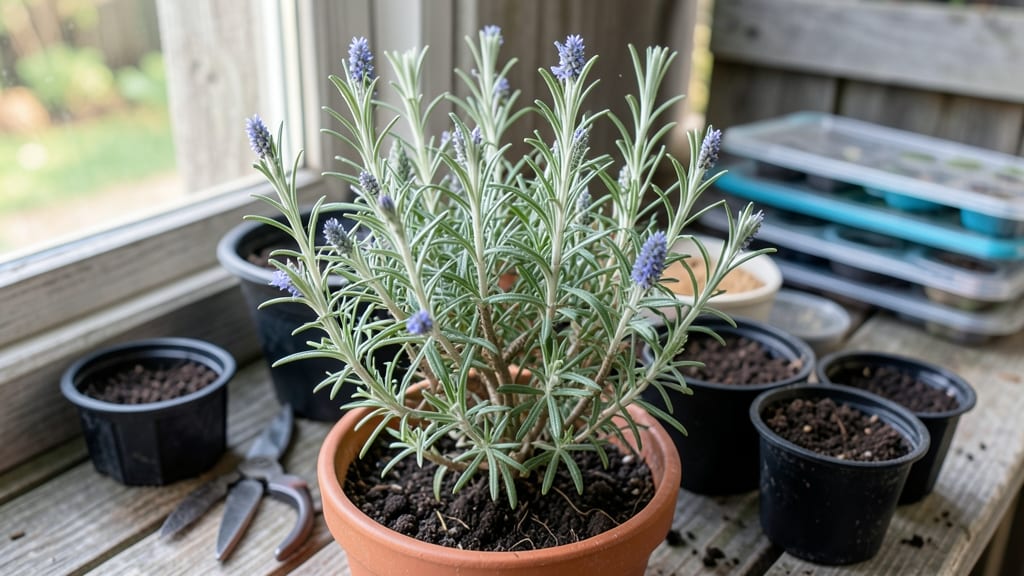
Growing rosemary from seed takes between 14 and 30 days to crack through the soil, but the real wait is the 6 to 12 months until you harvest fragrant sprigs.
Struggling to wait for rosemary seeds to sprout? The germination timeline can feel like an eternity—but with the right conditions, you can accelerate growth and enjoy fresh herbs sooner than expected.
Rosemary seeds are notoriously slow to sprout, often taking three weeks or more in cool soil, and they need warmth, moisture, and patience to break dormancy. Once they do, seedlings grow at a snail’s pace compared to cuttings or nursery plants.
Here’s how to cut weeks off the wait: pre-soak seeds overnight, use a heat mat to keep soil at 70°F, and provide bright, indirect light. I’ll walk you through each step to time your harvest just right.


Rosemary seed germination timeline: weeks to first harvest
Growing rosemary from seed is rewarding but requires patience—especially when waiting for those first tiny green sprouts to appear. On average, rosemary seeds take 14 to 30 days to germinate, but this timeline can stretch to 60 days under less-than-ideal conditions.
The key to speeding up germination lies in mimicking rosemary’s natural Mediterranean environment: warm soil, bright light, and minimal moisture stress. Let’s break down the stages so you know exactly what to expect—and how to optimize each phase.
Understanding the three critical phases of rosemary seed growth—germination (days 1–30), seedling establishment (weeks 4–8), and maturity (months 6–12)—helps you set realistic expectations. For example, while some seeds may sprout in just 7 days with perfect conditions, others might take up to a month.
The variance depends on factors like seed freshness, soil temperature, and moisture consistency. Below, we’ll map out each stage with actionable tips to avoid common pitfalls.
During the first 7 days after planting, rosemary seeds are absorbing moisture and preparing to break through the soil. This is when temperature control is critical—ideal soil temps should hover around 70–75°F. If your home or greenhouse dips below 60°F, germination can stall for weeks.
Use a seedling heat mat ($15–$25) if needed, or place pots on top of your fridge to maintain warmth. Pro tip: Cover seeds with a humidity dome or plastic wrap to retain moisture without waterlogging the soil.
By day 14, you should see the first signs of life: tiny white roots emerging from the seed coat, followed by a green shoot pushing upward. This stage is delicate—overwatering or sudden temperature drops can cause seedlings to rot or wilt.
At this point, introduce bright indirect light (like a south-facing window) to prevent leggy growth. If you’re using grow lights, keep them 2–3 inches above seedlings for 12–14 hours daily.
Weeks 4–6 mark the transition from seedling to established plant, where rosemary begins developing its signature needle-like leaves. This is when most gardeners make the mistake of transplanting too soon.
Wait until seedlings have 2–3 sets of true leaves (not the initial cotyledons) and are at least 2 inches tall before moving them to larger pots. Harden off seedlings by placing them outdoors for 1–2 hours daily, gradually increasing exposure over 7–10 days.
Full maturity—when rosemary is ready for regular harvesting—typically occurs between 6 and 12 months, depending on growing conditions. In USDA Zone 7+, rosemary can grow year-round, while colder climates may need container protection in winter.
Look for these harvest-ready signs: woody stems, dark green needles, and a strong piney aroma. First-time harvesters often mistake soft, pale leaves for maturity—always wait until the plant is at least 6 inches tall and has a bushy structure.
Environmental factors like light intensity, soil drainage, and humidity levels can accelerate or delay growth by up to 50%. For instance, rosemary grown in full sun (6+ hours daily) will mature 30% faster than seedlings kept in shade. Similarly, sandy, well-draining soil prevents
5 Proven tips to speed up rosemary seed germination
Waiting for rosemary seeds to sprout can feel like an eternity, but with the right techniques, you can cut germination time by 30-50%. Rosemary seeds are notoriously slow—typically taking 14-30 days—but these science-backed strategies will give your seedlings a head start.
The key lies in mimicking rosemary's natural Mediterranean environment where warm temperatures, well-draining soil, and consistent moisture accelerate growth.
First, understand that rosemary seeds have a hard seed coat that resists water absorption. This natural defense mechanism is why pre-treatment methods like stratification or scarification become essential. Without intervention, seeds may take twice as long to break dormancy.
The good news? With just a few adjustments to your setup, you can transform those stubborn seeds into vigorous seedlings ready for transplanting in half the time.
-
1. Pre-soak seeds for 24 hours
Place seeds in a bowl of lukewarm water with a damp paper towel. This softens the hard outer shell, allowing water to penetrate faster.
-
2. Use a sandy, well-draining mix
Combine 50% potting soil with 50% perlite or coarse sand. Rosemary hates soggy roots—this prevents rot while keeping moisture consistent.
-
3. Maintain warmth (70-75°F)
Use a seedling heat mat or place trays on top of a fridge. Rosemary thrives in warmth—this mimics its native climate and speeds up metabolic activity.
-
4. Provide bright, indirect light
Place seeds under grow lights 12-14 hours daily. Avoid direct sun until sprouts appear—it can dry out the soil too quickly.
-
5. Thin seedlings early
Once sprouts reach 1 inch tall, thin to 2 inches apart. This reduces competition for nutrients and encourages stronger root development.
Let's start with pre-soaking, the simplest yet most effective trick. I recommend soaking rosemary seeds in lukewarm water for 24 hours before planting. This softens the hard outer shell, allowing water to penetrate faster.
Place them in a bowl with a damp paper towel to prevent drowning. After soaking, plant them ¼ inch deep in your prepared mix—this shallow depth ensures they don’t suffocate under soil.
Next, focus on soil composition. Rosemary despises soggy conditions, so I blend equal parts potting soil and perlite. This creates an airy, well-draining environment that mimics the rocky Mediterranean soil rosemary thrives in.
Add a slow-release fertilizer (like 5-10-10) to the mix for an extra boost—just 1 teaspoon per gallon of soil is enough to support early growth without burning delicate seedlings.
Temperature control is often overlooked but critical. Rosemary seeds germinate best between 70-75°F. If your home runs cooler, place trays on a seedling heat mat set to 72°F. For indoor growers, position trays near a south-facing window during the day and move them under grow lights at night.
This consistent warmth can cut germination time by up to 50% compared to cooler conditions.
Light exposure is another game-changer. While rosemary loves full sun, direct sunlight before sprouting can dry out the soil too quickly. Instead, provide bright, indirect light using a LED grow light 12-14 hours daily.
Once seedlings emerge, gradually introduce 2-3 hours of morning sun per day to harden them off. This phased approach prevents shock while ensuring they develop strong stems early.
Finally, don’t overlook post-germination care. Once sprouts appear, thin them to 2 inches apart to reduce competition. Water gently at the soil line—never overhead—to prevent fungal diseases. After 4-6 weeks, transplant seedlings to individual pots with the same sandy mix.
This step is crucial for avoiding root bound conditions, which stunt growth. With these tips, you’ll see faster, healthier seedlings ready for transplanting in 4-6 weeks instead of 8-10.