
Flowers
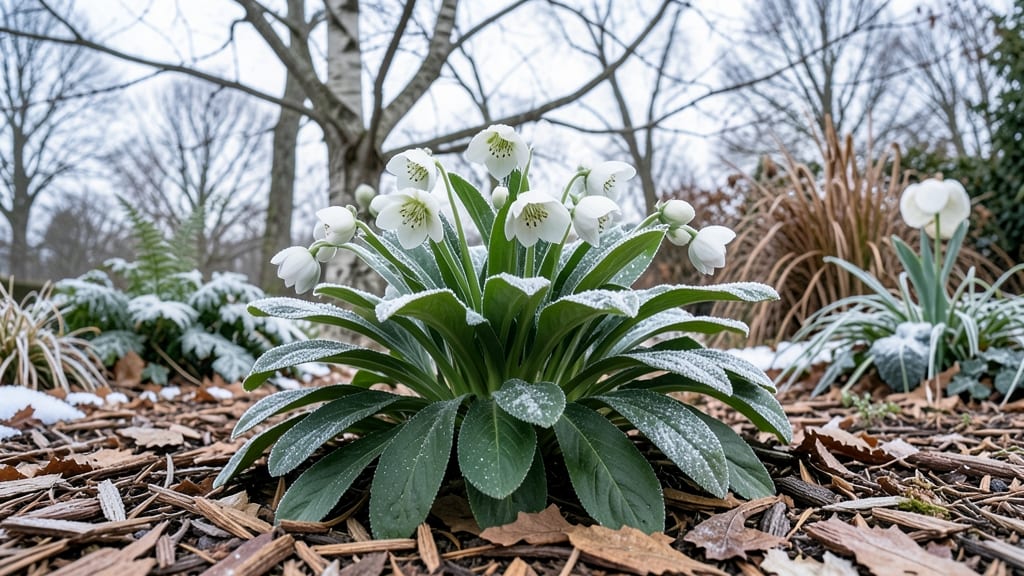
Winter-blooming flowers outside can transform your garden into a frosty paradise of color when most plants are dormant.
Picture this: snowflakes dusting the branches while delicate blooms like hellebores and winter jasmine stand tall, defying the chill. These hardy beauties don’t just survive—they thrive, often without needing deadheading, saving you time and effort.
But not all winter flowers are created equal. Some need extra protection, while others are built to handle subzero temperatures like pros. The key is choosing the right varieties for your climate and giving them the care they need to rebound in spring.
In this guide, I’ll share the top 7 cold-hardy bloomers that bring life to winter gardens, plus proven tips to plant, protect, and maintain them for years of effortless beauty.
Top 7 cold-hardy winter flowers that thrive without deadheading
Winter doesn’t have to be a monochrome season in your garden. While most plants take a nap under frost, these 7 cold-hardy winter flowers refuse to play by the rules. They bloom beautifully even when temperatures dip, and the best part?
You won’t need to deadhead them to keep them flowering. These perennials and annuals are resilient, low-maintenance, and packed with winter charm.
Whether you’re in USDA Zone 4 or milder climates, these flowers deliver color when you need it most. From delicate snowdrops to bold pansies, each variety brings something unique to your winter landscape. Let’s dive into the top picks that will keep your garden vibrant all season long.
First up are Hellebores, also known as Lenten roses. These shade-loving perennials bloom from late winter into early spring, producing delicate white, pink, or purple flowers that stand out against bare branches.
Hellebores thrive in partial shade and well-draining soil, making them perfect for woodland gardens or under trees. Their evergreen foliage adds texture year-round, and they rarely need deadheading.
Next, Pansies are the rockstars of winter annuals. These cheerful blooms come in every color imaginable and handle frost like a champ. Plant them in full sun to partial shade and they’ll reward you with blooms from fall through spring.
How to plant and care for winter-blooming flowers for maximum frost resistance
Winter-blooming flowers like hellebores, winter jasmine, and pansies can transform your garden into a winter wonderland with minimal effort. The key to their success lies in proper soil preparation, strategic plant placement, and protective mulching techniques.
These steps ensure your flowers not only survive frost but also thrive and rebloom year after year.
Before planting, focus on well-draining soil enriched with organic matter. Winter-bloomers often struggle in soggy conditions, so amend your soil with compost or aged manure to improve aeration. Test your soil's pH—most winter flowers prefer a slightly acidic to neutral range between 6.0 and 7.0.
This foundational step sets the stage for healthy roots that can withstand cold snaps.
Step-by-Step Planting & Care Guide
-
Step 1: Choose the Right Location
Select a spot with partial shade to full sun (3-6 hours of sunlight daily). Most winter bloomers tolerate morning sun but benefit from afternoon shade in colder climates. -
Step 2: Plant in Early Fall
For best results, plant 6-8 weeks before the first frost. This gives roots time to establish before winter sets in. Space plants according to their mature size (e.g., 12-18 inches apart for pansies). -
Step 3: Mulch Heavily
Apply a 3-4 inch layer of mulch (straw, shredded leaves, or pine needles) after planting. Mulch insulates roots, preventing freeze-thaw cycles that can damage tender growth. Replenish mulch in late winter. -
Step 4: Water Sparingly in Winter
Reduce watering to once every 2-3 weeks unless there’s a prolonged dry spell. Overwatering can lead to root rot in cold soil. Use a soaker hose to deliver moisture directly to the root zone. -
Step 5: Protect with Burlap or Cloche
For extreme cold snaps (below 10°F), cover plants with breathable fabric or individual cloches. Remove covers during the day to prevent overheating and fungal issues. -
Step 6: Fertilize in Early Spring
Apply a balanced fertilizer (10-10-10) when new growth appears in late winter or early spring. Avoid high-nitrogen fertilizers, which promote leafy growth at the expense of blooms. -
Step 7: Deadhead Sparingly
Unlike summer flowers, winter bloomers often self-clean. Remove only wilted or diseased foliage—never cut back healthy stems. This encourages reblooming without stressing the plant.
One of the most common mistakes gardeners make is over-pruning winter bloomers. Unlike spring or summer flowers, these varieties rely on stored energy from previous seasons. Prune only to remove dead or damaged growth, and avoid cutting back more than 1/3 of the plant at any time.
This preserves their ability to rebloom in subsequent winters.
For maximum frost resistance, group winter bloomers with evergreen shrubs like boxwood or holly. These provide windbreaks and additional insulation. In containers, use insulated pots and move them to sheltered locations during freezing temperatures.
With these care tips, your winter garden will stay vibrant and resilient through even the harshest frosts.
Remember, the goal is low-maintenance beauty. Winter-blooming flowers reward patience with stunning displays that brighten up the coldest months. Start with just a few varieties, like snowdrops and winter aconites, to build confidence—and soon, your garden will be the envy of the neighborhood! 🌷