
Blooming
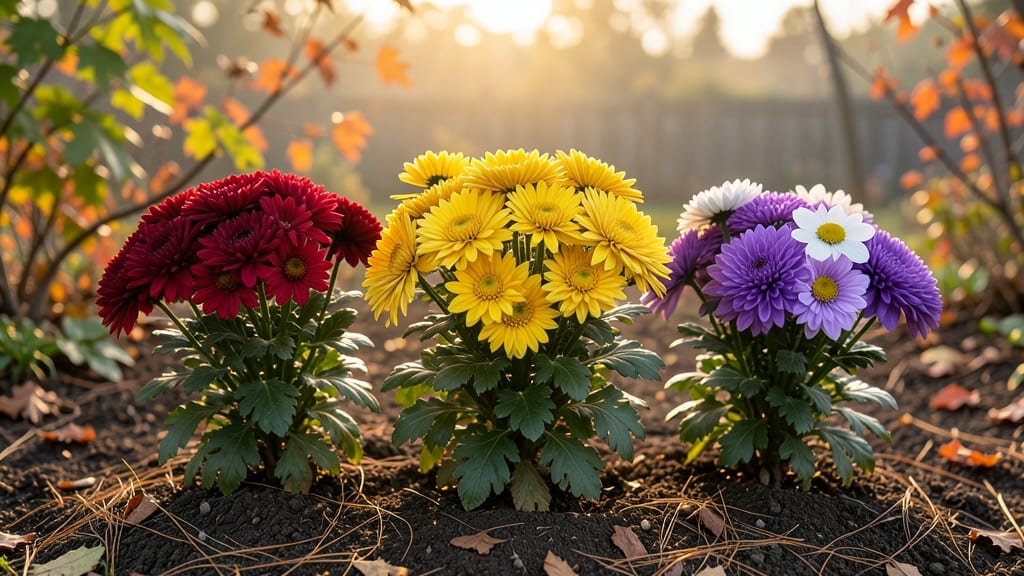
Flowers that bloom in autumn thrive in cooler weather, with standout varieties like chrysanthemums (September–November), asters (August–October), and goldenrod (August–October) offering vibrant color before winter. Selecting region-specific blooms ensures optimal timing and hardiness.
Autumn flowers have a unique advantage—they're designed to bloom when temperatures drop and daylight shortens. 🌸 Unlike spring or summer bloomers, these varieties often rely on photoperiodism, a natural response to shorter days, which triggers their flowering cycle.
Many also develop drought-resistant traits, making them perfect for late-season gardens when rainfall decreases. For example, asters not only handle cooler weather but also attract pollinators like bees and butterflies well into October, extending the garden's ecosystem benefits.
What makes autumn blooms particularly rewarding is their ability to brighten landscapes when other plants fade. 🍂 Chrysanthemums, known as "mums," come in hundreds of colors and can even bloom into early winter with proper care.
Meanwhile, goldenrod—often mistaken for ragweed—produces cheerful yellow plumes that thrive in poor soil, making it a low-maintenance choice. The key to success lies in matching flowers to your USDA hardiness zone, ensuring they'll survive local frost patterns while providing the longest possible display.
💡 In This Article
- Why Autumn Flowers Thrive in Cool Weather
- Best Autumn Flowers by US Hardiness Zones
Why autumn flowers thrive in cool weather
Autumn flowers have evolved remarkable adaptations to flourish when temperatures drop and daylight shortens. The most critical mechanism is photoperiodism, where plants detect decreasing daylight hours (typically 12-14 hours of light) and trigger flowering.
For example, chrysanthemums require 10-12 weeks of short days before blooming—this explains why they only flower in autumn, unlike spring bulbs that respond to warming soil temperatures. 🌿 The cooler air also reduces pest pressure, giving these flowers a natural advantage over summer bloomers that often battle aphids and spider mites.
Many autumn flowers develop drought-resistant root systems to handle reduced rainfall. Goldenrod, for instance, has deep taproots that access moisture 3-5 feet underground, while asters form dense foliage that conserves soil moisture. This adaptation explains why they thrive in late-season gardens when irrigation becomes less reliable.
The cooler temperatures also slow down fungal growth, reducing the risk of diseases like powdery mildew that plague summer flowers like roses and hydrangeas.
What sets autumn bloomers apart is their cold-hardiness compared to spring/summer varieties. While petunias and geraniums wilt at 50°F, many autumn flowers tolerate 25-30°F temperatures.
For example, sedum (stonecrop) stores water in its leaves, allowing it to survive light frosts, while Japanese anemones develop woody stems that protect their delicate blooms. This hardiness means they often outlast their summer counterparts by 4-6 weeks into the season.
Color intensity also shifts with cooler weather. Autumn flowers produce deeper pigments like anthocyanins, which protect leaves from frost damage while creating vibrant hues. The famous purple of asters, for instance, comes from these compounds that act as natural sunscreen when daylight weakens.
This explains why autumn gardens often appear more saturated than their spring equivalents, where pastel shades dominate. The cooler temperatures also enhance floral fragrances—many autumn bloomers release stronger scents at night when temperatures drop.
Consider the science of vernalization versus photoperiodism: spring bulbs need cold periods to bloom (like tulips), while autumn flowers respond to light changes. This fundamental difference explains why you can't force autumn flowers to bloom early—their internal clocks are set by daylight hours, not soil warmth.
For gardeners, this means planning ahead: planting mums in early summer ensures they have enough time to establish roots before their autumn flowering cycle begins.
One fascinating exception is heather, which blooms in both spring and autumn. Its dual-flowering ability comes from having two distinct growth cycles triggered by different light conditions—short days for autumn blooms and lengthening days for spring.
This adaptability makes it a unique choice for extending your garden's color palette year-round. 🌸