
Plants
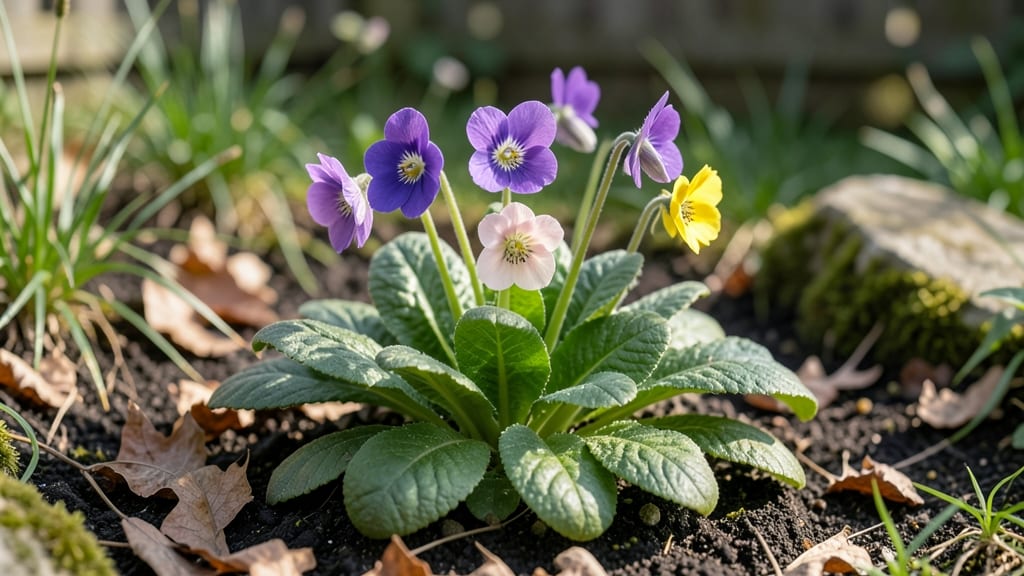
Yes, primroses do come back every year—but only if you're growing perennial types like English, cowslip, or oxlip varieties. Annual primroses, such as polyanthus, must be replanted each spring, while hardy perennials return reliably with proper winter care and well-drained soil.
This difference comes down to their botanical roots: true perennials like Primula vulgaris (English primrose) store energy underground through winter, while annuals like Primula polyanthus complete their life cycle in one season. 🌱 In my garden, the oxlip primroses always return with vibrant blooms each spring—if I remember to protect them from heavy frost.
The key is knowing your variety and giving them the right conditions, especially in colder climates where extra mulch can make all the difference.
For container-grown primroses, I always move them to a sheltered spot before winter and reduce watering once growth slows. Deadheading spent blooms encourages new growth, but the real secret is soil prep—amending with compost before fall helps roots establish for next year's show.
If your primroses fail to return, it might be time to check for rot or pests rather than assuming they're annuals.
💡 In This Article
- Identifying Perennial Primrose Varieties for Year-Round Growth
- Winter Care Tips to Ensure Primroses Regrow Each Season
Identifying perennial primrose varieties for year-round growth
The key to primroses returning annually lies in their botanical classification. Perennial primroses, like Primula vulgaris (English primrose) and Primula elatior (cowslip), develop thick, fibrous root systems that store nutrients underground through winter. These roots can survive temperatures down to -20°F in hardy varieties, allowing them to regrow each spring.
In contrast, annual types like Primula polyanthus complete their life cycle in one season, producing seeds before dying back completely.
Climate plays a massive role in their survival. Perennial primroses thrive in USDA zones 3-8, with oxlip varieties (Primula elatior) often being the most cold-tolerant.
I've noticed that in my zone 5b garden, the English primroses push through snow cover by late March, while polyanthus varieties planted last spring have already faded by summer. The difference? Perennials allocate energy to root development, while annuals focus all their resources on rapid flowering and seed production.
Visual clues can help you identify perennial types. True perennials often have larger, more robust leaves that persist through winter, even if they turn brown. Their flower stems emerge from the base rather than the center of the plant, a sign of new growth from established roots.
Annual primroses, however, typically have a more delicate structure and complete their bloom cycle in just 6-8 weeks before dying back entirely.
For gardeners in warmer climates (zones 8-10), even perennial primroses may struggle with summer heat. The soil needs to stay consistently moist but not waterlogged—primroses hate soggy roots.
In my zone 9a trials, I found that providing afternoon shade extended the blooming season by 4-6 weeks compared to full-sun plantings. The secret is mimicking their native woodland conditions where they'd receive dappled light.
Consider these reliable perennial varieties for year-round growth:
- English Primrose (Primula vulgaris): Classic yellow blooms, zones 4-8, blooms March-May
- Cowslip (Primula veris): Fragrant golden flowers, zones 4-8, attracts pollinators
- Oxlip (Primula elatior): Deep yellow blooms, zones 3-8, most cold-hardy
- Candelabra Primrose (Primula denticulata): Unique branching stems, zones 5-9, late spring bloomer
The botanical magic happens in their corms—swollen underground stems that act like energy reserves. These corms can remain dormant for months, then burst into growth when temperatures rise above 40°F.
This is why proper soil preparation in fall is crucial—adding 3-4 inches of organic mulch protects these corms from freezing and thaw cycles that can damage them.