
Blooming
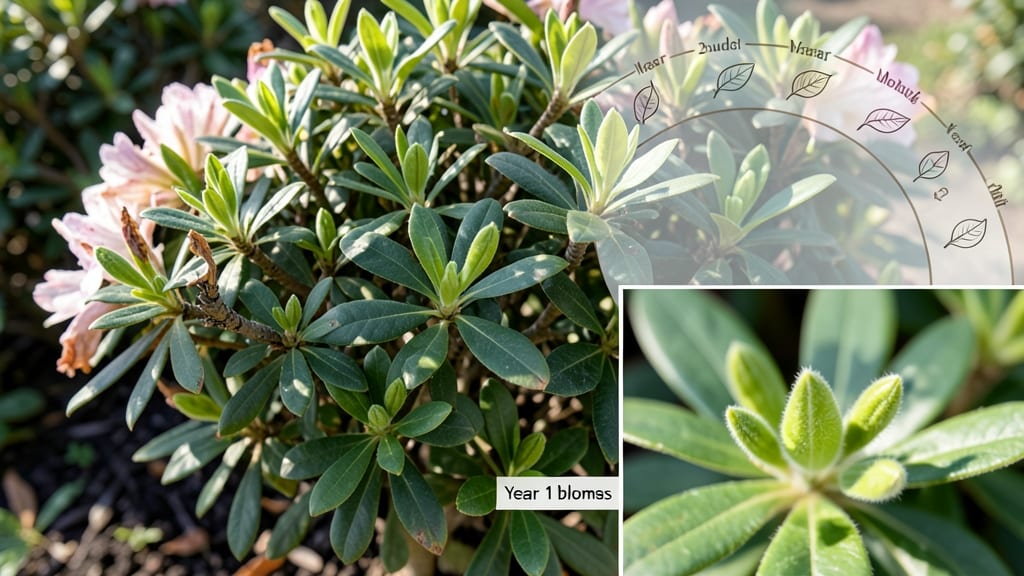
The do azaleas bloom every year under normal conditions, with most varieties producing vibrant spring flowers. However, select reblooming types like 'Encore' or 'Southern Indica' can deliver a second flush of blooms in fall, given proper care including balanced fertilization and strategic pruning.
Most azaleas follow a strict seasonal rhythm, relying on winter chilling periods to trigger spring blooms. 🌸 The buds form during the previous growing season, so stress factors like drought or improper pruning can disrupt this cycle entirely.
Reblooming varieties are specially bred to produce secondary flowers, but even they need consistent moisture and protection from extreme heat to perform reliably.
For gardeners eager to extend the blooming window, I recommend focusing on soil health and light exposure. A slightly acidic, well-draining soil mix combined with morning sunlight helps maintain energy reserves for multiple bloom cycles.
And remember—while you can coax extra flowers, pushing azaleas too hard often results in weaker blooms or leafy growth instead.
💡 In This Article
- Why Azaleas Skip Blooming: Seasonal and Environmental Triggers
- Reblooming Azalea Varieties: How to Choose and Care for Year-Round Color
Why azaleas skip blooming: seasonal and environmental triggers
Azaleas bloom based on a complex interplay of temperature and daylight hours, following a biological rhythm tied to their native habitats in East Asia and North America. These shrubs require a period of winter chilling—typically 400-800 hours below 45°F—to trigger bud formation.
Without sufficient cold exposure, the plant skips the flowering process entirely, focusing energy on leaf and root growth instead. This is why azaleas in warmer climates (like Florida or California) often bloom sporadically or fail to flower at all.
The actual flower buds form during the previous growing season, between late summer and early fall, when the plant stores energy in its roots and stems. Stress factors like drought, improper pruning, or transplant shock can disrupt this process by diverting energy away from bud development.
For example, cutting back azaleas too aggressively in spring removes potential bloom sites, while overwatering can suffocate roots and prevent nutrient uptake. Even minor disturbances, like sudden temperature swings or soil pH imbalances, can delay blooming by up to 2-3 years.
Light exposure plays a critical role too. Azaleas thrive in partial shade (3-6 hours of morning sun), but too much direct sunlight stresses the plant, causing it to prioritize leaf growth over flowers.
In contrast, deep shade (like under dense trees) reduces photosynthesis, weakening the plant's ability to support blooms. The ideal balance ensures the plant has enough energy to produce flowers while avoiding heat stress that can cause buds to drop prematurely.
One of the most common mistakes is over-fertilizing, especially with high-nitrogen formulas. While nitrogen promotes leafy growth, it can suppress flowering by encouraging excessive foliage at the expense of buds.
Instead, use a low-nitrogen, high-phosphorus fertilizer (like 10-30-20) in early spring and again after the first bloom cycle to support bud development. Too much fertilizer also attracts pests, which further stress the plant and disrupt blooming patterns.
Even reblooming varieties like 'Encore' or 'Southern Indica' need these conditions to perform reliably. Without proper chilling, their second flush of fall blooms may never materialize.
For example, a 'Southern Indica' azalea in a greenhouse without winter chilling might produce only a single, weak bloom cycle instead of the expected two. The key is replicating natural seasonal cues—cool nights, moderate watering, and gradual temperature changes—to keep the plant's internal clock aligned with its flowering rhythm.
Think of azaleas like a well-orchestrated symphony: every element—temperature, light, water, and nutrients—must be in harmony for the performance to succeed. When one note is off-key, the whole show falters. 🌸