
Container Gardens
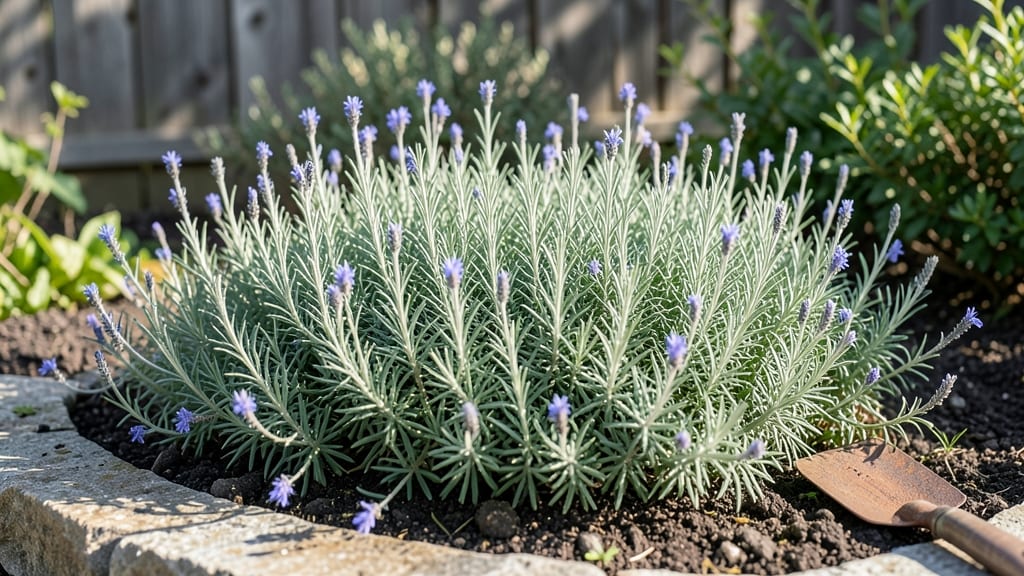
Creeping rosemary groundcover transforms sun-drenched areas into fragrant, drought-resistant carpets that outperform any lawn. 🌿 I remember the first time I saw it—thick, silvery-green mats spreading effortlessly between stepping stones, releasing that piney scent when brushed. It’s not just pretty; it’s a low-maintenance powerhouse that thrives where other plants fail.
The secret lies in its simplicity: full sun, well-draining soil, and occasional trims keep it lush. Unlike traditional groundcovers, creeping rosemary handles foot traffic and dry spells without complaint.
Plant it 12–18 inches apart for dense coverage, and within a year, you’ll have a fragrant, weed-suppressing mat that needs almost no watering once established.
By summer, your groundcover will be bursting with texture—needle-like foliage that turns golden in winter, plus occasional tiny purple flowers. The scent alone makes it worth growing, but the zero-maintenance appeal is what keeps gardeners coming back.
Prune lightly in spring to encourage bushiness, and watch it spread like a living carpet.
Perfect for slopes, pathways, or between patio stones, this plant outperforms traditional lawns in every way. No mowing, no fertilizing, just fragrant, evergreen beauty that thrives on neglect. Here’s how to make it work for your space—without the fuss.
📚 In This Guide
- What you need
- Instructions
- Tips and common mistakes
- Wrapping up and next steps
What you need
- ● Creeping rosemary plants: 3–5 healthy nursery-grown plants (choose Rosmarinus officinalis 'Prostratus' or similar cultivars for groundcover).
- ● Well-draining potting mix: 5–10 gallons (depending on container size). Opt for a blend with perlite or sand (e.g., cactus/succulent mix or add 20% coarse sand to regular soil).
- ● Containers (if applicable): Wide, shallow containers (12–18" diameter) for individual pots, or
- ● Raised beds (minimum 6" depth) for groundcover installations.
- ● Drainage materials: Small gravel (½"–1"), broken pottery shards, or landscape fabric (for containers).
- ● Organic mulch: 1–2 inches of pine bark fines or gravel (to retain moisture and suppress weeds).
- ● Garden trowel or small shovel.
- ● Pruning shears (sterilized with rubbing alcohol).
- ● Measuring tape or ruler (for spacing plants 12–18" apart).
- ○ Gloves (optional, for prickly stems!).
- ● Watering can or hose with a gentle spray nozzle.
- ● Sunlight: A location with full sun (6+ hours/day)—creeping rosemary thrives in heat!
- ● Drainage: Avoid soggy soil; amend heavy clay with sand or plant in raised beds.
- ● Climate: Hardy in USDA Zones 7–10 (protect from frost if in cooler zones).
- ● Slow-release fertilizer (e.g., 10-10-10, sprinkle lightly at planting).
- ● Epsom salt (1 tbsp dissolved in water) for magnesium boost (every 2–3 months).
- ● Decorative stones or edging for a polished container garden look.
- ● Drip irrigation system (for automated watering in hot climates).
How to plant and maintain creeping rosemary as a low-maintenance groundcover
This hardy, fragrant perennial thrives in sun-drenched areas with minimal care—here’s how to establish it for years of effortless beauty.
🌱 Step 1: Choose the Perfect Location and Prepare the Soil
Creeping rosemary demands full sun—at least 6-8 hours daily—and well-draining soil to prevent root rot. I always test the site first by digging a 6-inch hole and checking for water pooling. If it drains slowly, amend the soil with 2-3 inches of coarse sand or gravel mixed into the top 12 inches of soil.
This plant tolerates poor soil but grows best in sandy loam with a pH between 6.0 and 7.5. If your soil is heavy clay, work in 1 part perlite or pumice per 3 parts native soil to improve aeration. Avoid freshly amended garden beds—rosemary prefers established, slightly infertile soil where it won’t compete with weeds.
🪴 Step 2: Plant Cuttings or Nursery Plants for Best Coverage
For fastest results, use 4-inch nursery plants spaced 12-18 inches apart in rows 18 inches apart. If propagating from cuttings, take 4-6 inch tip cuttings in early spring, strip the lower leaves, and let them callus for 24 hours before planting. Dip the cut end in rooting hormone to encourage faster establishment.
Dig a hole twice as wide as the root ball but only as deep as the container. Gently loosen the roots if pot-bound, then place the plant so the top of the root ball sits level with the surrounding soil. Backfill with native soil, pressing lightly to eliminate air pockets. Water deeply until moisture reaches 6 inches down—this encourages roots to grow downward.
☀️ Step 3: Water Strategically and Protect New Growth
Creeping rosemary is drought-tolerant once established, but new plants need consistent moisture for the first 4-6 weeks. Water 2-3 times weekly until the soil 2 inches down feels slightly damp (not soggy). After that, reduce to once every 10-14 days unless your region experiences 90°F+ temperatures, then increase to weekly deep waterings.
Mulch with 1 inch of gravel or coarse bark to suppress weeds and retain moisture without smothering the plant. Avoid organic mulches like wood chips—they decompose and alter soil pH over time. Watch for yellowing leaves in the first month; this usually means overwatering. Adjust your schedule until the plant shows deep green, aromatic foliage.
✂️ Step 4: Prune for Density and Control Spread
Prune twice yearly—once in early spring before new growth begins, and again in late summer after flowering. Cut back one-third of the oldest stems to the ground using clean, sharp shears. This encourages bushier growth and prevents woody stems from forming. For a tidy edge, trim the perimeter with hedge shears after the plant reaches your desired height.
If creeping rosemary spreads beyond its intended area, simply dig up and replant stray stems. It’s one of the few groundcovers that thrives when divided—just separate at the roots and replant in new locations. Never prune into woody stems (they won’t regrow), and always sanitize your tools with rubbing alcohol between cuts to prevent disease.
🌿 Step 5: Fertilize Sparingly and Watch for Pests
Creeping rosemary is light feeder—too much fertilizer produces weak growth and reduces its drought tolerance. Apply ½ teaspoon of 10-10-10 fertilizer per plant in early spring only, then water deeply. Organic options like fish emulsion (diluted to ½ strength) work well if you prefer natural amendments. Avoid high-nitrogen fertilizers—they promote leafy growth at the expense of fragrance.
Watch for aphids or spider mites on new growth, especially in hot, dry summers. Spray infested areas with neem oil mixed with water (1 tbsp per quart) or introduce ladybugs for natural control. If deer or rabbits browse your garden, apply commercial deer repellent around the perimeter—rosemary’s strong scent usually deters them, but young plants are vulnerable.
Tips & tricks for perfect creeping rosemary groundcover
Here's what I learned after years of growing this fragrant beauty—these little details make all the difference for long-term success.
Soil Test First: Before amending, do a simple pH test using a home kit or send a sample to your local extension office. Creeping rosemary thrives in that 6.0-7.5 pH range—if your soil is too acidic (below 6.0), mix in 1 cup of crushed limestone per square foot and retest in 3 months. I've seen plants struggle in acidic soil even when they looked fine at planting.
Rooting Hormone Hack: For those 4-6 inch tip cuttings in Step 2, use powdered rooting hormone instead of gel—it's more cost-effective and covers more cuttings. After dipping, let them air-dry for 24 hours (not just a few minutes) to form a proper callus layer. This dramatically improves rooting success, especially in humid climates where cuttings rot.
Watering Visual Cue: In Step 3, check moisture by digging a 2-inch deep hole with a trowel—if the soil feels slightly damp but not wet, you're golden. Overwatering in the first 4-6 weeks is the #1 reason new plants yellow. I keep a moisture meter handy for the first month until I get the rhythm right. The goal is consistent dampness, not soggy soil.
Pruning Timing Secret: That late summer pruning after flowering is crucial for winter hardiness. Cut back one-third of the oldest stems when new growth has started but before fall frost. This prevents woody stems from forming and gives you fresh, fragrant growth for early spring. I always prune on a dry morning when the plants are fully hydrated for cleaner cuts.
Pro Tips for Creeping Rosemary Groundcover
- Here's what I learned after years of growing this fragrant beauty—these little details make all the difference for long-term success.
- Soil Test First: Before amending, do a simple pH test using a home kit or send a sample to your local extension office.
- Rooting Hormone Hack: For those 4-6 inch tip cuttings in Step 2, use powdered rooting hormone instead of gel—it's more cost-effective and covers more cuttings.
Frequently asked questions
Is creeping rosemary invasive or hard to control?
Creeping rosemary is not considered invasive—it spreads slowly and stays contained in well-drained soil. Unlike aggressive groundcovers (like mint or ivy), it won’t smother other plants. Prune back overgrowth in spring to keep it tidy, and it’ll stay cooperative! For extra control, plant in containers or raised beds.
How long does it take for creeping rosemary to establish and fill in?
Patience pays off! Creeping rosemary grows about 6–12 inches per year, so expect noticeable coverage in 1–2 seasons for a 3-foot-wide area. For faster results, space plants 12–18 inches apart and keep soil consistently moist (but not soggy) during the first year. Mulch lightly to retain moisture.
Can creeping rosemary survive drought once established?
Once rooted, creeping rosemary is drought-tolerant and thrives with minimal watering (about once every 2–3 weeks in hot climates). Young plants need regular watering to establish roots, but mature groundcover will bounce back after dry spells. Overwatering is the real enemy—it causes root rot.
What’s a good alternative if I need a faster-spreading groundcover?
If creeping rosemary’s slow growth feels too patient for your garden, try these fragrant, sun-loving alternatives:
- Thyme (creeping varieties): Spreads faster (12–18”/year) and handles foot traffic.
- Dwarf Mondo Grass: Ultra-low, evergreen, and drought-resistant (but no scent).
- Ice Plant (Delosperma): Bright flowers + fast spread (but not perennial in cold climates).
Why are my creeping rosemary leaves turning yellow or brown?
Yellowing leaves usually signal overwatering or poor drainage. Brown, crispy edges? Underwatering or sunburn (common in hot afternoons). Check soil moisture—it should dry out between waterings. If drainage is the issue, amend heavy soil with sand or gravel or plant in raised beds. Pests (like spider mites) rarely attack rosemary, but inspect undersides of leaves if you spot webbing.
Will creeping rosemary survive winter in cold climates?
Creeping rosemary is hardy to USDA Zones 7–10. In colder areas (Zones 5–6), it may die back to the ground but regrows in spring from the roots. Protect it with a thick mulch layer (3–4 inches) or grow it in containers and move indoors during freezes. Choose ‘Prostratus’ or ‘Blue Spires’ varieties for better cold tolerance.
Wrapping up and next steps
Creeping rosemary groundcover is a low-maintenance, fragrant superstar that brings texture, scent, and drought resistance to sun-drenched gardens and containers. Whether you’re filling gaps in your landscape or adding aromatic charm to a pot, this versatile plant thrives with minimal effort—just sun, well-drained soil, and occasional trimming. 🌿
Ready to transform your space? Start small with a single plant or expand your collection—your garden (and senses!) will thank you. Happy planting! 🌞