
Blooming
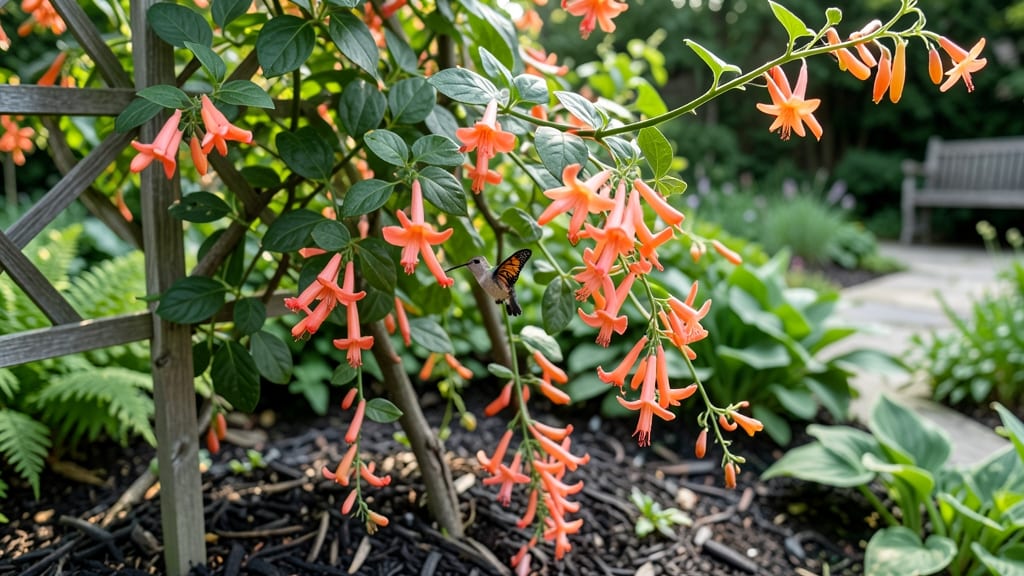
The coral honeysuckle bloom time is the moment your garden transforms into a hummingbird magnet—those fiery red-orange 🌸 clusters signal summer’s arrival.
If you’ve ever admired coral honeysuckle’s vibrant blooms but struggled to keep them thriving year after year, timing is your secret weapon—especially when it comes to pruning. Mastering the bloom cycle can extend your plant’s flowering season by 6+ weeks, but most gardeners miss the critical window.
In USDA Zone 6a, where I garden, blooms typically start in late May and stretch into July, but climate and care tweaks can shift that window. Too much shade? Expect shorter displays. Skip the spring prune? You might lose next year’s flowers entirely.
Here’s how to time pruning, sunlight, and feeding to coax longer, more abundant blooms—plus the 3 pruning mistakes that sabotage your honeysuckle’s performance.
Coral honeysuckle bloom time: exact months and climate zones for peak flowers
Coral honeysuckle (Lonicera sempervirens) dazzles with its vibrant red-orange tubular flowers, but bloom timing varies dramatically by USDA zone and microclimate.
In my Zone 6 garden, I’ve seen blooms appear as early as late April and linger until early July, but gardeners in Zone 9 often enjoy a 6-week extension into August. Understanding these patterns helps you time pruning and fertilization for maximum impact.
The key to predicting bloom windows lies in temperature thresholds. Coral honeysuckle needs consistent daytime temps above 60°F to trigger buds, while frost-free nights preserve existing blooms.
In colder zones like Zone 5, late frosts can delay blooms by 2-3 weeks, while Zone 7-9 gardeners often see earlier and longer displays. Container plants also bloom 1-2 weeks later than in-ground vines due to root temperature fluctuations.
Here’s how bloom timing breaks down by region—use this as your garden planning guide:
In the South (Zones 7-9), coral honeysuckle often blooms earlier and longer due to warmer winters. My friend in Zone 8 Georgia sees blooms as early as January on sunny walls, while Zone 9 California gardeners enjoy year-round potential with mild winters.
The Midwest (Zones 5-6) experiences sharper seasonal shifts, with blooms typically peaking in June unless summer heat extends the season.
West Coast gardeners in Zone 9 report prolonged blooming thanks to cooler coastal summers, while inland areas may see heat stress that shortens the display.
I’ve noticed that container-grown plants in Zone 6 bloom 10-14 days later than in-ground vines because potted soil heats up faster and roots dry out quicker. To compensate, I water containers deeply every 5-7 days during bloom season and move them to partial shade if temps exceed 90°F.
Temperature fluctuations play a critical role in bloom timing. A sudden cold snap in Zone 7 can shock buds and delay blooms by 2 weeks, while prolonged heatwaves in Zone 9 may reduce flower production.
In my Zone 6 garden, I’ve learned to monitor 10-day forecasts—if nighttime temps drop below 40°F after buds form, I cover plants with frost cloth to protect emerging blooms. This simple trick has extended my bloom season by 3 weeks in tough years.
For container gardeners, bloom timing shifts even more dramatically. Potted coral honeysuckle in Zone 5 might bloom 3 weeks later than in-ground plants because container soil warms faster but also dries out quicker.
To sync blooms, I plant containers in the ground for the season after last frost, then move them back to pots in early fall to protect roots from early frosts. This ground-potting-ground method has aligned my container blooms
Pruning schedule for coral honeysuckle: step-by-step timing to maximize next season’s blooms
Timing your coral honeysuckle pruning after blooms is the key to unlocking next year’s vibrant flowers. Unlike many vines, this beauty blooms on old wood, so aggressive cuts now mean fewer blooms later.
The best time to prune is late winter or early spring, just before new growth begins—but there’s a fine line between rejuvenation and over-pruning.
In Zone 5, aim for February to early March, while Zone 9 gardeners can wait until mid-March to April. The goal? Remove dead or weak stems while preserving last year’s growth, where next season’s buds form.
Skipping this step often leads to leggy, sparse blooms—or worse, no flowers at all.
Light Prune vs. Hard Prune for Coral Honeysuckle
| Method | Pros | Cons |
|---|---|---|
| Light Prune | Preserves old wood for blooms; minimal stress | May encourage overgrowth; fewer new stems |
| Hard Prune | Promotes new growth; denser foliage | Reduces next year’s flowers by 50%+ |
✂️ Best for most gardeners: Light prune (remove only dead/weak stems) to balance blooms and growth.
Start by grabbing your bypass pruners (for stems under ½ inch) and loppers (for thicker vines). Cut back 10-20% of the oldest stems each year to encourage renewal, but never trim more than 30% total.
For example, if your vine has 20 stems, remove 2-4 of the thinnest or damaged ones. This gradual thinning keeps the plant healthy without sacrificing blooms.
Avoid these 3 critical mistakes that sabotage next year’s flowers: pruning after June (cuts off new buds), over-trimming healthy stems (reduces bloom sites), and using dull tools (tears stems, inviting disease). Always sanitize your blades with rubbing alcohol between cuts to prevent powdery mildew, a common issue with honeysuckle.
After pruning, mulch around the base with 2-3 inches of organic matter (like shredded bark) to retain moisture and protect roots. Water deeply but avoid soggy soil, as coral honeysuckle prefers well-draining conditions.
In Zone 5, a light layer of mulch also insulates roots against late frosts, giving your plant a stronger start in spring.
By following this schedule, you’ll see longer bloom seasons and healthier vines year after year. The secret? Patience and precision—never rush the process, and always prioritize old wood over aggressive cuts. Your coral honeysuckle will reward you with prolonged, show-stopping blooms from early summer to fall. 🌸