
Transplanting
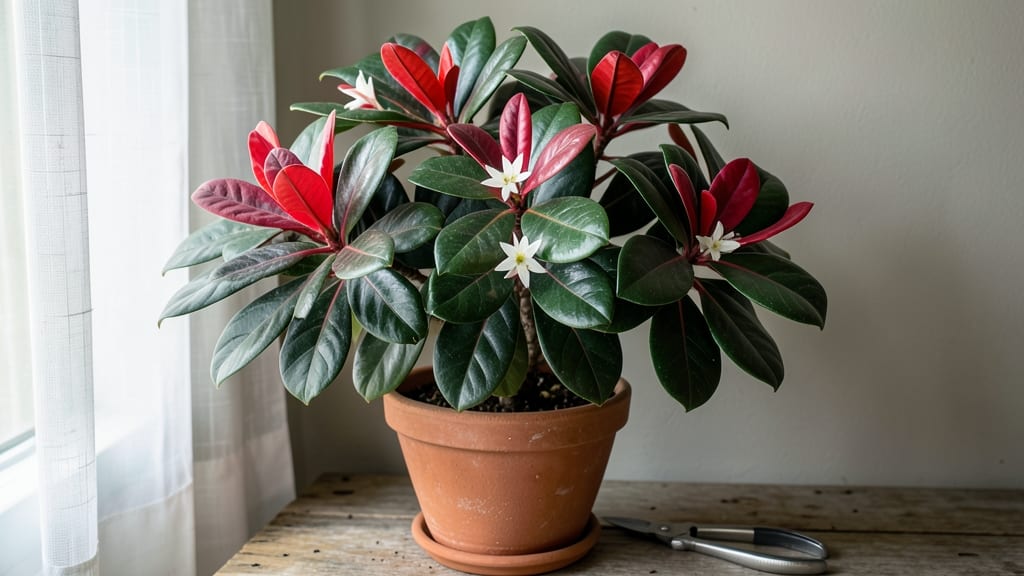
This Clusia rosea houseplant brings evergreen beauty indoors that never takes a vacation—just the right light, water, and patience to thrive year-round. 🌿 I’ve kept mine lush for three winters straight, and the secret isn’t complicated: it’s about matching its natural habits to your home.
The plant loves bright, indirect light but tolerates low light better than most tropicals. Water when the top inch of soil feels dry—overwatering is the #1 killer—and use well-draining soil to prevent root rot.
Humidity helps, but it’s not picky; even average indoor air works if you keep it out of drafts. Those glossy leaves stay vibrant when you mimic its jungle roots without the fuss.
By summer, you’ll spot clusters of striking red berries (edible, though not tasty) and new growth that’s shockingly fast. Prune leggy stems in spring to encourage bushier shape, and pinch back tips to trigger denser foliage.
The plant’s resilience makes it a foolproof choice for beginners who’ve lost houseplants to neglect. Troubleshoot yellow leaves by checking water habits—too much or too little causes the same problem. Brown edges? Boost humidity with a pebble tray.
And yes, it can handle fluorescent lighting, though natural light brings out its richest colors. Start with these basics, and you’ll have a plant that outlasts trends (and your last fad houseplant).
📚 In This Guide
- What you need
- Instructions
- Tips and common mistakes
- Wrapping up and next steps
What you need
- ● Clusia rosea plant: A healthy, mature plant (ensure it’s free of pests or disease).
- ● Well-draining potting mix: 60% peat-based or coco coir mix (for moisture retention)
- ● 30% perlite or pumice (for aeration, 1–2 cups per 1-gallon pot)
- ● 10% orchid bark or coarse sand (for structure, ½ cup per 1-gallon pot)
- ● Pot with drainage holes: Choose a container 1–2 inches larger in diameter than the current root ball (e.g., 6–12 inches, depending on plant size).
- ● Gloves and pruners: Sterilized pruners (sharp and clean) and gardening gloves for safety.
- ● Watering can or spray bottle: For gentle hydration (avoid soggy soil!).
- ○ Rooting hormone (optional): Helps encourage root growth if propagating (gel or powder form).
- ● Humidity tray or pebble tray: Clusia rosea loves humidity—place the pot on a tray with water and pebbles to maintain moisture.
- ● Fertilizer: Balanced liquid fertilizer (e.g., 10-10-10 or 20-20-20), diluted to half-strength (apply every 4–6 weeks in growing season).
- ○ Support stake or trellis (optional): If your plant grows tall or leggy, a lightweight stake can provide stability.
- ○ Grow lights (optional): For low-light areas, use a full-spectrum LED grow light (12–14 hours/day).
Step-by-step instructions for transplanting Clusia Rosea
This resilient tropical beauty thrives with the right care—here’s how to give it a fresh start.
🪴 Step 1: Choose the Right Pot and Soil Mix
Clusia Rosea loves its roots snug but not cramped—select a pot just 1-2 inches larger in diameter than its current container. Terra cotta works best because it breathes, preventing root rot. Drainage holes are non-negotiable; these plants hate soggy feet.
Use a well-draining peat-based potting mix with added perlite or orchid bark for aeration. I blend mine with a handful of coarse sand to mimic its natural, slightly gritty habitat. The mix should feel light yet retain moisture when squeezed—like a wrung-out sponge.
🌱 Step 2: Gently Remove and Inspect the Roots
Water the plant 24 hours before transplanting to reduce shock. Turn the pot sideways and tap the edges firmly until the root ball slides out. If it resists, run a knife around the inner rim to loosen it. Never pull by the stems—roots break easily.
Inspect the roots for any mushy or blackened sections. Snip those with clean scissors, then trim any circling roots that wrap tightly around the ball. This encourages outward growth. Healthy roots should be firm and white or pale tan—never slimy or hollow.
☀️ Step 3: Plant at the Same Depth and Water Lightly
Place the Clusia Rosea in its new pot so the top of the root ball sits flush with the soil line—burying the stem crown too deep suffocates it. Fill gaps with your prepared mix, pressing gently to eliminate air pockets. A slightly firm surface helps stabilize the plant.
Water lightly until moisture drips from the drainage holes, but avoid drowning it. Clusia Rosea prefers slightly dry soil between waterings, so let the top 1-2 inches dry out completely before the next drink. Overwatering is the #1 killer—yellow leaves mean you’re overdoing it.
💧 Step 4: Provide Bright, Indirect Light and Humidity
After transplanting, place your Clusia Rosea in bright, indirect light—think east or west-facing windows, or 6-8 feet from a south window. Direct sun burns its glossy leaves, while dim corners make it stretch leggy. You’ll know it’s happy when leaves stay deep green and compact.
Boost humidity by grouping plants together or setting the pot on a tray of pebbles with water underneath. Mist the leaves 2-3 times weekly (avoid wetting the stems). A humidifier nearby works wonders, especially in dry climates. Watch for curled leaf edges—this signals low humidity.
⏰ Step 5: Fertilize Lightly and Monitor Growth
Wait 4-6 weeks before fertilizing to let roots settle. Then, use a balanced liquid fertilizer (like 10-10-10) diluted to half strength every 6-8 weeks in spring and summer. Skip fertilizing in fall and winter—this plant rests then. Overfeeding causes salt buildup, which looks like brown leaf tips.
New growth should appear within 2-3 weeks if conditions are right. Prune leggy stems back to a leaf node to encourage bushier growth. Avoid heavy pruning—Clusia Rosea responds best to gentle shaping. If leaves drop after transplanting, don’t panic; it’s normal for up to 2 weeks as it adjusts.
Tips & tricks for thriving Clusia Rosea transplants
Between us, transplanting Clusia Rosea is where most people trip up—here’s how to avoid the pitfalls and set your plant up for lasting success.
Pot Size Matters: That 1-2 inch larger pot recommendation isn’t just arbitrary—it gives roots room to breathe without overwhelming the plant. Too big, and moisture lingers too long; too small, and roots get cramped. I’ve seen Clusia Rosea outgrow pots in just 6 months, so plan ahead if you have a mature plant. Terra cotta’s porous nature is key here—it wicks away excess moisture better than plastic, which is why it’s the gold standard for these tropicals.
Root Health Check: The 24-hour pre-watering is your secret weapon for stress-free removal. But here’s what nobody tells you—after inspecting roots, give them a quick rinse in lukewarm water if they’re coated in old soil. This helps you spot any hidden damage or pests before repotting. And those circling roots? Trim them like you’re giving the plant a fresh haircut—it’s not cruel, it’s liberating for growth.
Watering Wisdom: That "let the top 1-2 inches dry" rule is non-negotiable, but here’s the trick: stick your finger in the soil. If it feels like a slightly damp sponge, it’s ready for water. If it’s bone dry, you’re playing catch-up. I’ve learned this the hard way—yellow leaves always mean I’ve been overwatering, not underwatering. And pro tip: water until it drains from the bottom, then empty the saucer after 10 minutes. No one likes soggy feet.
Lighting Insights: The 6-8 feet from a south window guideline is perfect, but real talk—if your south window gets brutal afternoon sun, move it back to 10 feet. Those glossy leaves will burn faster than you can say "sunburn." And that bright indirect light? Think of it like a good hair day—just enough light to make it shine without frying it. East-facing windows are actually ideal for most homes.
Pro Tips for Clusia Rosea Houseplant
- Between us, transplanting Clusia Rosea is where most people trip up—here’s how to avoid the pitfalls and set your plant up for lasting success.
- Pot Size Matters: That 1-2 inch larger pot recommendation isn’t just arbitrary—it gives roots room to breathe without overwhelming the plant.
- Root Health Check: The 24-hour pre-watering is your secret weapon for stress-free removal.
Frequently asked questions
Got questions about keeping your Clusia rosea thriving?
Here are answers to the most common ones—so you can enjoy its stunning foliage without the guesswork.
How often should I water my Clusia rosea?
Water your Clusia rosea when the top 1–2 inches of soil feel dry. Aim for every 1–2 weeks, adjusting for humidity and light. Overwatering is the #1 killer—always ensure pots have drainage holes to prevent root rot.
Can Clusia rosea survive winter indoors?
Yes! This tropical beauty thrives year-round indoors. Keep it in bright, indirect light (no drafts) and maintain temps above 60°F (15°C). Reduce watering in winter if growth slows—it’s normal. A humidifier nearby helps prevent crispy leaves.
Why are my Clusia rosea leaves turning yellow?
Yellow leaves usually signal overwatering or poor drainage. Let the soil dry out completely between waterings and check for root rot (smelly, mushy roots). If underlighted, leaves may also yellow—move it to bright, filtered light (no harsh sun).
Is Clusia rosea toxic to pets?
Great news! This plant is non-toxic to cats and dogs, making it a pet-friendly choice. Still, monitor your furry friends to ensure they don’t nibble (though it’s safe, it’s not a snack!).
Can I propagate Clusia rosea from cuttings?
Take 4–6 inch stem cuttings in spring/summer, dip in rooting hormone, and plant in moist perlite or sand. Keep humid and warm (70–75°F) until roots form (4–8 weeks). Patience is key—this slow grower rewards persistence!
Wrapping up and next steps
Ready to welcome Clusia rosea into your home? This stunning houseplant isn’t just a low-maintenance beauty—it’s a year-round symbol of resilience and vibrant greenery. With the right care, it’ll thrive, purify your air, and bring a touch of tropical charm to any space. 🌿✨
Start small: pick a sunny spot, gather your supplies, and follow the steps to transplant with confidence. Whether you’re a seasoned plant parent or a beginner, Clusia rosea is the perfect project to grow your green thumb. Now, grab those shears and get planting!