
Blooming
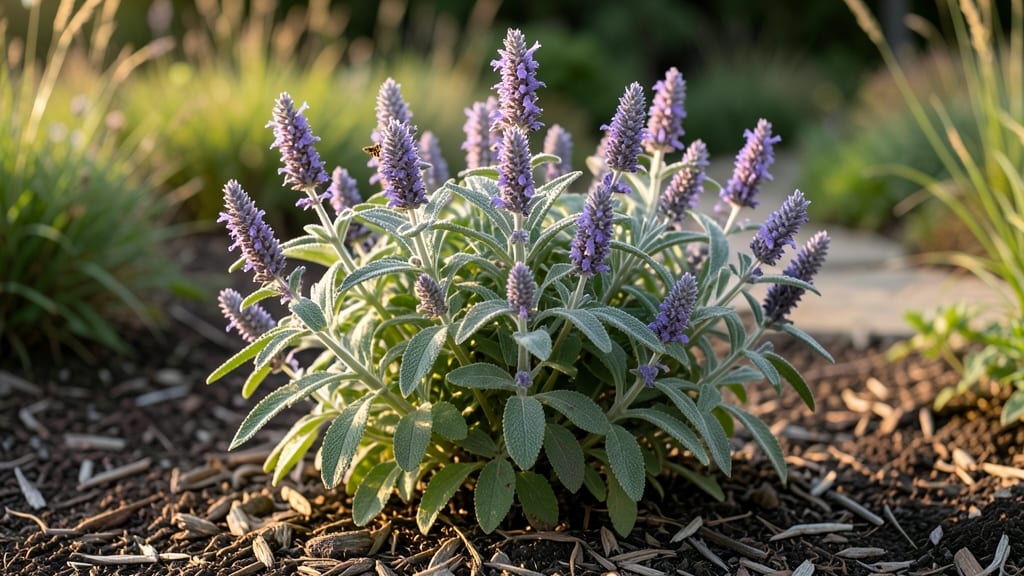
The catmint bloom time arrives with the first real heat—those purple spikes burst into view reliably in late spring, then return in a second flush when summer temperatures peak. 🌿 I’ve watched my 'Walker’s Low' catmint go from dormancy to vibrant purple blooms in just two weeks after a stretch of 80°F+ days, and it’s a sight that turns heads every season.
The trick isn’t just waiting for warm weather—it’s about sunlight, soil, and a little pruning. Catmint thrives in full sun (at least 6 hours daily) and well-draining soil.
If you’re in zones 3-8, you’ll likely see blooms from May through July, with a possible late-summer rebloom if you deadhead spent flowers. Varieties like 'Six Hills Giant' are especially generous with their second flush.
What you’ll end up with is a low-maintenance plant that rewards patience: fragrant foliage, buzzing pollinators, and blooms that last longer than most perennials. Even my black thumb can’t kill this one—it’s tough, drought-tolerant, and comes back year after year.
For best results, prune back by a third after the first bloom to encourage that second flush. Works for borders, containers, or even as a ground cover—just give it space to spread.
📚 In This Guide
- What you need
- Instructions
- Tips and common mistakes
- Wrapping up and next steps
What you need
- ● Catmint plants (established, healthy plants—Nepeta spp. like ‘Walker’s Low’ or ‘Six Hills Giant’ work best!)
- ● Well-draining potting mix (for container plants; cactus/succulent blend works well if amending garden soil)
- ● Slow-release fertilizer (10-10-10 or organic options like fish emulsion—1 tbsp per plant)
- ● Pruning shears (sterilized, sharp shears for trimming spent blooms)
- ● Heat source (choose one): Heat mat (12" x 24", 70–80°F setting)
- ● Grow light (LED or fluorescent, 12–14 hours/day)
- ● Greenhouse or sunroom (natural warmth, 75°F+)
- ● Watering can (with rose attachment for gentle hydration)
- ● Thermometer (to monitor soil temp—ideal: 65–75°F)
- ● Mulch (straw or shredded bark to retain heat in garden beds)
- ● Hormonal rooting gel (if propagating cuttings from reblooming stems)
- ● Decorative stones (to elevate pots for better airflow and warmth)
How to time catmint's heat-triggered purple rebloom
Here's how I coax my catmint into a second flush of lavender blooms every summer.
☀️ Step 1: Understand Catmint's Heat Requirements
Catmint typically blooms in late spring, but its second flush depends on consistent daytime temperatures above 75°F. I watch my local weather forecast after the first bloom fades—once we hit three consecutive days above 80°F, that's my signal to start the rebloom process.
This heat trigger tells the plant it's safe to produce new flower buds. If your summers stay cool, don't force it—catmint won't rebloom until the next spring. I've learned the hard way that pushing it too early in cooler weather just stresses the plant.
✂️ Step 2: Prune After First Bloom Fades
When the first flush of purple blooms starts turning brown (usually 4-6 weeks after initial flowering), it's time to prune. I cut back the stems by about one-third their height, but never below the lowest set of healthy leaves. This encourages new growth from the base where the plant stores energy.
Use clean, sharp pruners to make cuts at a 45-degree angle just above a leaf node. Avoid shearing the stems—ragged cuts invite disease. I always prune on a dry morning when the plant is well-hydrated to reduce stress.
💧 Step 3: Adjust Watering for Summer Growth
During the rebloom period, catmint needs 1 inch of water per week, but I adjust based on heat. When temperatures exceed 85°F, I water every 3-4 days in the early morning to prevent stress. The soil should be dry to the touch 2 inches down before watering again.
Here's the thing—catmint is drought-tolerant, but for a second flush, you need to balance moisture. Too much water dilutes nutrients, while too little stresses the plant. I use a rain gauge to track weekly totals and supplement only when needed.
🌿 Step 4: Fertilize for Strong Second Blooms
About 2 weeks after pruning, I apply a balanced 10-10-10 fertilizer at half strength. This gives the plant the nutrients it needs to produce new flower buds without overstimulating leafy growth. I always water the soil first to prevent root burn.
I avoid high-nitrogen fertilizers—they encourage lush foliage at the expense of blooms. Instead, I focus on phosphorus and potassium to support flower development. After fertilizing, I mulch with 1 inch of organic mulch to retain moisture and regulate soil temperature.
⏰ Step 5: Monitor and Maintain Through Rebloom
The rebloom typically appears 6-8 weeks after pruning, but timing varies based on heat and rainfall. I watch for new flower buds forming at the stem tips—these look like tiny purple cones before they open. Once buds appear, I reduce watering slightly to prevent them from splitting open too quickly.
Deadhead spent blooms regularly to encourage more flowers and prevent the plant from going to seed. I also keep an eye out for powdery mildew, which thrives in hot, humid conditions. If I spot white powder on leaves, I treat it immediately with neem oil to protect the plant's energy for blooming.
Tips & tricks for perfect catmint rebloom Timing
Getting that second flush of purple blooms isn't luck—it's about reading your plant and the weather like a pro. Here's how I've refined my approach after years of trial and error.
Heat Timing is Everything: The three consecutive days above 80°F in Step 1 are your golden window. I set up a free weather alert on my phone for when we hit that threshold—it's the plant's cue to start producing new buds. If you're in a cooler climate, don't rush it; waiting for that consistent warmth is what triggers the rebloom chemistry. I've seen plants stressed by early pruning in cooler weather just give up entirely.
Pruning Precision Matters: When you're cutting back those stems in Step 2, aim for clean cuts just above a leaf node—this is where new growth will emerge. I use a sharp pair of pruners and make the cut at a 45-degree angle to increase surface area for faster healing. The key is cutting back to about one-third height but never below those healthy leaves at the base. This might seem counterintuitive, but it's where the plant stores energy for new growth.
Watering Wisdom: That 1 inch per week guideline in Step 3 is your baseline, but it's not set in stone. During heatwaves above 85°F, I switch to every 3-4 days and always water in the morning. The soil should be dry 2 inches down—stick your finger in to check. Too much water dilutes nutrients, while too little stresses the plant. I've learned this the hard way after watching plants wilt during droughts or develop root rot from overwatering.
Fertilizer Timing Secret: The 2-week mark after pruning in Step 4 is critical for applying that half-strength 10-10-10 fertilizer. I always water the soil first to prevent root burn, then apply the fertilizer. The key is focusing on phosphorus and potassium—these support flower development rather than just leafy growth. After fertilizing, I add that 1 inch of organic mulch to lock in moisture and regulate soil temperature, which helps the plant focus its energy on blooming rather than stressing over temperature swings.
Pro Tips for Catmint Bloom Time
- Getting that second flush of purple blooms isn't luck—it's about reading your plant and the weather like a pro.
- Heat Timing is Everything: The three consecutive days above 80°F in Step 1 are your golden window.
- Pruning Precision Matters: When you're cutting back those stems in Step 2, aim for clean cuts just above a leaf node—this is where new growth will emerge.
Frequently asked questions
Got questions about catmint’s bloom time and how to coax those stunning purple spikes back? Here are answers to the most common queries—because every gardener deserves a second (or third!) wave of color!
When does catmint typically bloom the first time?
Catmint usually blooms 6–8 weeks after planting in spring, with flowers appearing between late May and June in most U.S. zones (4–9). Early bloomers may show color as soon as April in warmer climates! Deadheading spent blooms encourages a rebloom later in summer.
How long does a catmint rebloom last?
A heat-triggered second bloom typically lasts 4–6 weeks, starting in mid-to-late summer (July–August). To extend the show, prune back 1/3 of the plant after the first flush—this jumpstarts new growth and delays dormancy. Pro tip: Mulch with straw to retain moisture and heat!
Why isn’t my catmint reblooming this year?
Reblooming depends on three key factors:
- Heat: Catmint needs consistent temps above 75°F (24°C) to trigger rebloom.
- Pruning: Skip deadheading or pruning too late (after July) and you’ll miss the second wave.
- Nutrients: Over-fertilizing with nitrogen (e.g., lawn fertilizer) promotes leafy growth over flowers.
Try lightly fertilizing with 5-10-5 in early summer instead!
Can I force catmint to bloom earlier or later?
While you can’t force catmint to bloom outside its natural rhythm, you can influence timing:
- Earlier blooms: Plant in full sun and use black landscape fabric to warm the soil.
- Later blooms: Prune back after the first bloom (not before) to delay rebloom until cooler months.
Bonus: Container-grown catmint may bloom 1–2 weeks earlier than in-ground plants!
What’s the best catmint variety for multiple blooms?
For reliable reblooming, try these top picks:
Variety
Bloom Time
Height
‘Walker’s Low’
June + August–September
2–3 ft
‘Purpurascens’
May + July–October
1–2 ft
‘Blue Spire’
June + August–September
3–4 ft
All thrive in drought conditions once established—perfect for low-maintenance gardens!
Wrapping up and next steps
Catmint’s heat-triggered purple rebloom is a gardener’s delight—just a little patience and the right conditions can turn your yard into a fragrant, vibrant haven! 🌿 Whether you’re pruning for longevity, adjusting sunlight, or embracing drought tolerance, these secrets unlock repeat blooms all season long. Ready to transform your garden?
🌱 Your Next Step: Plant & Observe!
Grab your catmint cuttings, prep that sunny spot, and let nature do the magic. Track your progress—note when those buds pop and share your rebloom triumphs with fellow gardeners! 📸💬