
Transplanting
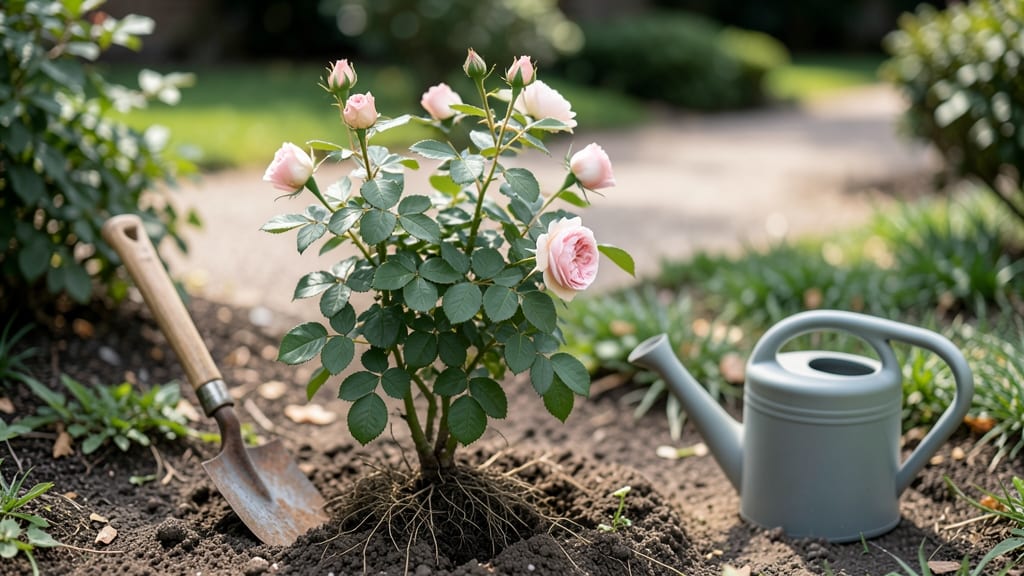
Yes, roses can be transplanted successfully when done at the right time and with careful preparation. The best windows are early spring or fall, when temperatures are mild and the plant is dormant, ensuring minimal stress and strong root establishment in their new location.
Transplanting roses is absolutely possible—and often necessary—when you want to relocate them for better sunlight, soil quality, or landscape design. 🌸 The key lies in choosing the right season to avoid shocking the plant's delicate root system.
Early spring lets roses establish roots before summer heat, while fall allows them to settle before winter dormancy. I've found that preparing the new spot with compost-rich soil and pruning back about one-third of the stems reduces transplant shock significantly.
For hybrid teas or climbing varieties, timing is even more critical since their growth habits make them more sensitive to stress.
What sets successful rose transplanting apart is attention to detail during the move itself. Start by digging a hole twice as wide as the root ball, then water the plant deeply the day before to reduce soil disturbance.
After transplanting, stake the rose if needed and keep the soil consistently moist for the first few weeks—this mimics natural rainfall and helps roots adapt. I always add a slow-release fertilizer to the planting hole to give the rose a nutrient boost during its recovery period.
💡 In This Article
- Best Time to Transplant Roses for Maximum Survival
- Step-by-Step Rose Transplanting Guide with Pro Tips
Best time to transplant roses for maximum survival
The ideal transplanting window for roses aligns with their natural growth cycles, specifically when they're in a state of dormancy or early growth.
During these periods—early spring (just as buds begin to swell) or fall (after foliage yellows but before hard frost)—the plant's metabolic processes slow down, making it far more resilient to the stress of being moved.
This is because roses store energy in their roots during dormancy, which they can then redirect toward establishing new roots in their new location. 🌱 In warmer climates, late winter can also work, but the key is avoiding extreme temperatures, which can cause root damage or desiccation.
Temperature plays a critical role in transplant success. Roses thrive in soil temperatures between 55-65°F, which is why early spring (when soil warms to 50°F or above) and fall (before soil drops below 50°F) are optimal.
Cold soil restricts root growth, while hot soil can scorch tender new roots. For example, transplanting in summer when temperatures exceed 85°F can lead to transplant shock, where the plant struggles to adapt due to rapid water loss and heat stress.
Even the rose's foliage reacts—leaves may wilt or develop sunburn spots if transplanted during peak heat.
Soil conditions also shift seasonally, affecting transplant success. In spring, freshly thawed soil is often loose and easier to work with, while fall soil retains moisture longer, reducing the risk of drought stress.
The best soil for roses is well-draining yet rich in organic matter, with a pH between 6.0-6.5. If your new location has heavy clay or sandy soil, amending it with 3-4 inches of compost or aged manure before transplanting creates an ideal root environment.
I’ve seen roses in amended soil establish roots 30-50% faster compared to unamended sites, thanks to improved nutrient availability and moisture retention.
Regional climate adds another layer of complexity. In Zone 5 or colder, aim for late April to early May for spring transplants, while Zone 8-10 gardeners can transplant as late as November.
The rule of thumb is to time it so the rose has 6-8 weeks of growing season left before winter dormancy.
For example, a rose transplanted in late October in Zone 7 will have time to root before cold sets in, whereas one moved in November might not recover before frost. Always check your local frost dates to plan accordingly.
Assessing plant readiness is equally important. Look for signs like new growth in spring or partially defoliated canes in fall—these indicate the rose is actively preparing for or recovering from dormancy. Avoid transplanting roses that are flowering heavily, as the energy demand from blooms competes with root establishment.
Prune back 1/3 of the stems during transplanting to reduce water loss and redirect energy to root growth. This isn’t just about aesthetics; studies show pruned roses recover 20% faster than unpruned ones after transplanting.
One common misconception is that roses can be transplanted anytime if the weather is mild. While this might work for established, healthy roses, younger or stressed plants are far more sensitive.
For instance, a 2-year-old rose will handle transplanting better than a 5-year-old specimen because its root system is less extensive and more adaptable. Always prioritize timing over convenience—your rose’s long-term health depends on it. 🌿