
Blooming
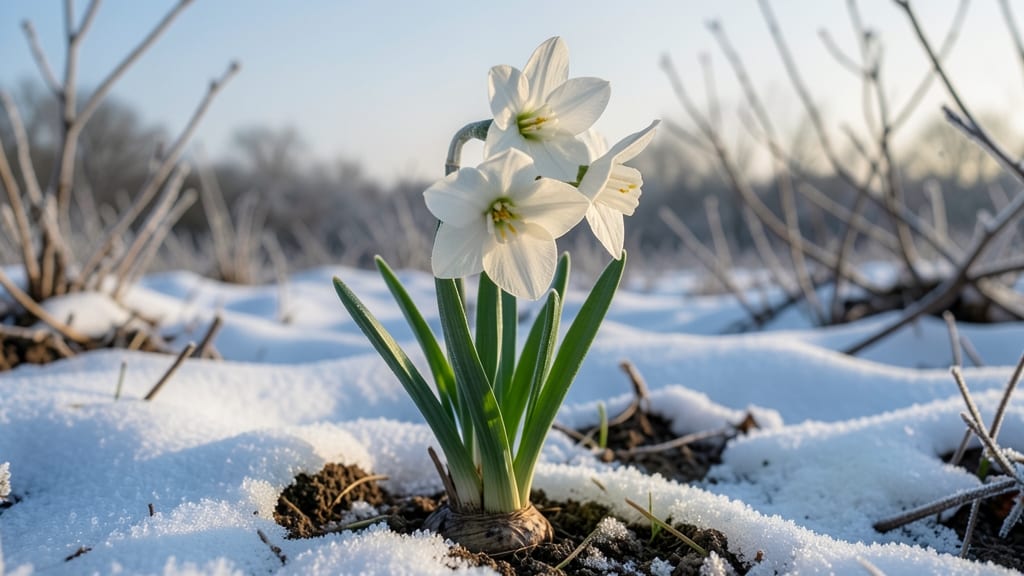
Winter gardens don’t have to be dull—these 10 frost-resistant bulbs burst into color when most plants sleep, offering vibrant blooms and early pollinator support. Perfect for cold climates or late-season gardeners, these hardy picks transform bare landscapes into winter wonders.
Christmas Rose (Helleborus niger)
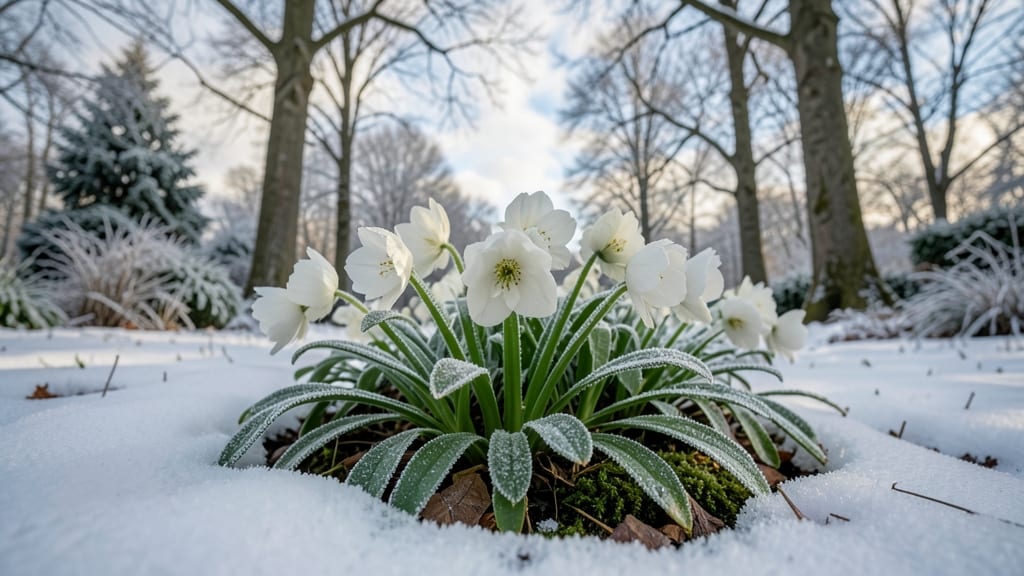
Imagine a garden so enchanting it feels like a holiday postcard—Helleborus niger, or Christmas Rose, delivers just that with its snow-kissed white blooms appearing even when the ground is still blanketed in frost. This legendary winter perennial thrives in shade gardens and woodland edges, where its dark evergreen foliage contrasts beautifully with the season’s muted tones.
Plant these drought-tolerant beauties in well-draining soil during fall or early spring, and they’ll reward you with blooms from December through February. Their nodding flowers, often dusted with snow, symbolize resilience and early beauty—perfect for gardeners who crave color when most plants are dormant. Deer tend to avoid them, making them a low-maintenance choice for rural or suburban plots.
Ideal for shade-loving gardeners or those with limited sun exposure, the Christmas Rose adds a touch of magic to winter landscapes while requiring minimal care. 🌿
Snowdrops (Galanthus nivalis)
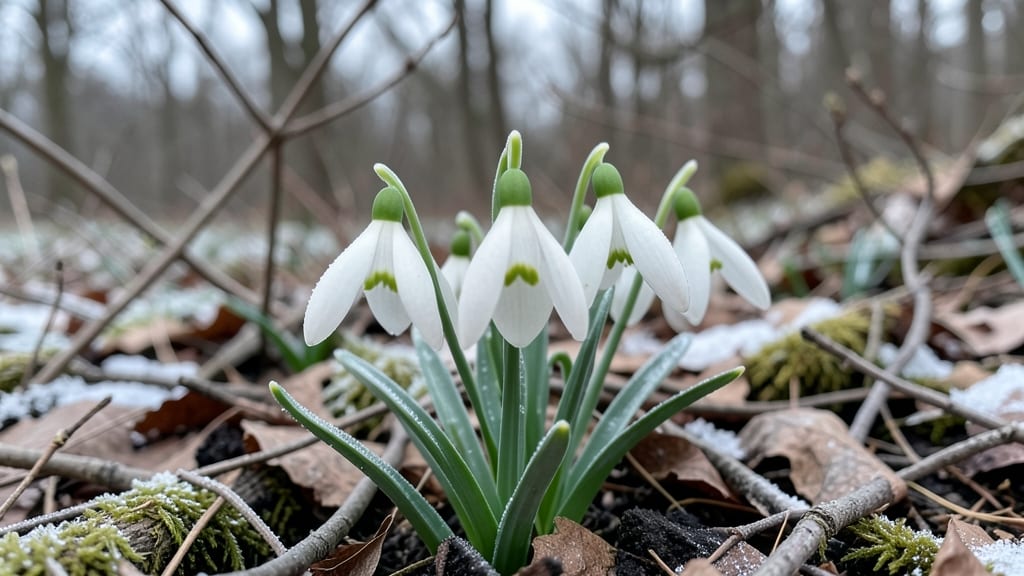
If you crave a splash of color before spring officially arrives, snowdrops (Galanthus nivalis) are your secret weapon. These delicate, bell-shaped blooms often push through snow as early as December, offering a whisper of hope when gardens are still dormant.
Perfect for woodland gardens or under deciduous trees, snowdrops thrive in partial to full shade and naturalize effortlessly, multiplying over time. Plant bulbs in fall (4-6 inches deep) in well-draining, moist soil—no fuss required. Their drought-tolerant nature makes them ideal for low-maintenance spaces, while their early blooms provide vital nectar for bees emerging from winter.
Urban gardeners and shade lovers will adore how snowdrops brighten dark corners, while their year-round evergreen foliage adds texture even after blooms fade. A true sign of spring’s arrival, they’re the perfect way to welcome winter’s end. 🌱
Winter Aconite (Eranthis hyemalis)
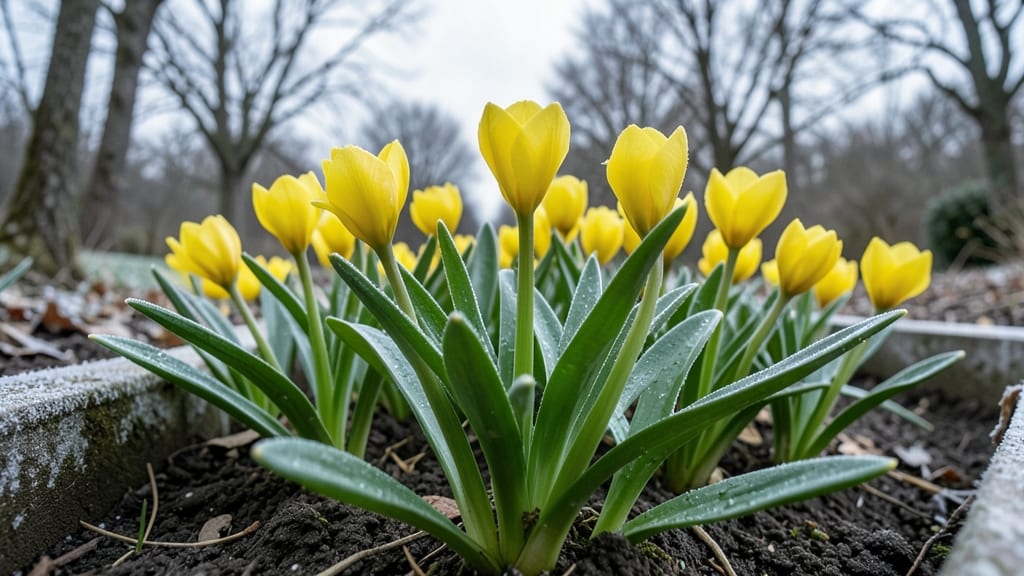
When the world outside looks bleak and gray, winter aconite (Eranthis hyemalis) bursts onto the scene with its cheerful bright yellow blooms, signaling that spring is just around the corner. This early bloomer thrives in full sun and tolerates light frost, making it a standout choice for sunny borders or containers.
Plant the bulbs in well-draining soil in early fall, about 2 inches deep and 3 inches apart, for a stunning display in late winter. Unlike shade-loving options, winter aconite thrives where sunlight hits hardest, creating a striking contrast against dormant landscapes. Its glossy, deep green leaves add texture even after blooms fade.
Perfect for urban gardeners or small-space enthusiasts, winter aconite brings instant cheer with minimal effort. Pair it with early crocus or snowdrops for a layered winter garden that wakes up the season. 🌻
Crocus (Crocus species)
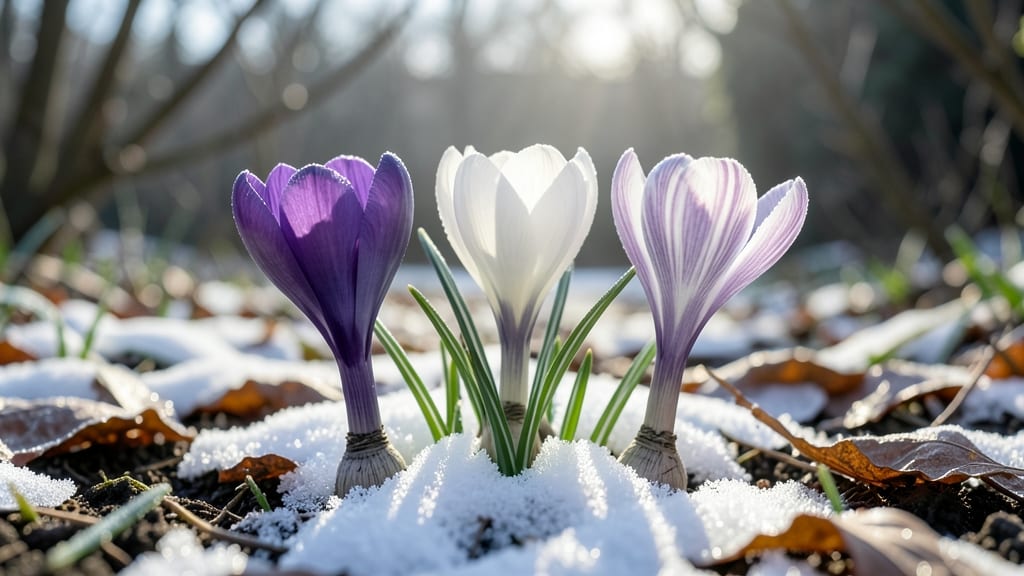
Want to brighten up your garden before spring arrives? Crocus bulbs are your secret weapon—these cheerful bloomers push through snow to deliver purple, white, or striped flowers as early as late winter. Their early emergence makes them ideal for forcing indoors, giving you a burst of color on your table just in time for holidays.
Plant crocus bulbs in fall (October-November) in well-draining soil with full sun to partial shade. They thrive in rock gardens, along pathways, or even in containers, and their naturalizing habit means they’ll multiply year after year. For indoor forcing, dig up bulbs in fall, pot them, and place in a cool, dark spot until shoots appear—then move to bright light to trigger blooms.
Perfect for beginners or small-space gardeners, crocus bulbs require minimal care and deliver maximum impact. Their early blooms also attract bees and other pollinators when food is scarce. 🌟
Winter Jasmine (Jasminum nudiflorum)
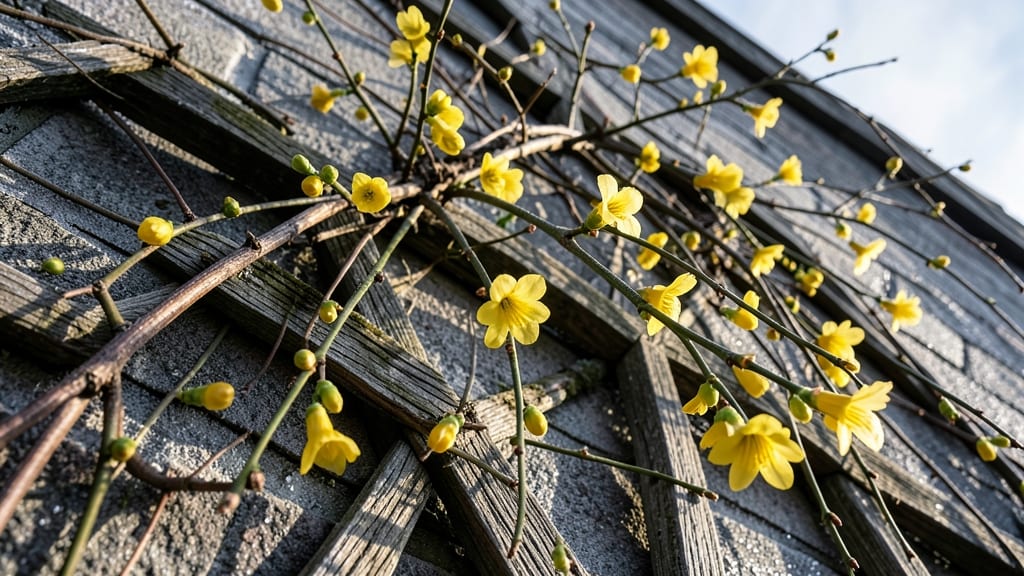
When winter’s gray walls feel bare, winter jasmine (Jasminum nudiflorum) arrives like a burst of sunshine—its bright yellow flowers cascading down trellises and fences from late winter through early spring. Unlike traditional bulbs, this deciduous vine thrives in full sun to partial shade, making it perfect for urban gardeners with limited space or those seeking vertical interest.
Plant it in well-drained soil against a fence, arbour, or wall where its arching stems can climb and spread. Prune back old stems in early spring to encourage fresh growth, and watch as it blooms before leaves appear, creating a stunning contrast. It’s hardy in zones 5-9, so it’s ideal for cold climates where most vines struggle.
For gardeners who want to extend winter color beyond bulbs, winter jasmine delivers drama with minimal effort—just add water during dry spells and enjoy its cheerful display. 🌻
Siberian Squill (Scilla siberica)
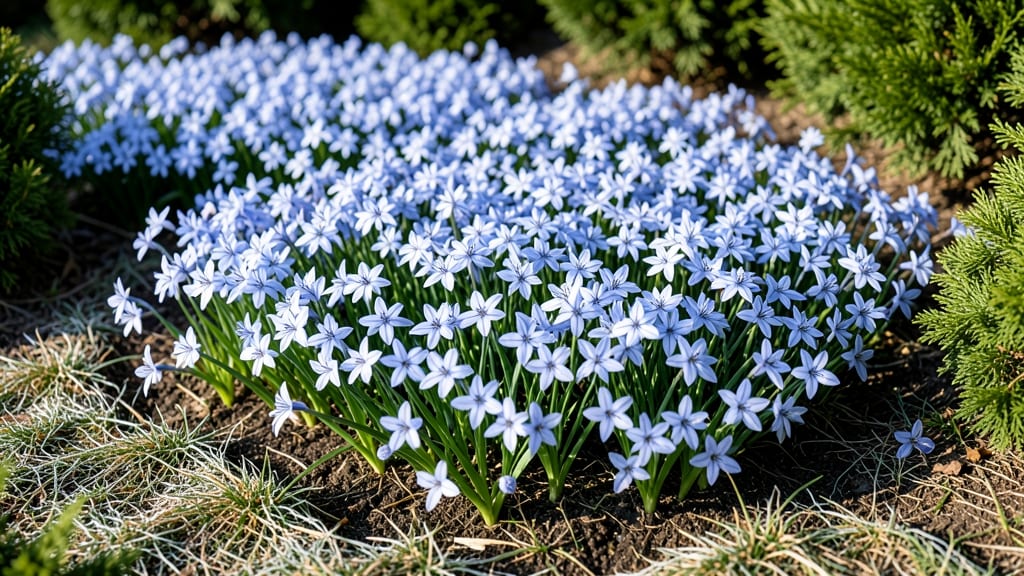
Imagine waking up to a sea of blue carpeting your lawn or spilling beneath shrubs—Siberian squill (Scilla siberica) delivers that fairy-tale effect with its dense clusters of star-shaped blooms that appear in late winter. Unlike other winter bulbs, this hardy perennial thrives in full sun to partial shade, making it ideal for naturalizing where few other plants dare to bloom.
Plant the bulbs 3-4 inches deep and 4 inches apart in well-draining soil from fall to early winter. They return year after year, multiplying to create vibrant drifts that brighten early spring. Deer and rabbits typically avoid them, and they tolerate light foot traffic, so they’re perfect for lawns or understory plantings. Pair them with daffodils to deter squirrels from digging up the bulbs.
This is the easiest bulb for gardeners who want instant color without the fuss of annuals. Perfect for urban gardens, cottage-style landscapes, or even container edges, Siberian squill proves that winter doesn’t have to be colorless. 💚
Glory of the Snow (Chionodoxa luciliae)
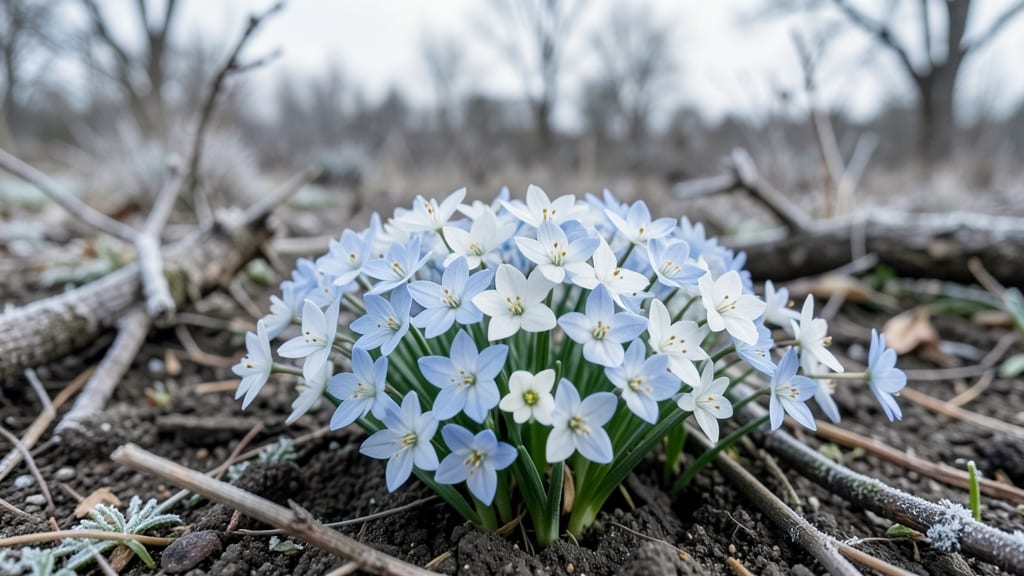
When winter seems endless, Glory of the Snow (Chionodoxa luciliae) arrives like a whisper of spring with its delicate blue or white star-shaped blooms. These tiny but striking flowers emerge in late winter, often before snow has fully melted, offering a splash of color when most gardens are still dormant.
Perfect for containers or rock gardens, these bulbs thrive in full sun to partial shade and prefer well-draining soil. Plant them in clusters for a dramatic effect, and they’ll naturalize over time, returning year after year. Their early blooms also attract bees and other pollinators, giving them an added ecological benefit.
Urban gardeners and small-space enthusiasts will love how easily these bulbs fit into tight spots, while rock garden lovers can use them to create whimsical, fairy-tale-like displays. A true winter gem! 💚
Lenten Rose (Helleborus orientalis)
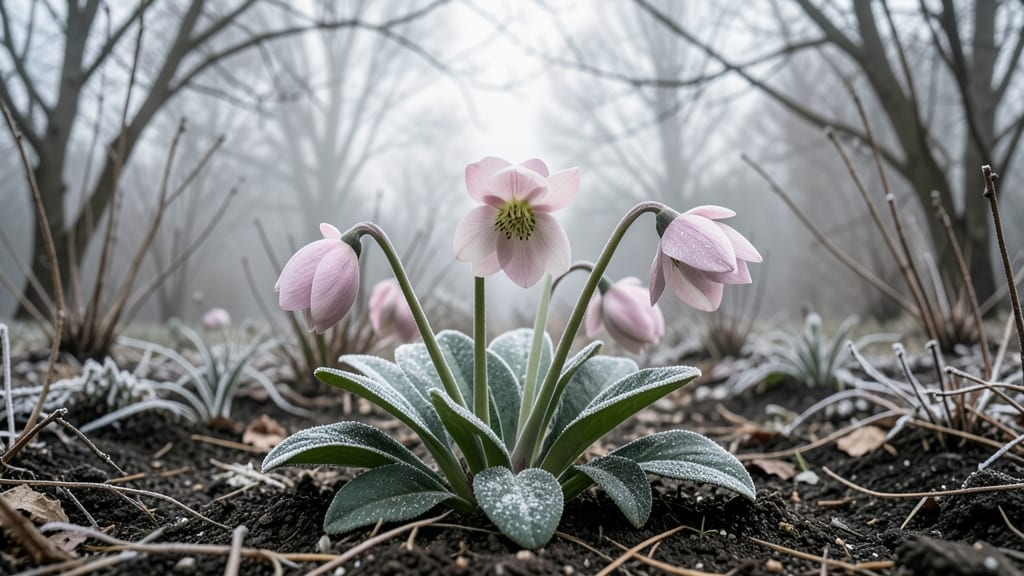
When your garden looks like a monochrome painting in winter, Lenten Rose (Helleborus orientalis) steps in as a bold artist, painting strokes of color from December through March. Unlike traditional bulbs that fade quickly, this shade-loving perennial unfurls its elegant, nodding blooms in soft pinks, purples, or whites—often while snow still lingers.
Thriving in partial to full shade, Lenten Roses demand minimal care beyond well-draining soil and occasional watering during dry spells. Their evergreen foliage adds texture year-round, while deer and rabbits typically avoid them. For maximum impact, plant in clusters under trees or along foundation plantings where their 6-12 inch height creates a low, living border.
This is the perfect plant for gardeners who want low-maintenance winter color without the fuss of bulbs. Shade garden enthusiasts and those with dark, heavy soils will especially appreciate its resilience and cheerful blooms that defy the cold. 🌷
Snowflake (Leucojum vernum)
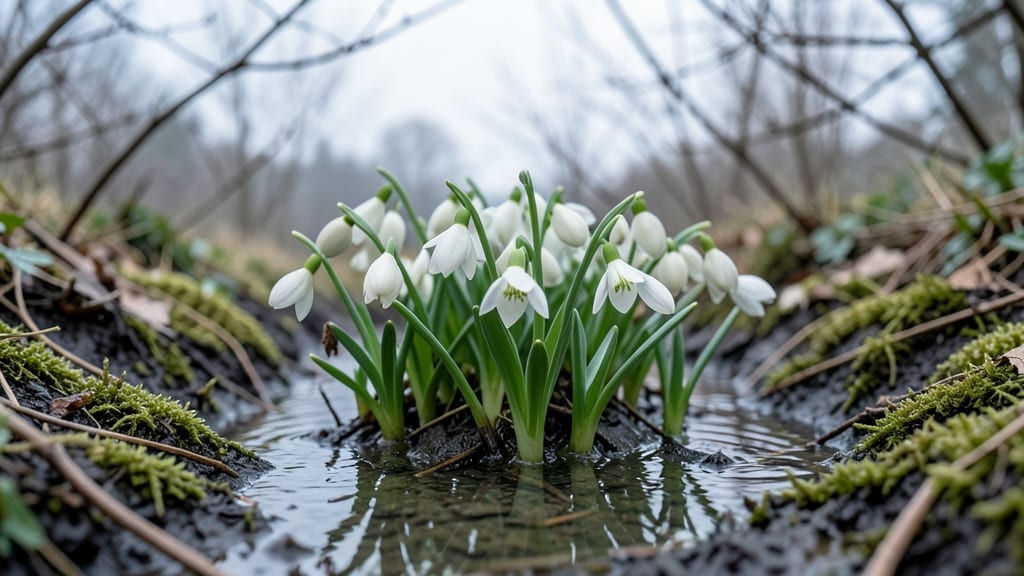
Transform soggy corners of your garden into a serene early spring display with snowflake (Leucojum vernum)—a bulb that thrives where others refuse to grow. These delicate, bell-shaped white flowers with charming green tips bloom in late winter to early spring, bringing fresh color to ponds, bog gardens, or damp woodland edges.
Plant bulbs in well-drained but consistently moist soil at a depth of 2-3 inches, with clusters spaced 3-4 inches apart. They prefer partial shade but tolerate full sun in cooler climates, making them ideal for USDA zones 3-8. The flowers nod gracefully on slender stems, creating a whimsical, almost fairy-tale effect that lasts for weeks.
Perfect for gardeners with wet or shady spots, snowflakes also naturalize beautifully over time. Their subtle elegance pairs well with hellebores or ferns, offering a low-maintenance way to extend your garden's season. 🌷
Winter Daffodil (Galanthus elwesii)

When most gardens are still blanketed in snow, the winter daffodil (Galanthus elwesii) bursts forth with large, fragrant white blooms that smell like spring. Unlike its spring-blooming cousins, this hardy bulb thrives in colder climates, often emerging as early as February—sometimes even poking through light snow.
Plant these fragrant giants in lawns, under trees, or along shady borders where they’ll naturalize effortlessly over time. Their glossy green leaves provide year-round interest, while the 6-inch-tall blooms create a striking contrast against winter’s muted palette. They prefer partial shade and well-drained soil, making them ideal for gardeners who want drama without fuss.
Perfect for urban gardeners with small spaces or those seeking a low-maintenance way to extend winter color, these daffodils also attract early pollinators. Their bold presence makes them a standout choice for gardeners who love a grand entrance before spring officially arrives. 🌱