
Flowers
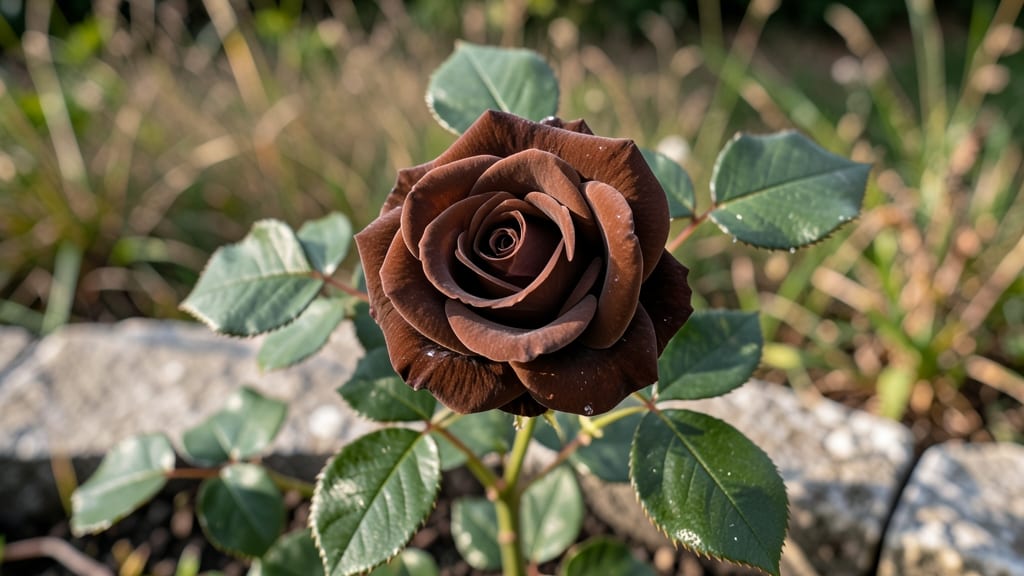
Those brown colored roses—deep burgundy, chocolate, and bronze—turn gardens into moody, romantic canvases, whispering drama instead of shouting color. 🌹 I discovered these earthy beauties while designing a garden that felt like a living painting, and they became the unexpected star.
They thrive in morning sun with afternoon shade, making them perfect for borders or mixed beds where they anchor other plants. Pair them with silver foliage (like lamb’s ear) or deep greens (heuchera) to make their rich tones pop.
In autumn, their deep hues blend seamlessly with golden foliage, creating a warm, natural palette that lasts all season.
📚 In This Guide
- What you need
- Instructions
- Tips and common mistakes
- Wrapping up and next steps
What you need
- ● Brown-Rich Rose Varieties: ‘Chocolate Rose’ (deep cocoa blooms)
- ● ‘Café au Lait’ (creamy brown roses)
- ● ‘Black Baccara’ (deep burgundy-black, often appears brownish)
- ● Growing Supplies (if planting): 1–3 bare-root rose plants (dormant season) or potted roses (spring/summer)
- ● 6–8 hours of sunlight per day
- ● Well-draining soil mix (50% garden soil, 30% compost, 20% perlite/sand)
- ● 1 gallon of rose-specific fertilizer (balanced NPK, e.g., 10-10-10)
- ● Organic mulch (2–3 inches of wood chips or straw)
- ● Pruning shears (sterilized with rubbing alcohol)
- ● Natural Dyes: 1 cup black tea (for subtle brown tint) or coffee grounds (deeper tone)
- ● 1 tbsp vinegar (as a mordant to set color)
- ● Artificial Dyes (for bold results): Food-grade brown dye (e.g., beet juice powder or liquid fabric dye)
- ● White vinegar (1 cup) or citric acid (to bind color)
- ● Tools: Spray bottle (for even dye application)
- ● Plastic gloves (to protect hands)
- ● Newspaper or drop cloth (for cleanup)
- ● ✅ Know your climate: Brown roses thrive in USDA Zones 5–10.
- ● ✅ Patience is key! Dyeing roses takes 24–48 hours for color to fully set.
- ● 💡 Pro tip: Test dye on a single bloom first to check color intensity.
How to grow and care for stunning brown-colored roses
These velvety, deep-hued roses thrive with the right soil, light, and pruning—here's how to cultivate their drama.
🌱 Step 1: Select the Right Variety and Planting Location
Brown-colored roses don't exist in nature, but deep burgundy, chocolate, and mocha varieties like 'Black Baccara' or 'Chocolate Cream' create that rich, velvety look. Choose a spot with full sun (6-8 hours daily) and well-draining soil—these roses hate soggy roots. Test your soil pH first; they prefer 6.0-6.5. Amend heavy clay with 3-4 inches of compost to improve drainage.
Here's the thing—these deep-hued roses need consistent moisture but won't tolerate waterlogged soil. If your garden drains poorly, raise beds slightly or plant in containers with drainage holes. I always plant mine in slightly elevated spots to prevent root rot, which can turn those gorgeous petals to mush.
☀️ Step 2: Plant at the Right Time and Depth
Spring or early fall is ideal for planting. Dig a hole twice as wide as the root ball but only as deep—planting too deep suffocates the graft union. Gently loosen roots if they're circling, then place the rose so the graft union sits 2 inches above soil level. This ensures strong regrowth after winter.
Backfill with native soil mixed with compost to encourage root spread. Water deeply right after planting to settle the soil and eliminate air pockets. You'll see new growth within 2-3 weeks if conditions are right—watch for those first tiny leaves unfurling from the bud.
💧 Step 3: Water Deeply and Fertilize Strategically
Water 1-2 inches per week, letting soil dry slightly between waterings. Deep burgundy roses need consistent moisture to maintain their rich color, but overwatering causes yellowing leaves. I use drip irrigation to deliver water at the base, avoiding wetting foliage—which prevents fungal diseases like black spot.
Fertilize with a balanced rose food (10-10-10) every 4-6 weeks during growing season. Too much nitrogen makes leaves grow fast but weakens petal development. Stop fertilizing by late summer to encourage hardy wood formation before winter. You'll notice deeper petal hues when you feed them properly—it's like watching their color intensify.
✂️ Step 4: Prune for Health and Dramatic Blooms
Prune in early spring before new growth starts. Remove dead, diseased, or crossing branches first. Then cut back remaining stems to just above an outward-facing bud, making cuts at 45-degree angles. This encourages strong, bushy growth and prevents crowded centers where pests hide.
Deadhead spent blooms regularly to redirect energy into new flowers. For dramatic effect, leave a few blooms on the plant—those velvety petals last longer in arrangements. I always sterilize pruners with rubbing alcohol between cuts to prevent spreading disease. Watch for new buds forming within 4-6 weeks after pruning.
🪴 Step 5: Protect for Winter and Encourage Year-Round Drama
In colder zones, mound 4-6 inches of mulch around the base after first frost. This insulates roots while allowing moisture to penetrate. Wrap the canes loosely with burlap if temperatures drop below 10°F, but leave the top bud exposed for spring regrowth.
These roses reward patience with their rich, velvety blooms. In warmer climates, they may bloom year-round with proper care. I've found that a light application of Epsom salt (1 tablespoon per gallon of water) every 2 months keeps the foliage vibrant and petals deep in color. The key is consistency—don't skip the winter prep, and you'll have roses that look like they belong in a grand ballroom, not just your garden.
Tips & tricks for perfect brown-colored roses
The secret to those velvety, deep-hued roses lies in the details—here's how to elevate your garden drama.
Variety Selection: When choosing between 'Black Baccara' and 'Chocolate Cream', consider your climate. 'Black Baccara' thrives in cooler regions with its rich burgundy petals, while 'Chocolate Cream' handles heat better with its mocha tones. Both need full sun, but 'Black Baccara' may need slight afternoon shade in hotter zones to prevent petal bleaching.
Soil Preparation Strategy: The 3-4 inches of compost recommendation isn't just about drainage—it's about creating a nutrient-rich environment that enhances those deep hues. Mix in a handful of coffee grounds (used, not fresh) when amending clay soil. The acidity mimics their natural growing conditions and intensifies the petal color over time.
Pruning Precision: In Step 4, when making those 45-degree cuts above outward-facing buds, think of it as creating little "windows" for new growth. The angle prevents water from pooling on the cut, which reduces disease risk. I use a sharp pair of pruners and make each cut in one smooth motion—hesitation causes jagged edges that invite pests.
Winter Protection: That 4-6 inches of mulch isn't just insulation—it's a moisture barrier too. In colder climates, I add an extra 2 inches of straw mulch on top of the regular mulch layer. This creates a "snow blanket" effect that protects against extreme temperature swings, which can cause the canes to crack and bleed sap.
Pro Tips for Brown Colored Roses
- The secret to those velvety, deep-hued roses lies in the details—here's how to elevate your garden drama.
- Variety Selection: When choosing between 'Black Baccara' and 'Chocolate Cream', consider your climate.
- Soil Preparation Strategy: The 3-4 inches of compost recommendation isn't just about drainage—it's about creating a nutrient-rich environment that enhances those deep hues.
Frequently asked questions
Got questions about those stunning brown-colored roses? You’re not alone! Here are some of the most common queries—and their answers—to help you embrace these velvety beauties with confidence.
What do brown roses symbolize?
Brown roses are often associated with enduring love, warmth, and deep appreciation. Unlike traditional red or white roses, they carry a subtle yet powerful message—perfect for expressing gratitude or celebrating long-term relationships. Their earthy tones also symbolize grounding and stability, making them a unique gift for meaningful occasions.
How long do brown roses last?
With proper care, brown roses typically last 7–10 days as cut flowers. To extend their life, trim stems at an angle, change the water every 2–3 days, and keep them away from direct sunlight or drafts. For garden varieties, they thrive in well-draining soil and partial shade, lasting several weeks on the plant with regular pruning.
Are brown roses rare?
While not as common as red or pink roses, brown roses are far from rare—they’re a natural variation of hybrid teas and floribundas! You’ll find them in nurseries, specialty flower shops, or even as dyed roses (though natural browns are more sought-after). If you can’t find them fresh, consider dried or silk brown roses for long-lasting decor.
Can I dye white or cream roses brown at home?
Yes! Use a rose dye kit (available online or in craft stores) or a natural method like simmering black tea or coffee with vinegar for a subtle brown tint. Soak the stems for 1–2 hours, then rinse gently. Pro tip: Test on a single bloom first to check color intensity—some roses absorb dye unevenly!
Do brown roses wilt faster in heat?
Brown roses are sensitive to extreme heat like all roses, but their darker pigment can make wilting more noticeable. To protect them, mist leaves lightly in the morning, avoid placing them in sunny windows, and trim stems under warm water. If growing outdoors, mulch the soil and water deeply at the base during dry spells.
Wrapping up and next steps
Brown colored roses may not be the first hue that comes to mind when you think of romance, but their deep, earthy allure adds a touch of drama and sophistication to any garden or bouquet.
Whether you're drawn to their velvety texture, symbolic depth, or unique care needs, these roses offer a bold statement that’s perfect for those who love standing out. Ready to embrace their charm?
Start by exploring local nurseries or reputable growers to find the perfect brown-hued variety for your space—or try growing them yourself with the tips shared above!
🌸 Pro tip: Pair them with complementary flowers like burgundy dahlias or deep green foliage to create a stunning, moody arrangement!