
Succulent
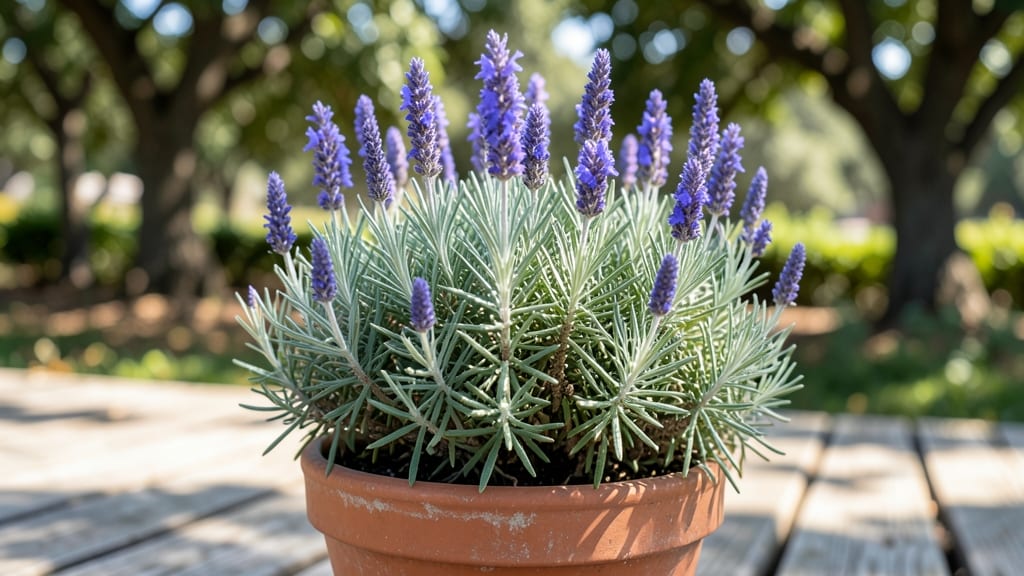
Growing Blue Spire rosemary in containers turns your patio into a fragrant, low-maintenance oasis. 🌿 This upright variety thrives in small spaces, offering both culinary and ornamental value with its striking blue-green foliage and delicate flowers. The key is mimicking its Mediterranean roots—bright light, fast-draining soil, and minimal fuss.
Start with a 5-gallon container and well-draining potting mix blended with perlite or sand. Place it where it gets at least 6 hours of sun daily, and water only when the top inch of soil feels dry.
Overwatering is the fastest way to kill this drought-tolerant herb—let it go slightly thirsty between drinks. Prune lightly after flowering to encourage bushier growth, and harvest stems anytime for cooking. The aroma alone makes it worth growing, but the neat, airy habit also makes it a standout container plant.
Pair it with lavender or thyme for a Mediterranean-themed display that stays vibrant all season. Once established, propagation is simple: snip 3-4 inch cuttings, let them callus for a day, then root in moist sand.
This herb is so resilient that even a black thumb can keep it thriving—just avoid soggy soil, and you’ll enjoy fresh rosemary for years.
📚 In This Guide
- What you need
- Instructions
- Tips and common mistakes
- Wrapping up and next steps
What you need
- ● Blue Spire Rosemary Plant: 1 healthy nursery-grown plant (6–12 inches tall) or a 4-inch pot starter.
- ● Container: 1 well-draining pot (12–18 inches in diameter) with drainage holes. Terracotta or fabric pots work best!
- ● Potting Mix: 3–5 gallons of a well-draining cactus/succulent mix (or DIY: 60% potting soil + 40% perlite/pumice).
- ○ Gravel or Pebbles: 1–2 inches for the pot’s bottom layer (optional but recommended for extra drainage).
- ● Pruning Shears: Small, sharp pair for trimming (sterilize with rubbing alcohol!).
- ● Watering Can: With a narrow spout for precise watering.
- ● Sunlight Access: A south- or west-facing window, grow light, or outdoor spot with 6+ hours of direct sunlight daily.
- ● Slow-Release Fertilizer: 1–2 tbsp of balanced (10-10-10) granules mixed into the soil for a nutrient boost.
- ● Mulch: Coarse sand or gravel to top the soil and reduce moisture loss.
- ● Humidity Tray: If your home is dry, a pebble tray with water can help (just keep leaves dry!).
- ● Container Saucer: To catch runoff and protect surfaces.
How to grow Blue Spire rosemary in containers
This drought-tolerant variety thrives in pots—here’s how to coax its signature blue-green spikes into your garden.
🪴 Step 1: Choose the Right Container and Soil Mix
Select a pot with drainage holes—at least 12 inches deep for each plant, since rosemary has a long taproot. I use terra cotta because it breathes and prevents root rot, but any unglazed ceramic or plastic with holes works. Fill the bottom 2 inches with gravel or coarse sand to improve drainage.
Use a well-draining potting mix—never garden soil. I blend 50% premium potting mix with 50% perlite or coarse sand to mimic rosemary’s Mediterranean native soil. Moisten the mix until it’s damp but not soggy, like a wrung-out sponge. This prevents waterlogged roots, which Blue Spire rosemary hates.
☀️ Step 2: Plant and Position for Maximum Sunlight
Dig a hole twice as wide as the rosemary’s root ball but no deeper. Gently remove the plant from its nursery pot and loosen any circling roots with your fingers. Place it in the hole so the top of the root ball sits ½ inch below the pot’s rim—this prevents soil from washing away when you water.
Rosemary craves full sun (6+ hours daily). Place your pots in the sunnest spot—south or west-facing is ideal. If you’re in a shadier climate, a south-facing window with a grow light keeps it happy. You’ll see leggy growth if light is insufficient—watch for stems stretching toward the sun with sparse foliage.
💧 Step 3: Water Deeply but Infrequently
Water only when the top 2 inches of soil feel dry—this herb is notoriously drought-tolerant. I use a watering can with a narrow spout to soak the soil until water runs out the drainage holes. After that, let it dry completely before watering again. Overwatering causes root rot, and you’ll know it’s time when the soil pulls away from the pot’s edges.
Reduce watering in winter—Blue Spire rosemary enters dormancy and needs far less moisture. A light misting every 2-3 weeks keeps it alive without encouraging mold. Yellowing leaves? That’s usually a sign of overwatering, not thirst.
✂️ Step 4: Prune for Bushier Growth and Fragrant Harvests
Trim back 1/3 of the plant’s height in early spring to encourage bushier growth. Use clean, sharp bypass pruners to cut just above a leaf node—this is where new growth emerges. Avoid cutting into woody stems, as rosemary doesn’t regrow from old wood. You’ll see fresh, vibrant blue-green shoots within 2-3 weeks of pruning.
Harvest leaves anytime by snipping stems just above a set of leaves. This encourages branching and keeps the plant compact. Dry the sprigs in a warm, dark place for 1-2 weeks, then strip the leaves for culinary use. Regular harvesting actually makes your rosemary bushier—it’s counterintuitive but true!
🌿 Step 5: Fertilize Lightly for Long-Term Health
Feed once in early spring with a balanced, water-soluble fertilizer (like 10-10-10) diluted to half strength. Rosemary doesn’t need much—too much fertilizer burns its roots. I skip fertilizer in summer and fall, as the plant prefers lean soil. Over-fertilized rosemary grows fast but loses its aromatic punch.
Check for white powdery spots on leaves—this is powdery mildew, often caused by crowded pots or overhead watering. If you see it, prune affected branches immediately and avoid watering the foliage. A homemade spray of 1 part milk to 9 parts water (applied weekly) prevents it naturally.
Tips & tricks for growing Blue Spire rosemary in containers
Here's what nobody tells you about keeping your Blue Spire rosemary thriving in pots—these tricks make all the difference.
Container Depth Matters: That 12-inch minimum depth isn't just a suggestion—it's non-negotiable for Blue Spire's long taproot. I've seen many gardeners use shallower pots and wonder why their rosemary looks stunted. The extra depth gives roots room to establish properly, which translates to stronger growth and better fragrance. If you're working with limited space, choose a slightly wider pot instead of deeper—rosemary prefers horizontal root spread over vertical.
Soil Mix Secrets: The 50/50 blend of premium potting mix and perlite/sand isn't arbitrary—it mimics the Mediterranean soil rosemary evolved in. I've found that adding a handful of coarse horticultural charcoal to the mix helps prevent fungal issues while maintaining that perfect drainage. This small addition has kept my plants healthier through multiple growing seasons without any chemical treatments.
Light Positioning Hacks: For those without perfect south-facing spots, I've had success with a clever two-pot rotation system. Place one pot in the sunniest location you have, and keep a second identical pot nearby. Rotate them weekly so all sides get equal light exposure. This prevents the plant from growing lopsided toward the sun and creates more uniform bushiness. The key is consistency—Blue Spire rosemary will always lean toward its light source if given the chance.
Pruning Precision: When trimming that 1/3 of the plant's height in early spring, focus on cutting just above leaf nodes where new growth emerges. I use a small magnifying glass to identify these nodes more easily—it's amazing how much difference this makes in the plant's recovery. And here's a pro move: after your initial pruning, make a second pass through the plant to remove any dead or yellowing leaves. This might seem counterintuitive since you're removing foliage, but it actually stimulates new growth and prevents disease from spreading through the plant.
Pro Tips for Blue Spire Rosemary
- Here's what nobody tells you about keeping your Blue Spire rosemary thriving in pots—these tricks make all the difference.
- Container Depth Matters: That 12-inch minimum depth isn't just a suggestion—it's non-negotiable for Blue Spire's long taproot.
- Soil Mix Secrets: The 50/50 blend of premium potting mix and perlite/sand isn't arbitrary—it mimics the Mediterranean soil rosemary evolved in.
Frequently asked questions
Got questions about growing Blue Spire Rosemary in containers?
You’re not alone! Here are answers to the most common queries—from pruning to pests and everything in between.
How fast does Blue Spire Rosemary grow in containers?
Blue Spire Rosemary is a moderate grower, typically adding 6–12 inches per year when given full sun and well-draining soil. In containers, growth may slow slightly due to root restriction, but it stays compact and bushy. Prune lightly in spring to encourage denser foliage and prevent legginess.
When is the best time to harvest Blue Spire Rosemary?
Harvest anytime the plant is actively growing, but late spring to early summer yields the most flavorful leaves. Snip sprigs just above a leaf node with clean scissors, leaving at least half the plant intact to keep it thriving. Avoid heavy harvesting in winter—this herb goes semi-dormant!
What pests should I watch for with container-grown Blue Spire Rosemary?
Watch for aphids, spider mites, and whiteflies, which love stressed rosemary. If you spot tiny webs or sticky residue, blast pests off with water or use neem oil (diluted per label). Ensure good airflow and avoid overwatering to deter infestations. Prevention is key!
Can I overwinter Blue Spire Rosemary in a pot?
Yes! Move your container indoors near a sunny window or under grow lights when temps drop below 20°F (-7°C). Reduce watering—let soil dry completely between drinks—and trim back leggy growth. If space is tight, prune aggressively in early spring to refresh the plant.
What’s a good alternative if Blue Spire Rosemary struggles in my climate?
If your area has humid summers or freezing winters, try Prostratus Rosemary (spreading type) or Arp Rosemary (hardy to zone 5). For containers, Lavender or Thyme are also drought-tolerant and fragrant. Just ensure your soil drains well—these herbs hate soggy roots!
Wrapping up and next steps
Growing Blue Spire Rosemary in containers is a rewarding journey that brings fragrant beauty to your space—no sprawling garden required! 🌿 With the right soil, sunlight, and a little TLC, this airy herb thrives while adding a pop of color and a burst of flavor to your kitchen.
Whether you're a seasoned gardener or a beginner, its low-maintenance charm makes it a perfect project to dive into.
Ready to elevate your herb game? Start small: pick a sunny spot, grab a pot, and let your Blue Spire Rosemary become the star of your balcony, windowsill, or patio. Happy gardening—and soon, you’ll be harvesting fresh sprigs for cooking or gifting! 🌱✨