
Diseases
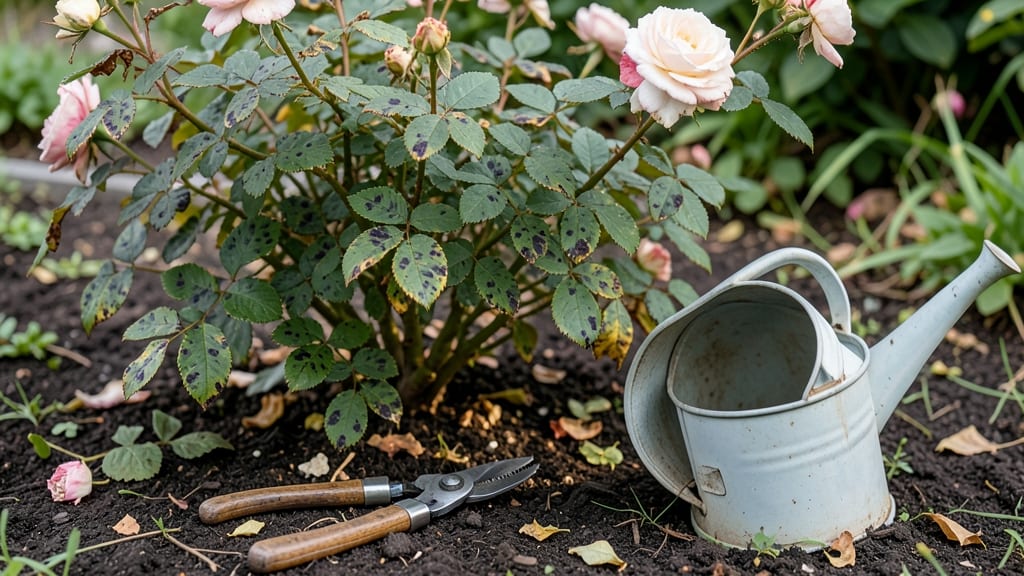
Black spot in roses turns lush foliage into a sad, spotted mess faster than you'd think. 🌿 I’ve watched my prized roses go from vibrant green to skeletal frames in just a few weeks—until I learned the right mix of copper spray and organic fixes to stop it in its tracks.
The fungus thrives in damp, shady spots where air can’t circulate, so spacing plants properly and pruning for airflow makes all the difference. You’ll spot the classic dark spots with yellow halos, and if you act fast, you can save your bushes before they lose every leaf.
With the right treatment—copper fungicide, neem oil, or baking soda spray—you’ll see new growth pushing through within 2-3 weeks. The key is consistency: treat early, treat often, and keep those leaves dry. Works for hybrid teas, floribundas, and even wild roses.
Let’s get your roses back to their best before the next rain.
Root Causes Of Rose Fungal Spots
Black spot disease in roses isn’t just an aesthetic nuisance—it’s a fungal infection caused by Diplocarpon rosae (formerly Marssonina rosae), a pathogen that thrives in warm, humid conditions.
Understanding why it strikes helps you prevent it before it ruins your garden. Below, we break down the key factors that turn your roses into a fungal buffet.
The fungus Diplocarpon rosae loves moisture—think of it as a water-loving vampire. When roses stay damp for prolonged periods (like from rain, overhead watering, or poor airflow), the fungal spores germinate and spread like wildfire. Here’s why it’s a problem:
- Spores need water to activate: Fungal spores land on leaves but remain dormant until moisture triggers them. A single night of heavy dew or frequent misting can kickstart an outbreak.
- Poor drainage worsens it: If your garden retains water (e.g., compacted soil or low-lying areas), roots and foliage stay soggy, creating the perfect breeding ground.
- Morning dew is a double-edged sword: While dew itself isn’t harmful, if it lingers until late morning or evening, it extends the window for fungal growth.
💡 Pro Tip: Water roses early in the day (before 10 AM) so leaves dry by sunset. Use drip irrigation or soaker hoses to avoid wetting foliage.
Roses packed too closely together create a cozy, humid microclimate—ideal for fungal spores. Stagnant air traps moisture and prevents leaves from drying quickly after rain or watering. Here’s the science:
- Fungal spores spread via wind and water splashes: In tight spaces, spores hitchhike from plant to plant, infecting new leaves faster.
- Slow-drying leaves = longer infection windows: When airflow is restricted, even light rain can keep leaves damp for hours, giving the fungus time to colonize.
- Shady or dense plantings trap humidity: While roses need some shade, too much (especially with high humidity) creates a greenhouse effect.
🌿 Actionable Fix: Space roses 3–4 feet apart and prune surrounding plants to improve airflow. Avoid planting near fences or walls that block breezes.
Stressed roses are like open invitations to fungal invaders. When roses struggle—whether from nutrient deficiencies, pests, or environmental shocks—their natural defenses weaken. Key stressors include:
- Nutrient deficiencies (especially nitrogen or magnesium): Yellowing leaves (chlorosis) signal poor health, making roses more susceptible to infections.
- Pest damage (e.g., aphids, spider mites): Pests create wounds that give fungal spores entry points. Plus, their honeydew attracts sooty mold, which blocks sunlight and stresses the plant.
- Sudden temperature swings or drought: Roses that experience extreme heat or cold followed by rapid watering are shocked and vulnerable.
💪 Boost Defenses: Feed roses with a balanced fertilizer (10-10-10) in spring and use compost to improve soil health. Monitor for pests and treat them early with neem oil or insecticidal soap.
Black spot thrives on old, dense foliage because:
- Lower leaves stay damp longer: In thick canopies, sunlight can’t reach the bottom, keeping leaves shaded and moist.
- Debris harbors spores: Fallen leaves and petals create a reservoir for Diplocarpon rosae to overwinter and reinfect next season.
- Pruning opens the plant to light and air: Regularly removing old leaves (especially in fall) reduces hiding spots for spores.
🗑️ Clean-Up Routine: Rake up and dispose of (don’t compost!) fallen leaves and debris. Prune roses in early spring to remove dead wood and crowded branches.
The fungus Diplocarpon rosae is most aggressive in temperatures between 60–80°F (15–27°C) with high humidity. Here’s why:
- Optimal spore germination: Spores germinate fastest in warm, wet conditions, leading to rapid leaf infections.
- Fungal growth accelerates: Mycelium (the fungus’s thread-like network) spreads 2–3 times faster in heat and humidity.
- Drought followed by rain is deadly: A dry spell weakens roses, then sudden rain creates the perfect storm for spores.
🌡️ Climate Hack: If your area has predictable humid seasons, schedule preventive fungicide sprays (like copper or neem oil) before warm, rainy periods.
Quick Fixes for Rose Leaf Spots
Black spots on rose leaves don’t have to mean the end of your garden’s beauty—with the right approach, you can restore your roses to their vibrant best. The key is acting fast and addressing the root cause (literally!).
Below are targeted solutions for the most common culprits behind those unsightly blemishes, from fungal infections to environmental stressors. Pair these fixes with prevention tips to keep your roses thriving long-term.
If black spots are spreading rapidly and leaves turn yellow or drop prematurely, a fungal infection like Diplocarpon rosae (black spot) is likely the culprit. Copper-based sprays are a gardeners’ secret weapon for stopping fungal growth in its tracks.
👨🍳 Step-by-Step Treatment
- Choose Your Spray
- Copper fungicide (e.g., copper sulfate or copper hydroxide) – kills fungi on contact.
- Neem oil spray (organic option) – disrupts fungal spores and adds a protective layer.
- Baking soda mix (DIY): 1 tsp baking soda + 1 quart water + a few drops of dish soap (spray on dry leaves).
- Apply at the Right Time
- Spray early morning or late evening to avoid burning leaves in direct sunlight.
- Focus on undersides of leaves (where spores hide) and stems.
- Reapply every 7–14 days or after rain (fungi love moisture!).
- Remove Infected Debris
- Prune all infected leaves and stems with sterilized shears (wipe with rubbing alcohol between cuts).
- Dispose of clippings in the trash (not compost)—fungi can survive in compost piles.
💡 Prevention Tips
- Space plants properly (3–4 feet apart) for airflow—fungi thrive in damp, crowded conditions.
- Water at the base (avoid overhead sprinkling) to keep leaves dry.
- Mulch around roses with gravel or straw (not wood chips) to reduce humidity near foliage.
Not all black spots are fungal! Overwatering, poor drainage, or nutrient deficiencies can create stress spots that mimic disease. Adjusting your rose care can clear up the issue without chemicals.
🌡️ Fixing Water & Soil Issues
- Check Your Watering Habits
- Problem: Overwatering or soggy soil leads to weak leaves prone to blemishes.
- Fix: Water deeply but infrequently (1–1.5 inches per week). Let the top inch of soil dry out between waterings.
- Pro Tip: Use a moisture meter or stick your finger in the soil to test—if it’s damp, wait!
- Improve Drainage
- Problem: Compacted or clay-heavy soil traps moisture, inviting fungal growth.
- Fix:
- Amend soil with compost or perlite to loosen texture.
- Plant roses in raised beds if your yard has poor drainage.
- Boost Nutrients
- Problem: Yellowing leaves with black spots may signal nitrogen or magnesium deficiency.
- Fix:
- Fertilize with a balanced rose fertilizer (10-10-10) in spring.
- Epsom salt soak (1 tbsp per gallon of water) for magnesium deficiency (spray leaves or water soil monthly).
✨ Quick Recovery Steps
- Prune for airflow: Thin out crowded canes to improve circulation.
- Avoid late-season fertilization: Too much nitrogen in fall encourages tender new growth that’s vulnerable to disease.
Tiny pests like spider mites or thrips can create black speckles or stippling on leaves, often mistaken for fungal spots. These critters thrive in dry, dusty conditions.
🕷️ How to Get Rid of Pests
- Inspect for Webbing or Tiny Spots
- Hold a leaf up to light—do you see tiny moving dots or fine webbing? That’s your clue!
- Blast Them Off
- Strong spray of water (early morning) dislodges mites and thrips.
- Insecticidal soap (spray undersides of leaves) or neem oil (systemic effect).
- Encourage Natural Predators
- Ladybugs and lacewings eat spider mites—buy or attract them with dill or fennel plants nearby.
🎯 Prevention Tips
- Mist leaves occasionally (pests hate humidity).
- Use reflective mulch (like aluminum foil) to deter thrips.
- Avoid broad-spectrum pesticides—they kill beneficial insects too!
Stay one step ahead with this simple schedule to keep black spots at bay:
| Season | Task | Why It Works |
|---|---|---|
| Spring | Prune dead wood + apply copper fungicide | Removes overwintering spores and strengthens new growth. |
| Summer | Monitor for spots; water at soil level | Prevents fungal outbreaks during peak growth. |
| Fall | Clean up fallen leaves + mulch with gravel | Eliminates fungal spores and reduces winter moisture. |
| Winter | Protect roses with burlap (in cold climates) | Prevents freeze-thaw cycles that stress plants. |
With these fixes, your roses will bounce back faster than you think. The key is consistency—treat the problem early, adjust your care routine, and soon you’ll be admiring lush, spot-free blooms again! 🌹
Frequently asked questions
Why do some rose varieties get black spot more often than others?
Hybrid teas and floribundas are particularly susceptible because their dense foliage traps moisture. Disease-resistant varieties like 'Knock Out' roses or 'Dr. Huey' have natural genetic defenses against Diplocarpon rosae. Always check plant tags for resistance ratings when selecting new roses.
Can I still harvest roses with black spot for bouquets?
Yes, but only from healthy stems! Cut flowers from the top of the plant where leaves show no signs of infection. Remove any spotted leaves before arranging to prevent spreading spores to your home. The disease won't transfer to cut flowers if you handle them carefully.
How long does it take to see improvement after treating black spot?
With consistent treatment (fungicide + pruning), you should see new growth emerge within 2-3 weeks. Existing infected leaves won't recover, but removing them stops the spread. For severe cases, expect full recovery by late summer if you maintain treatments.
Will black spot kill my rose bushes completely?
Not usually! While it can defoliate plants, healthy roses often regrow from the base. The key is early intervention. If you notice 50%+ leaf loss, act immediately with copper fungicide and proper pruning to save your bushes.
Can I use the same fungicide spray on other plants?
Most copper-based sprays are safe for many plants, but always check labels. Neem oil is particularly versatile for vegetables, fruits, and ornamentals. However, avoid using chemical fungicides on edible plants right before harvest - follow label instructions for safe intervals.