
Tools
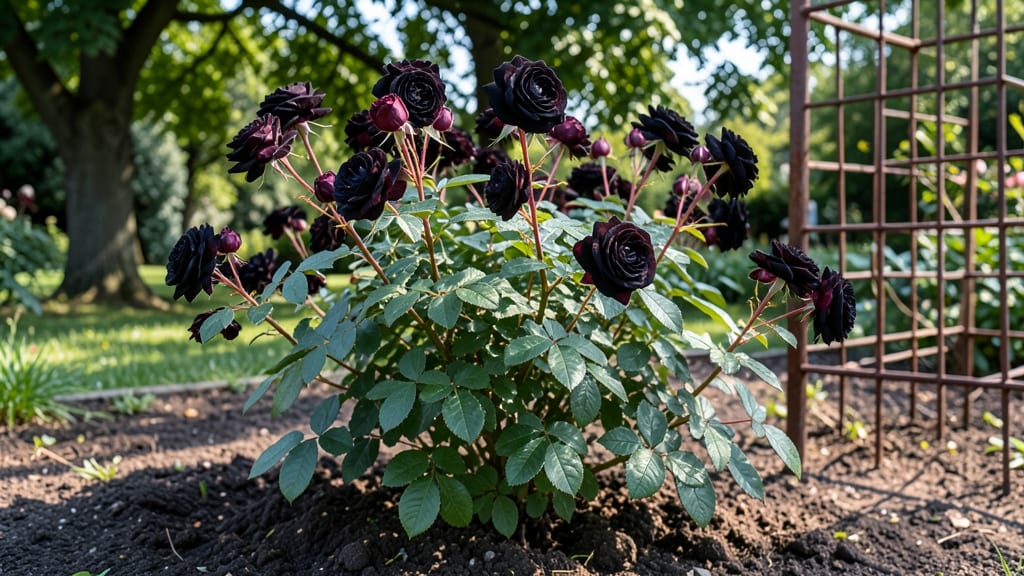
Creating a black roses garden transforms your yard into a moody, timeless masterpiece. 🌿 These velvety blooms demand attention—not just for their dramatic color but for the way they turn any space into a romantic retreat.
The secret lies in pairing them with the right companions, lighting, and soil to keep them thriving year-round.
Start with rich, well-draining soil—black roses crave nutrients but hate soggy roots. Add mulch to retain moisture and suppress weeds, then surround them with silver foliage like lamb’s ear or deep purples like heuchera.
A string of solar-powered fairy lights woven through the branches adds magic at dusk, making your garden feel like a secret garden from a gothic novel.
By summer’s end, your black roses will be the star, their glossy petals contrasting against lush greens and purples. The scent? A heady mix of spice and earthiness that lingers long after the blooms fade. This isn’t just a garden—it’s a statement, a place where drama and beauty collide.
Works in formal knot gardens, wild cottage-style beds, or even as a dramatic focal point along a dark pathway. The key is balance: bold colors, soft textures, and just enough lighting to make your garden feel alive even after sunset.
📚 In This Guide
- What you need
- Instructions
- Tips and common mistakes
- Wrapping up and next steps
What you need
- ● Black roses: 3–5 mature plants (choose disease-resistant varieties like 'Black Baccara' or 'Black Magic' for best results).
- ● High-quality potting soil: 10–15 bags (well-draining, rich in organic matter).
- ● Compost or aged manure: 2–3 bags (to boost soil fertility).
- ● Slow-release fertilizer: 1 bag (balanced 10-10-10 or rose-specific formula).
- ● Mulch: 2–3 bags (dark bark or pine straw to retain moisture and enhance drama).
- ● Garden stakes or trellis: 5–10 stakes (6–8 ft tall for climbing varieties).
- ● Pruning shears: 1 pair (sharp, bypass-style for clean cuts).
- ● Rose food (organic or synthetic): 1 bottle (for seasonal feeding).
- ● Garden gloves: 1 pair (heavy-duty, cut-resistant).
- ● Trowel or spade: 1 (for digging and transplanting).
- ● Watering can or hose with spray nozzle: 1 (for gentle hydration).
- ● Measuring tape: 1 (to space plants 2–3 ft apart).
- ○ Garden kneeler/pad (optional): 1 (for comfort during planting).
- ○ Black or dark-colored containers (optional): 3–5 (for potted displays).
- ● ✨ Sunlight: Ensure your garden gets 6+ hours of direct sun daily—black roses thrive in full sun!
- ● 💡 Soil pH: Test and amend soil to 6.0–6.5 (slightly acidic).
- ● 🌡️ Climate: Black roses love USDA Zones 5–10; use cold frames in cooler regions.
- ● 🎯 Design tip: Pair with purple, deep red, or silver foliage (e.g., 'Purple Smoke' bush' or 'Silver Mist' heuchera) for a gothic vibe!
How to create a striking black roses garden
Here’s how to craft a moody, dramatic garden featuring black roses—dark, bold, and full of year-round intrigue.
🌱 Step 1: Choose the Right Black Rose Varieties
Not all roses are truly black, but deep burgundy, maroon, or near-black varieties like 'Black Baccara,' 'Black Magic,' or 'Queen Elizabeth' deliver the dramatic effect you want. These hybrids thrive in full sun and tolerate cooler climates better than lighter roses. I always opt for grafted plants from reputable nurseries—they’re stronger and more consistent.
Pick 4-6 plants for a balanced look, spacing them 3-4 feet apart to allow airflow and prevent disease. Black roses need room to grow, so avoid crowding them with other plants. If your garden gets harsh winds, plant them near a fence or trellis for support—this also adds vertical drama to your design.
☀️ Step 2: Plant in Full Sun with Rich, Well-Draining Soil
Black roses demand at least 6 hours of direct sunlight daily—no compromise here. If your garden has partial shade, choose a spot where they’ll get morning sun and afternoon light. Amend your soil with 3-4 inches of compost and a handful of slow-release rose fertilizer before planting to give them a nutrient boost.
Dig a hole twice as wide as the root ball but no deeper—planting too deep suffocates the roots. Gently loosen the roots if they’re circling, then place the plant so the graft union sits 2 inches above soil level. Backfill with native soil, tamp lightly, and water deeply to settle everything.
💧 Step 3: Water Deeply and Mulch for Year-Round Health
Black roses hate soggy roots, so water once a week (or more in extreme heat) until the soil is 6 inches deep and moist. Check with your finger—if the top inch feels dry, it’s time to water. Mulch with 2-3 inches of organic mulch (like shredded bark) to retain moisture, regulate soil temperature, and suppress weeds.
Here’s the thing—black roses are high-maintenance divas. They’ll wilt dramatically if thirsty, so don’t skip watering during blooming season. A drip irrigation system keeps moisture consistent and prevents fungal issues. Fertilize every 6-8 weeks with a balanced rose food to keep blooms rich and dark.
✂️ Step 4: Prune for Shape and Encourage Dramatic Blooms
Prune in early spring before new growth appears, cutting back one-third of the plant to shape it and remove dead wood. Black roses bloom on new wood, so prune just above an outward-facing bud. I always sanitize my pruners with rubbing alcohol to prevent disease spread—this is non-negotiable for roses.
Deadhead spent blooms regularly to encourage more flowers. If a stem looks diseased (black spots, mold), prune it immediately and dispose of it in the trash—not the compost. Black roses are prone to black spot fungus, so avoid overhead watering and space plants for airflow.
🌿 Step 5: Pair with Dark Foliage and Moody Accents
To amplify the drama, plant black roses alongside purple smoke bush, black mondo grass, or deep purple heuchera for a cohesive, high-contrast look. Add ebony stone or black gravel as mulch for extra visual punch. I also include silver foliage plants like lamb’s ear or dusty miller to make the roses pop against lighter backgrounds.
Lighting matters too—install solar-powered path lights or spotlights to highlight the roses at night. The contrast of dark petals against glowing lights creates a magical, romantic atmosphere. If your garden gets chilly winters, wrap young plants in burlap to protect them from frost damage.
Tips & tricks for a stunning black roses garden
These insider tricks will help you create a garden that's as dramatic as it is effortlessly beautiful—without the common pitfalls that ruin so many rose gardens.
Variety Matters: Those 4-6 plants you're spacing 3-4 feet apart? Mix at least two varieties for continuous blooms. 'Black Baccara' thrives in cooler climates, while 'Queen Elizabeth' handles heat better. I plant them in alternating positions so when one variety's blooming slows, another takes over. This creates a year-round show instead of a seasonal one.
Sunlight Strategy: The 6 hours of direct sunlight requirement is non-negotiable, but here's the secret: position your black roses to catch morning sun and afternoon light if your garden has partial shade. East-facing spots work perfectly—they get gentle morning rays without the harsh afternoon heat that can scorch dark petals. I've seen gardens fail because they planted in west-facing spots where afternoon sun bleaches the deep colors.
Planting Depth: That 2 inches above soil level for the graft union? This is critical for disease prevention. If planted too deep, the graft can rot from moisture. Mark the graft union with a waterproof marker before planting—it's the spot where the plant's top meets the rootstock. I also add a handful of slow-release rose fertilizer directly to the planting hole to give roots an instant nutrient boost.
Pruning Precision: When you're cutting back one-third of the plant in early spring, make your cuts at a 45-degree angle just above an outward-facing bud. This encourages bushier growth and more blooms. I always sterilize my pruners with rubbing alcohol between cuts—this simple step prevents black spot fungus, which can turn your dramatic roses into a sad, spotted mess.
Pro Tips for Black Roses Garden
- These insider tricks will help you create a garden that's as dramatic as it is effortlessly beautiful—without the common pitfalls that ruin so many rose gardens.
- Variety Matters: Those 4-6 plants you're spacing 3-4 feet apart?
- Sunlight Strategy: The 6 hours of direct sunlight requirement is non-negotiable, but here's the secret: position your black roses to catch morning sun and afternoon light if your garden has partial shade.
Frequently asked questions
Why do black roses actually look dark red or maroon?
True black roses don’t exist—it’s all about optical illusion! The deep, velvety petals (like ‘Black Baccara’ or ‘Black Magic’) absorb most light, making them appear nearly black in shade. For the darkest effect, plant them in partial shade or near contrasting foliage (like silver or deep green leaves).
When is the best time to plant black roses?
Spring (after the last frost) or early fall is ideal for planting. Avoid extreme heat—roots need time to establish before summer’s intensity. If you’re in a mild climate, fall planting gives roots a head start for next year’s blooms. Pro tip: Soak roots in water for 1–2 hours before planting to reduce transplant shock!
Can I grow black roses in containers?
Use a large pot (at least 18 inches wide) with well-draining soil and a mix of compost for nutrients. Choose dwarf varieties like ‘Black Pearl’ or ‘Little Princess’ for smaller spaces. Just remember: Containers dry out faster, so water deeply 2–3 times a week (more in summer). Bonus: Move pots to a sunny spot in winter for extra light!
What pests or diseases should I watch for with black roses?
Black roses are prone to black spot fungus (those ugly dark spots on leaves) and aphids. Prevent issues by:
- Spraying leaves with neem oil weekly (prevents fungal growth).
- Removing fallen petals/debris to reduce humidity.
- Introducing ladybugs or lacewings to combat aphids naturally.
If you spot yellowing leaves, prune affected areas immediately and treat with a fungicide.
How can I make my black roses stand out in a garden?
Pair them with high-contrast plants for a moody, cinematic look:
- Light foliage: Silver dusty miller or variegated hostas.
- Deep greens: Black mondo grass or heuchera.
- Pops of color: White hydrangeas or purple clematis.
Add mulch (like dark bark) to enhance the drama and keep weeds away. Pro tip: Plant near a dark fence or trellis to amplify the “black” effect!
Wrapping up and next steps
A black roses garden isn’t just a stunning visual—it’s a bold statement of elegance and mystery that thrives year-round. Whether you’re drawn to their dramatic flair or their low-maintenance charm, these dark beauties bring a touch of gothic romance to any space.
With the right soil, sunlight, and care, you’re well on your way to cultivating a showstopping garden that turns heads and sparks conversations.
Ready to dive in? Start small—plant a few black roses in a pot or a corner of your yard and watch your garden transform. Need inspiration? Browse garden design ideas or join a local gardening community for tips and encouragement. Your dark romance garden awaits! 🌹✨