
Flowers
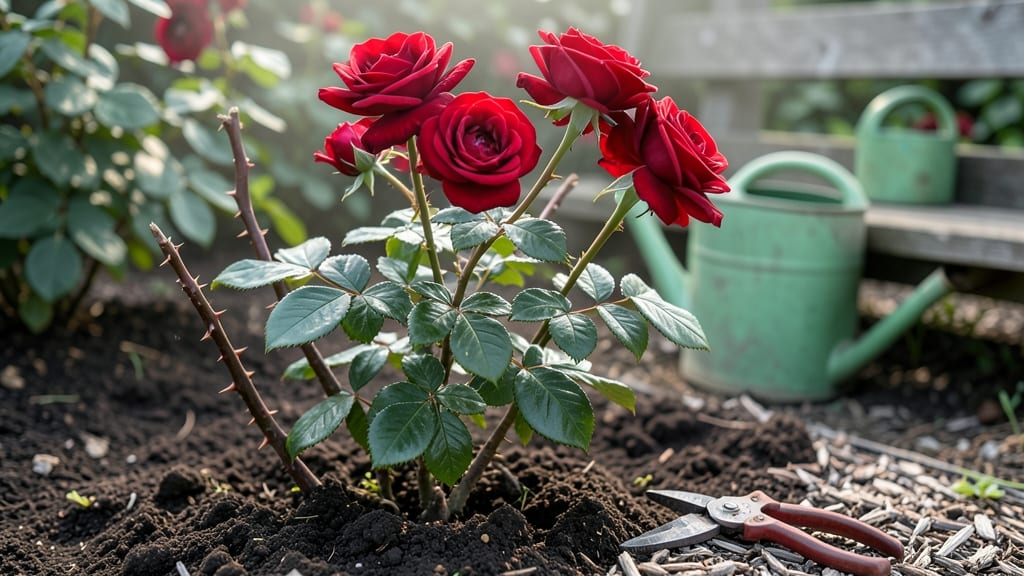
These beautiful flowers—red roses—scream drama, romance, and pure garden confidence, the perfect statement blooms to transform any space from ordinary to unforgettable. 🌹 I used to think they needed a formal garden to shine, but these bold beauties thrive in borders. containers, and even cottage-style beds when paired right.
The secret lies in contrast: deep burgundy roses against silver foliage, or classic red roses with creamy white peonies create instant visual pop. For containers, mix them with trailing ivy or dusty miller for height and texture.
In borders, plant them alongside lavender or salvia to extend the blooming season and keep pests at bay. You'll end up with a garden that feels like a curated masterpiece—not just a collection of plants. The fragrance alone makes every stroll through your yard feel like a celebration.
And the best part? Red roses adapt to sun or partial shade, so they work almost anywhere. Start small with a single container or go bold with a dedicated rose border. Either way, these blooms will be the star of the show—season after season.
📚 In This Guide
- What you need
- Instructions
- Tips and common mistakes
- Wrapping up and next steps
What you need
- ● Red rose bushes: Choose disease-resistant varieties like Knock Out® Roses or classic Hybrid Teas (3–5 plants for a vibrant display).
- ● High-quality potting soil: 10–15 gallons (mix with compost for nutrients).
- ● Well-draining pots or garden bed: At least 12–18 inches deep (or a raised bed if planting in-ground).
- ● Organic fertilizer: Balanced 10-10-10 or rose-specific formula (follow package instructions).
- ● Mulch: 2–3 inches of shredded bark or wood chips to retain moisture.
- ● Pruning shears: Sharp, clean pair (sterilize with rubbing alcohol).
- ● Watering can or hose with adjustable nozzle: For gentle, deep watering.
- ● Gloves: Heavy-duty to protect from thorns.
- ● Rose food: Liquid or granular for extra blooms (e.g., Miracle-Gro® Roses).
- ● Epsom salt: 1 tablespoon per plant monthly for magnesium boost.
- ● Pest control: Neem oil or insecticidal soap (for aphids/beetles).
- ● Trellis or stakes: For climbing varieties (6–8 feet tall).
- ● Drip irrigation system: For automated, consistent watering.
Step-by-step guide to planting and caring for stunning red roses
Here's how to plant bold red roses that'll be the star of your garden all season long.
🌱 Step 1: Choose the Perfect Planting Spot
Red roses thrive in full sun—at least 6-8 hours daily. Scan your yard for the sunniest location and avoid spots where afternoon shade lingers. I always test a potential spot for a week first by placing a white plate where the rose will go. If the plate stays dry by mid-afternoon, it's perfect.
Check soil drainage by digging a 12-inch hole and filling it with water. If it drains within 2 hours, your soil is good. If water remains after 4 hours, amend with 2-3 inches of compost or plant in a raised bed. Roses hate soggy roots, and this simple test saves you from future problems.
🪴 Step 2: Prepare the Soil and Plant
Loosen the soil in a 2-foot diameter circle around the planting hole to encourage root spread. Mix in 3-4 inches of organic matter like compost or aged manure—this improves drainage and feeds roots as they establish. Avoid fresh manure, which can burn tender roots.
Dig the hole twice as wide as the rose's root ball but only 1-2 inches deeper. Gently remove the rose from its container and loosen any circling roots with your fingers. Place it in the hole so the graft union (a slight bump near the base) sits 2-3 inches above soil level. This prevents soil-borne diseases from reaching the disease-resistant top portion.
💧 Step 3: Water and Mulch for Strong Growth
Fill the hole with water and let it drain completely. Then, backfill with soil while gently pressing down to remove air pockets. Water deeply again until the soil settles. I like to add a 2-inch layer of mulch (like wood chips or straw) around the base, keeping it 3 inches away from the stem to prevent rot.
Water every other day for 2 weeks to help roots establish. You'll know you're doing it right when the soil stays moist but not soggy. After that, water 1-2 times per week, giving each plant 1 gallon per foot of height. Deep, infrequent watering encourages strong root growth—light sprinkles just keep the top layer damp.
☀️ Step 4: Provide Ongoing Care for Bold Blooms
Fertilize roses every 4-6 weeks during growing season with a balanced rose fertilizer. I use a slow-release granular formula for convenience, but liquid feeds work too. Apply fertilizer when the soil is moist to prevent root burn. Stop fertilizing by late summer to encourage hardy growth before winter.
Deadhead spent blooms by snipping stems back to the first healthy leaf with 5 sets of leaves below it. This redirects energy to new growth and keeps your roses bushy. Prune lightly in early spring to shape the plant and remove dead wood. Avoid heavy pruning now—wait until after the last frost when new growth begins.
✂️ Step 5: Protect and Prepare for Winter
When temperatures drop below 20°F, mound 12 inches of soil or mulch around the base of each rose. This insulates roots from freezing. I also wrap the canes loosely with burlap or rose cones to protect them from harsh winds. Don't worry about smothering the plant—roses are tough and bounce back beautifully in spring.
In late winter, just before buds swell, remove the winter protection. Prune out any dead or damaged canes and rake away old mulch. Water lightly if the ground isn't naturally moist. Your roses will reward you with vibrant new growth and those stunning red blooms you planted for within weeks.
Tips & tricks for perfect red rose planting
These simple tricks will help your red roses thrive and bloom beautifully for years to come.
Sunlight Secret: If you're testing spots with the white plate trick, do it in late afternoon when the sun is strongest. I've seen people place plates in morning sun only to discover hidden afternoon shade later. The goal is to ensure those crucial 6-8 hours of full sun—no compromises! Remember, roses will grow in partial shade, but their vibrant red color will fade to pale pink.
The Drainage Test: When doing your 2-hour drainage test, use a clear container so you can see the water level drop. If water disappears quickly but leaves a damp spot, your soil drains too fast—add 2-3 inches of compost to improve moisture retention. The key is that water should drain but not pool. For heavy clay soils, consider planting in raised beds to prevent root rot.
Root Care: When loosening circling roots in Step 2, don't be afraid to get rough—these roots need to spread outward, not stay compacted. I like to use a garden fork to gently pry them apart. Also, make sure the graft union stays 2-3 inches above soil level—this is critical for disease resistance. If it's buried, the plant will revert to weaker rootstock varieties.
Watering Wisdom: During those first 2 weeks of every-other-day watering, use a rain gauge or tuna can to measure exactly 1 gallon per foot of plant height. Overwatering is just as bad as underwatering—your soil should feel like a wrung-out sponge, not a soggy washcloth. A soaker hose works perfectly for this deep watering method without wetting the foliage.
Pro Tips for Beautiful Flowers Red Roses
- These simple tricks will help your red roses thrive and bloom beautifully for years to come.
- Sunlight Secret: If you're testing spots with the white plate trick, do it in late afternoon when the sun is strongest.
- The Drainage Test: When doing your 2-hour drainage test, use a clear container so you can see the water level drop.
Frequently asked questions
about red roses—because every bloom deserves a little extra care! Whether you're a gardening newbie or a seasoned enthusiast, these answers will help you grow the most stunning red roses in your garden.How long do red roses take to bloom after planting?
Most red roses take 60 to 90 days to bloom after planting, depending on the variety and growing conditions. Bare-root roses may bloom faster (4-6 weeks), while grafted roses can take longer. Patience pays off—healthy soil, sunlight, and watering speed up the process!
Why aren’t my red roses blooming? Troubleshooting tips
If your roses are not blooming, check these common issues:
- Insufficient sunlight: Red roses need 6+ hours of direct sun daily—move them to a sunnier spot.
- Over-fertilizing: Too much nitrogen = lush leaves, fewer flowers. Use a balanced rose fertilizer (10-10-10) instead.
- Pruning too late: Prune in early spring (before new growth) to encourage blooms.
- Dormancy: Some roses rest in winter—don’t panic if they’re bare!
Can I grow red roses in containers? What’s the best setup?
Dwarf or miniature red roses thrive in containers. Use a pot at least 12 inches deep with drainage holes, and fill it with well-draining potting mix. Choose compact varieties like ‘Julia Child’ or ‘The Fairy.’ Move containers to sunny spots and water daily in summer—containers dry out faster!
How do I protect red roses from pests like aphids or Japanese beetles?
Pests can wreak havoc, but these tricks help:
- Neem oil spray: A natural, organic repellent that disrupts pests’ life cycles.
- Introduce beneficial insects: Ladybugs and lacewings love aphids!
- Physical barriers: Floating row covers shield roses from beetles during outbreaks.
- Prune infested areas: Remove heavily damaged leaves and dispose of them far from your garden.
What’s the best time to plant red roses for year-round blooms?
Plant red roses in early spring or fall (4-6 weeks before your first frost) for the best results. Spring planting gives roots time to establish before summer heat, while fall planting avoids dormancy stress. Avoid planting in extreme heat or cold—roots need moderate temps to thrive!
Are there red rose alternatives that are easier to grow?
If red roses feel high-maintenance, try these low-fuss, stunning alternatives:
- Kniphofia (‘Red Hot Poker’): Bold, fiery blooms with zero fuss—drought-tolerant!
- Dahlia (cactus varieties): Deep red blooms that thrive in containers.
- Salvia (‘May Night’): Dark red spikes that attract hummingbirds.
- Bee Balm (red varieties): Hardy, fragrant, and loved by pollinators.
Wrapping up and next steps
Red roses aren’t just beautiful—they’re timeless symbols of love, passion, and elegance that can transform any garden into a breathtaking masterpiece. Whether you’re a seasoned gardener or just starting, these bold blooms bring joy, color, and life to your outdoor space.
Now that you’re equipped with the right knowledge, why not take the next step?
- 🌸 Plant your first batch—choose a sunny spot and watch your garden bloom with confidence!
- 💐 Experiment with varieties—mix and match colors or try climbing roses for a dramatic touch.
- 📸 Share your progress—tag us in your garden photos and inspire others to grow their own red rose paradise!
Your garden deserves the bold, romantic beauty of red roses—go ahead and make it happen! 🌺✨