
Shrubs
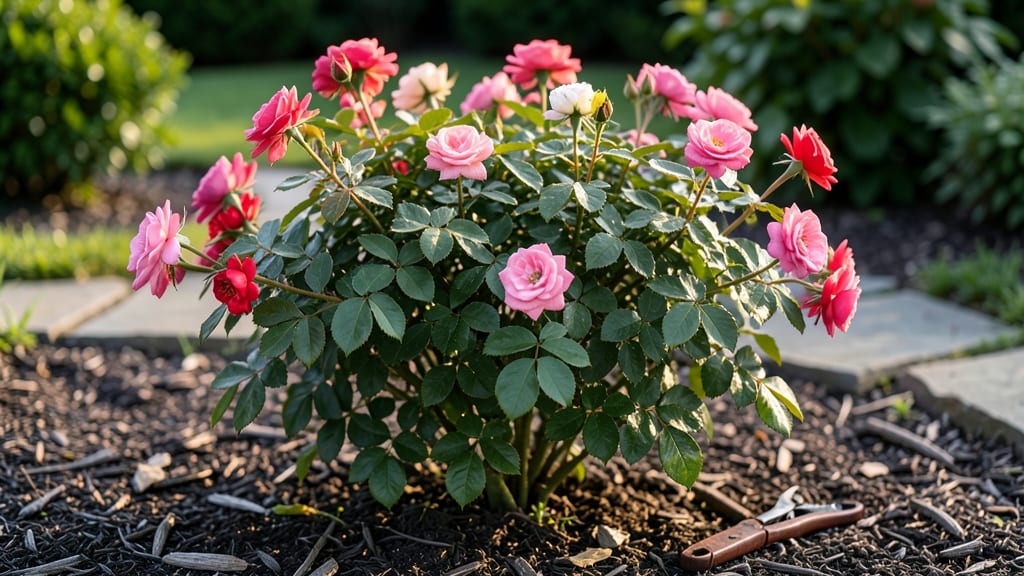
Knockout roses aren’t evergreen—but they almost are. 🌿 These tough shrubs keep their glossy leaves through winter in mild climates, but in colder zones, they shed foliage when temps drop below 10°F.
The real magic? They burst with fresh green growth by early spring, often before most roses even think about waking up.
Hardy to USDA zones 4-9, they handle snow and frost like champs, though heavy ice can damage branches. In zones 5-7, expect 50-70% winter leaf retention—enough to keep your garden looking lush when neighbors’ roses are bare.
The secret? Their semi-evergreen habit comes from hybrid vigor, not true evergreenness.
Prune lightly in late winter to shape them up—just snip out dead wood and shape the canopy. They bounce back fast, with new leaves appearing within weeks of warm weather. Mulch helps protect roots, and a light winter watering (if soil’s frozen) keeps them hydrated until spring.
For colder climates, wrap young plants in burlap or use high tunnels. Even in harsh winters, they’ll reward you with bold blooms by June—and that’s when the real show begins. No other rose stays this pretty through the off-season.
📚 In This Guide
- What you need
- Instructions
- Tips and common mistakes
- Wrapping up and next steps
What you need
- ● Knockout Rose Plants: 1–3 Knockout Rose shrubs (e.g., Rosa ‘Knock Out’ series—choose cold-hardy varieties like ‘Radiance’ or ‘Double Knock Out’ for zones 4–9).
- ● Evergreen varieties: Look for labels like “EverBloom” or “Cold Hardy” (e.g., Rosa ‘Knock Out Yellow’ or ‘Pink Knock Out’).
- ● Well-Draining Soil: 50–100 lbs of compost or aged manure (mix 2–3 inches into the top 12 inches of soil).
- ○ Optional: Sand or perlite (1–2 gallons) to improve drainage in heavy clay soil.
- ● Fertilizer: 10–20 lbs of balanced rose fertilizer (10-10-10 or 12-12-12 NPK ratio).
- ● OR Slow-release granules (e.g., Osmocote Smart-Release) for year-round feeding.
- ● Planting Tools: 1 shovel (for digging holes 12–18 inches wide/deep).
- ● 1 garden trowel (for amending soil and pruning).
- ● 1 wheelbarrow (for mixing soil amendments).
- ● Mulch: 3–4 cubic feet of organic mulch (e.g., shredded bark, pine straw, or wood chips).
- ● Watering Supplies: 1 hose with adjustable nozzle or drip irrigation kit (for deep watering).
- ○ Optional: Soaker hose (to reduce evaporation in cold climates).
- ● Pruning Tools: 1 pair of bypass pruners (for clean cuts).
- ● 1 loppers (for thicker stems).
- ● 1 disinfectant (e.g., rubbing alcohol or bleach solution) to sterilize tools.
- ● 1–2 burlap wraps or frost cloth (for young plants in zones 4–5 during extreme cold snaps).
- ● Windbreak: Temporary bamboo stakes or plastic tree guards to shield plants from harsh winds.
- ● Soil Insulation: Straw or leaves (6–8 inches thick) to protect roots in winter.
How to care for Knockout roses to maintain year-round foliage in cold climates
Here's how I keep my Knockout roses looking lush even when temperatures drop—no winter brownouts here.
🌿 Step 1: Choose the Right Variety for Your Climate Zone
Not all Knockout roses are created equal when it comes to winter hardiness. If you live in USDA zones 5-8, look for Knock Out® Rose 'Radrazz' or Knock Out® Rose 'Blaze', which are bred to handle colder winters better than the original variety. These specific types retain their foliage longer through winter's chill.
Here's the thing—even evergreen roses will eventually lose leaves in deep freezes, but these varieties recover faster in spring. I always check the label at the nursery. If it doesn't specify cold tolerance, ask the staff which ones they recommend for your zone. The difference in winter survival can be dramatic.
☀️ Step 2: Plant in the Perfect Sun and Soil Spot
Knockout roses need full sun—at least 6 hours daily—to maintain their vibrant foliage year-round. I plant mine where they get morning sun and afternoon shade if temperatures regularly exceed 90°F in summer. Too much intense afternoon sun can stress the plant, making it more susceptible to winter dieback.
The soil matters just as much. These roses thrive in well-draining, slightly acidic soil (pH 6.0-6.5). If your native soil is heavy clay, amend it with 2-3 inches of compost mixed into the top 12 inches of soil before planting. I also add a 5-gallon bucket of organic matter to the planting hole to give the roots a nutrient boost for winter resilience.
💧 Step 3: Water Deeply and Strategically Through Fall
Stop fertilizing 6-8 weeks before your first frost date—this signals the plant to harden off for winter. Instead, focus on deep watering. I water my Knockout roses once a week in fall, soaking the soil to 12 inches deep. You'll know it's right when the soil feels damp but not soggy at that depth.
This deep watering encourages roots to grow deeper, which helps the plant access moisture during winter thaws. Avoid wetting the foliage in late fall, as damp leaves can invite fungal diseases that weaken the plant before winter. I water at the base using a soaker hose, and I always do it in the morning so any excess moisture evaporates by nightfall.
✂️ Step 4: Prune for Winter Resilience (Not Just Spring)
Most gardeners prune roses in spring, but I do a light cleanup in late fall to remove any dead or diseased wood. This prevents pests and diseases from hiding in the plant over winter. Use clean, sharp pruners and cut back only the obviously dead branches—never more than 25% of the plant at this stage.
Here's the secret: Don't prune too late. Wait until after your first hard frost but before consistent freezing temperatures. I aim for mid-November in my zone. The goal is to let the plant enter dormancy with as much foliage as possible—those leaves provide some insulation against cold snaps. Just remove anything that looks sickly or damaged.
🪴 Step 5: Mulch Heavily to Protect Roots
Once the ground freezes, add a 3-4 inch layer of mulch around the base of the plant. I use straw or shredded bark because they break down slowly and provide long-term insulation. Avoid fresh wood chips—they can draw nitrogen from the soil as they decompose, weakening the plant.
Mulch acts like a blanket, keeping the soil 10-15°F warmer than ambient air temperatures. This helps the roots stay alive even when the air is frigid. I always pull the mulch back 6 inches from the stem to prevent rot. In spring, when the ground thaws, I add a top-dressing of compost over the old mulch to feed the plant as it wakes up.
Tips & tricks for year-round Knockout Rose foliage
Here's what I've learned after years of keeping my roses green through winter—these small details make all the difference.
Variety Matters: The cold-hardy varieties like 'Radrazz' and 'Blaze' are your best bet for zones 5-8, but don't assume all Knockout roses are created equal. I've seen 'Double Knock Out' varieties lose foliage in single-digit temperatures, while the cold-specific types stay green until spring. Always verify the label at purchase—it's the single most important decision for winter success.
Sunlight Strategy: Those 6 hours of daily sun are non-negotiable, but timing matters too. In hot summer zones, I move my roses to get morning sun and afternoon shade—this prevents heat stress that weakens plants for winter. If you can't relocate them, consider planting near a building that provides natural afternoon shade during peak summer months.
Fall Watering Wisdom: The once-weekly deep watering in fall is crucial, but timing is everything. I always water in the morning so any moisture on leaves evaporates before evening. This simple habit prevents fungal issues that can kill foliage before winter even arrives. Think of it as preparing your roses for their winter nap by keeping them healthy and disease-free.
Mulching Mastery: That 3-4 inch layer of straw or shredded bark isn't just for show—it's what keeps roots alive when temperatures drop below 15°F. I've seen dramatic differences in winter survival when I use the right mulch. Straw breaks down more slowly, while pine bark provides excellent insulation. Just remember to keep it 6 inches away from the stem to prevent rot—this is where many gardeners make the fatal mistake.
Pro Tips for Are Knockout Roses Evergreen
- Here's what I've learned after years of keeping my roses green through winter—these small details make all the difference.
- Variety Matters: The cold-hardy varieties like 'Radrazz' and 'Blaze' are your best bet for zones 5-8, but don't assume all Knockout roses are created equal.
- Sunlight Strategy: Those 6 hours of daily sun are non-negotiable, but timing matters too.
Frequently asked questions
Got questions about keeping your Knockout Roses lush all year? You’re not alone!
Here are answers to the most common queries about evergreen roses in cold climates—so you can enjoy their beauty without the winter blues.
Are Knockout Roses truly evergreen in cold climates?
Not quite! While Knockout Roses (Rosa ‘Knock Out’ and hybrids) retain some foliage in mild winters, they’re semi-evergreen in cold zones (USDA 5-8). Expect heavy leaf drop in freezing temps (below 10°F/-12°C), but they regrow quickly in spring. For truly evergreen roses, consider ‘Dr. Huey’ or ‘Belinda’s Dream’—they handle cold better.
How cold can Knockout Roses tolerate before leaves die back?
Knockout Roses thrive in USDA Zones 5-9 but may lose leaves when temps dip below 10°F (-12°C). In Zone 5, mulch heavily (3–4 inches of shredded bark) and wrap young plants in burlap for extra protection. Pro tip: Prune back dead foliage in early spring—new growth will mask any winter damage!
Can I force Knockout Roses to stay evergreen year-round?
While you can’t make them fully evergreen, you can extend their green look with these tricks:
- Mulch: Use straw or pine needles (not leaves) to insulate roots.
- Windbreaks: Plant near fences or walls to shield from drying winter winds.
- Winter watering: Lightly water in drought-free winters to prevent desiccation.
Do Knockout Roses bloom less if they lose leaves in winter?
Not at all! These roses are heavy bloomers regardless of winter leaf loss. Their energy comes from roots, not foliage. In fact, pruning off dead leaves in spring boosts airflow and flower production. Just avoid heavy pruning in late fall—it stresses the plant before dormancy.
What’s the best alternative for evergreen roses in Zone 4 or colder?
If your winters are brutal (below 0°F/-18°C), try these cold-hardy evergreen shrubs:
Plant
Zone Hardiness
Bonus Perks
‘Dr. Huey’ Rose
Zone 4
Thornless, disease-resistant, and truly evergreen in mild winters.
Dwarf Lilac (e.g., ‘Miss Kim’)
Zone 4
Fragrant blooms + glossy foliage; thrives in shade.
Inkberry Holly
Zone 5
Dark leaves, berries for birds, and no deer nibbling!
Wrapping up and next steps
So, are Knockout roses evergreen? While they won’t stay green year-round in colder climates, their near-evergreen nature and stunning blooms make them a low-maintenance superstar for gardeners.
With the right care—like proper pruning, mulching, and winter prep—you can enjoy their vibrant foliage and flowers for most of the year. 🌿✨
Ready to transform your garden? Start by choosing the right variety for your zone, then give these resilient beauties the love they deserve. Your year-round color show awaits!